
Euro Summer 2027:
Where We're Looking Now
The new places, new hotels and cooler corners of Europe we're already thinking about for next summer.
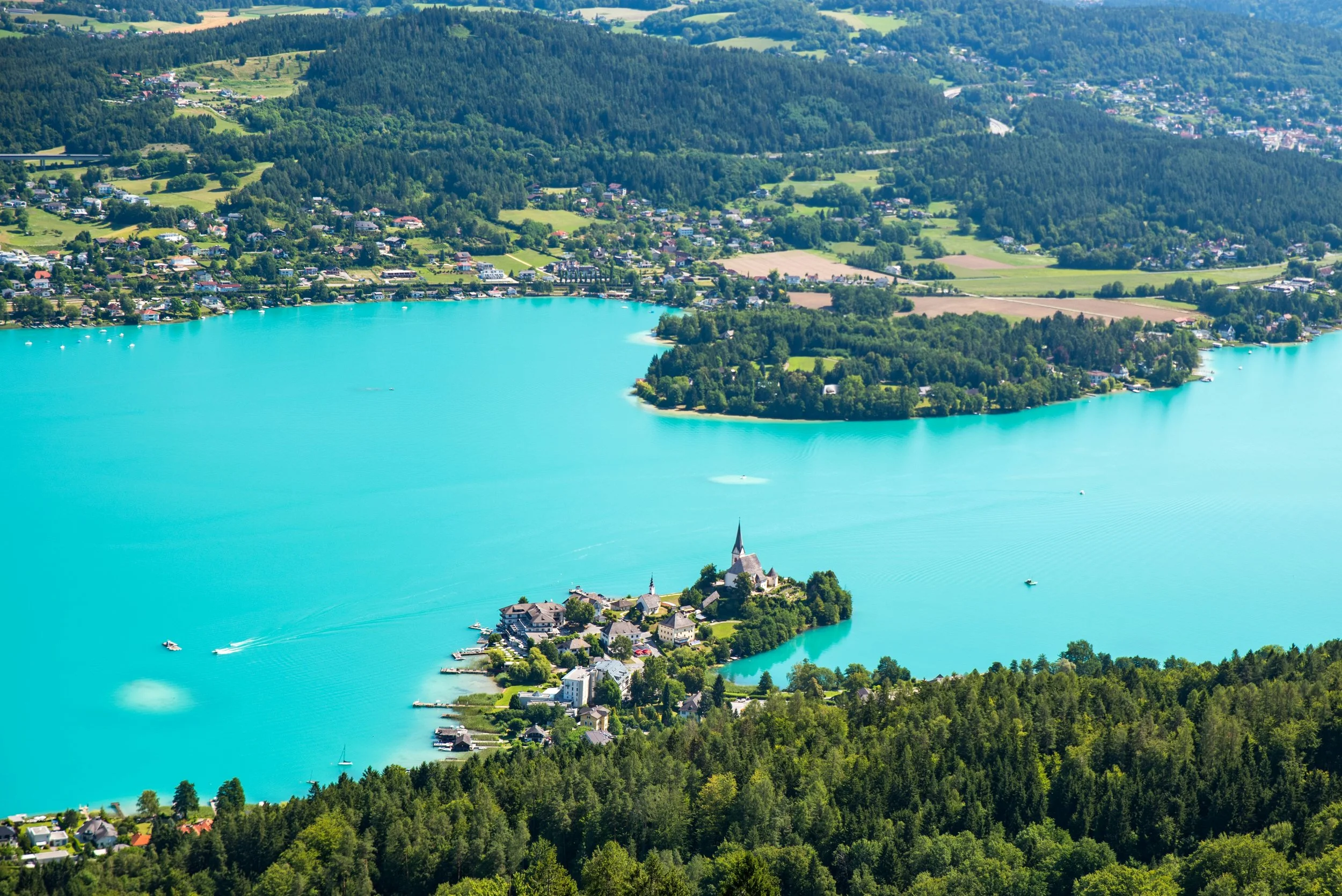
Europe in summer is no secret. But the way we travel through it is beginning to shift. The Mediterranean isn't going anywhere, and nor would we want it to. But as summers grow hotter and the most familiar stretches of coast grow busier, we find ourselves looking further north and inland: towards places where days can be spent outdoors without quite so much heat, where cities empty into lakes and mountains, and where a new generation of hotels is giving travellers fresh reasons to go. Here are the places already on our radar for summer 2027.
Published 6th October, 2026
Stockholm & Gotland
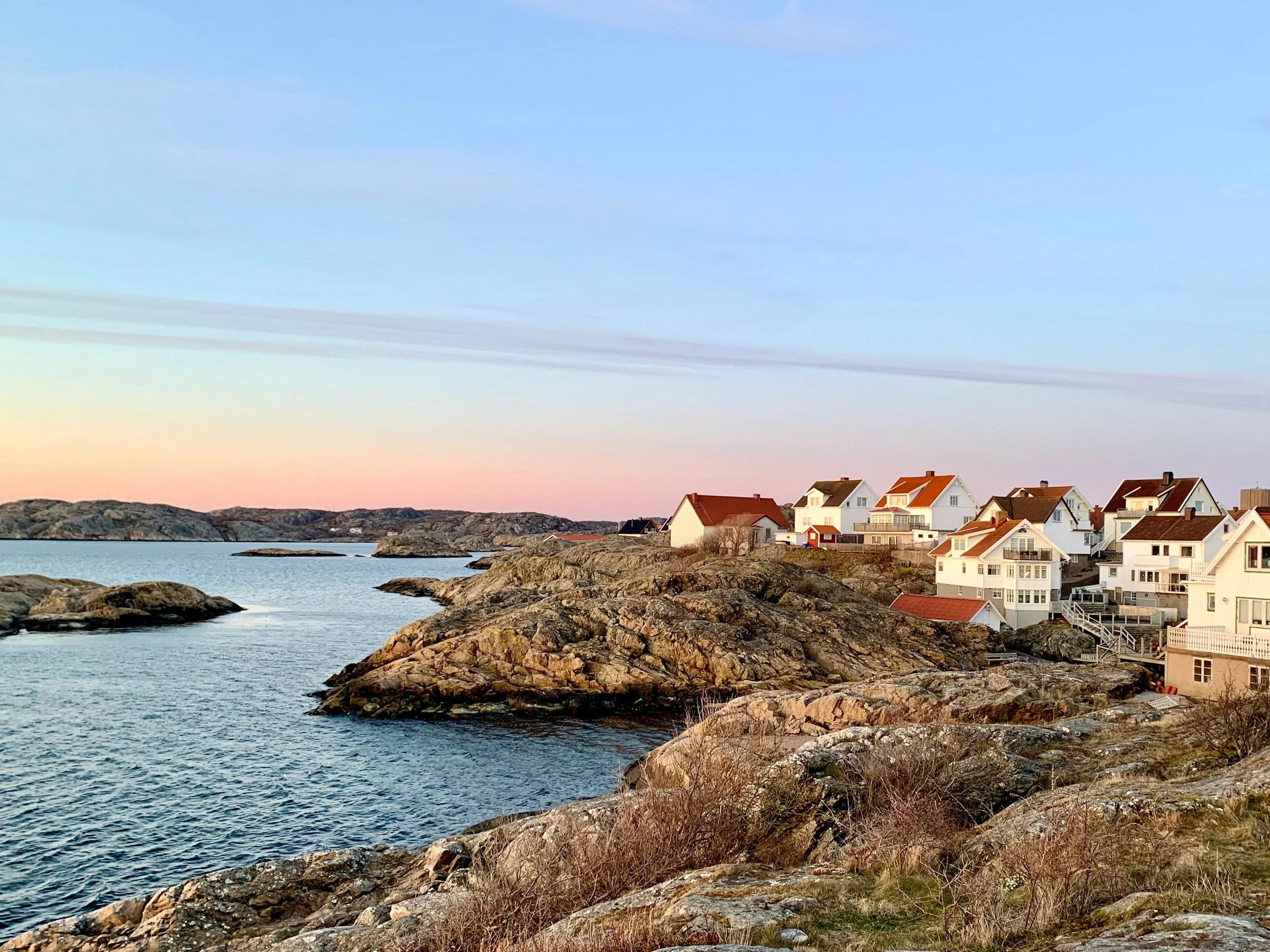
In July, when much of southern Europe is at its hottest, Stockholm offers long, luminous days, water at every turn and an easy shift between city and archipelago.
Take a private boat out past Vaxholm and the city gives way to granite islands, red-painted summer houses and smooth rocks to swim from. Lunch might be shrimp and whatever came off the boats that morning; dinner can run late, because the light barely seems to fade. Time a visit for Midsummer Eve, which falls on Friday 25 June in 2027, and you'll find the country at its most festive: maypoles, flower crowns, pickled herring and the first strawberries of the season.
Then continue to Gotland, Sweden's largest island and a 40-minute flight from the capital, where the landscape turns rural. At its southern tip, Sibbjäns is a 19th-century farmstead that opened as a 22-room hotel in 2025. Its own regenerative farm supplies much of the kitchen, the rooms are furnished with vintage Scandinavian designers, and the pool looks out over open fields.
This is Swedish summer at its most appealing: understated, outdoorsy and wonderfully unhurried.
Burgundy
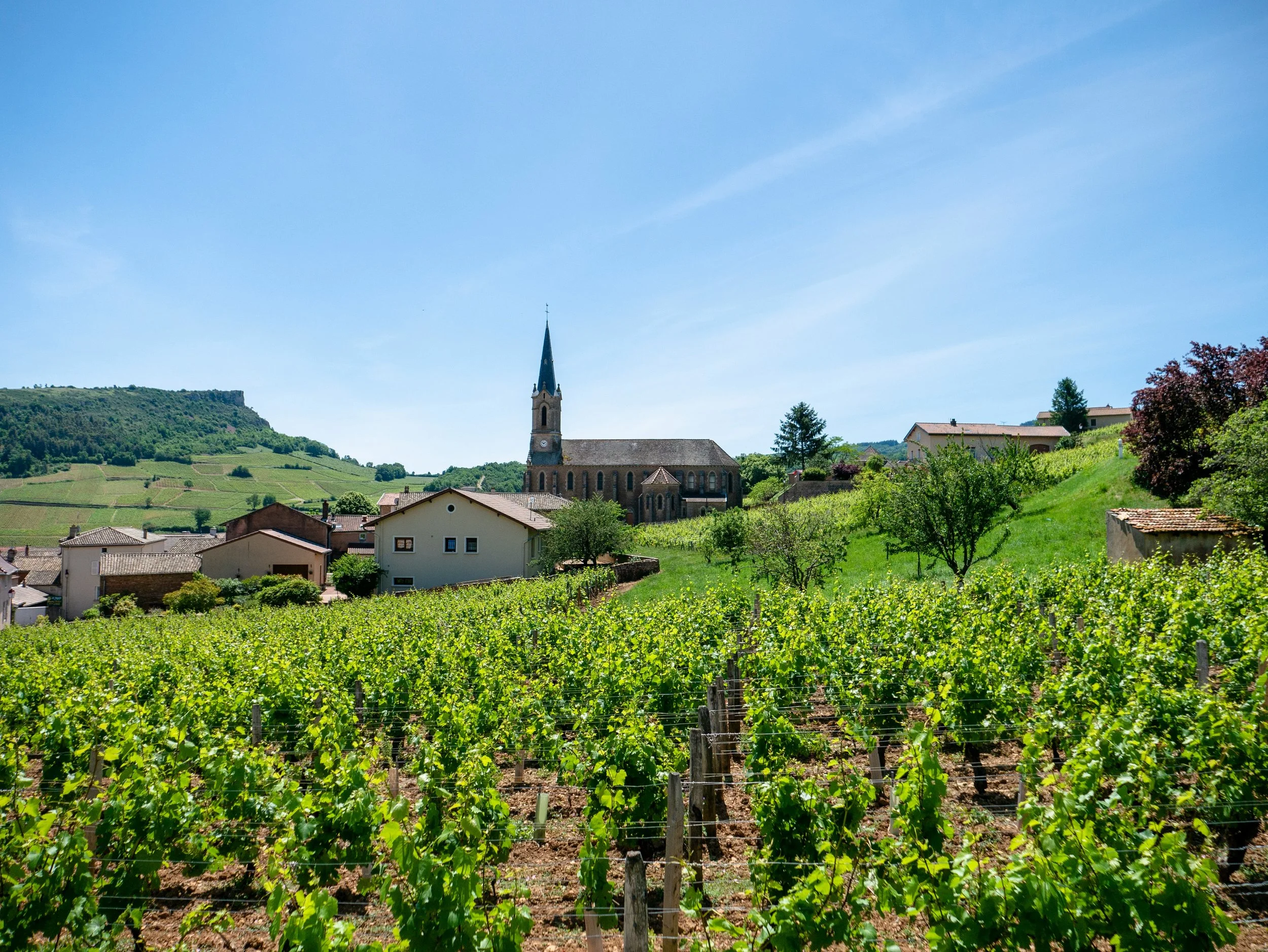
Burgundy has never lacked reasons to visit. What it has lacked, until recently, is a choice of places to stay that match the seriousness of the wine. That is changing fast.
COMO Le Montrachet arrived in 2023 with 30 rooms on the village square of Puligny-Montrachet. Since then, a new generation of hotels has begun to fill the gaps between Burgundy's vineyards and cellars.
Château la Commaraine opened in Pommard in spring 2026, bringing 37 rooms to a historic estate surrounded by its own Premier Cru vineyard. In Meursault, Fontenille's Château de Cîteaux opened in summer 2026 above 12th-century Cistercian cellars, with 18 rooms now and more to follow in early 2027. And in the Côte de Nuits, Les Sources de Vougeot has transformed a former priory a few minutes from Clos de Vougeot, with a Caudalie spa set in the monks' old vaulted wine cellar.
For the serious wine traveller, this changes the equation. Burgundy can now be a destination in its own right rather than a stop between Paris and somewhere else.
It also lends itself to a wine-led journey through France, following two hotel families along the way. Begin at Royal Champagne Hotel & Spa above the vineyards of Épernay, then continue south to its sister property, Château la Commaraine. Move up the road to Les Sources de Vougeot, and finish in Bordeaux at Les Sources de Caudalie, where the Tourbier family began their collection in 1999 among the vines of Château Smith Haut Lafitte.
Germany
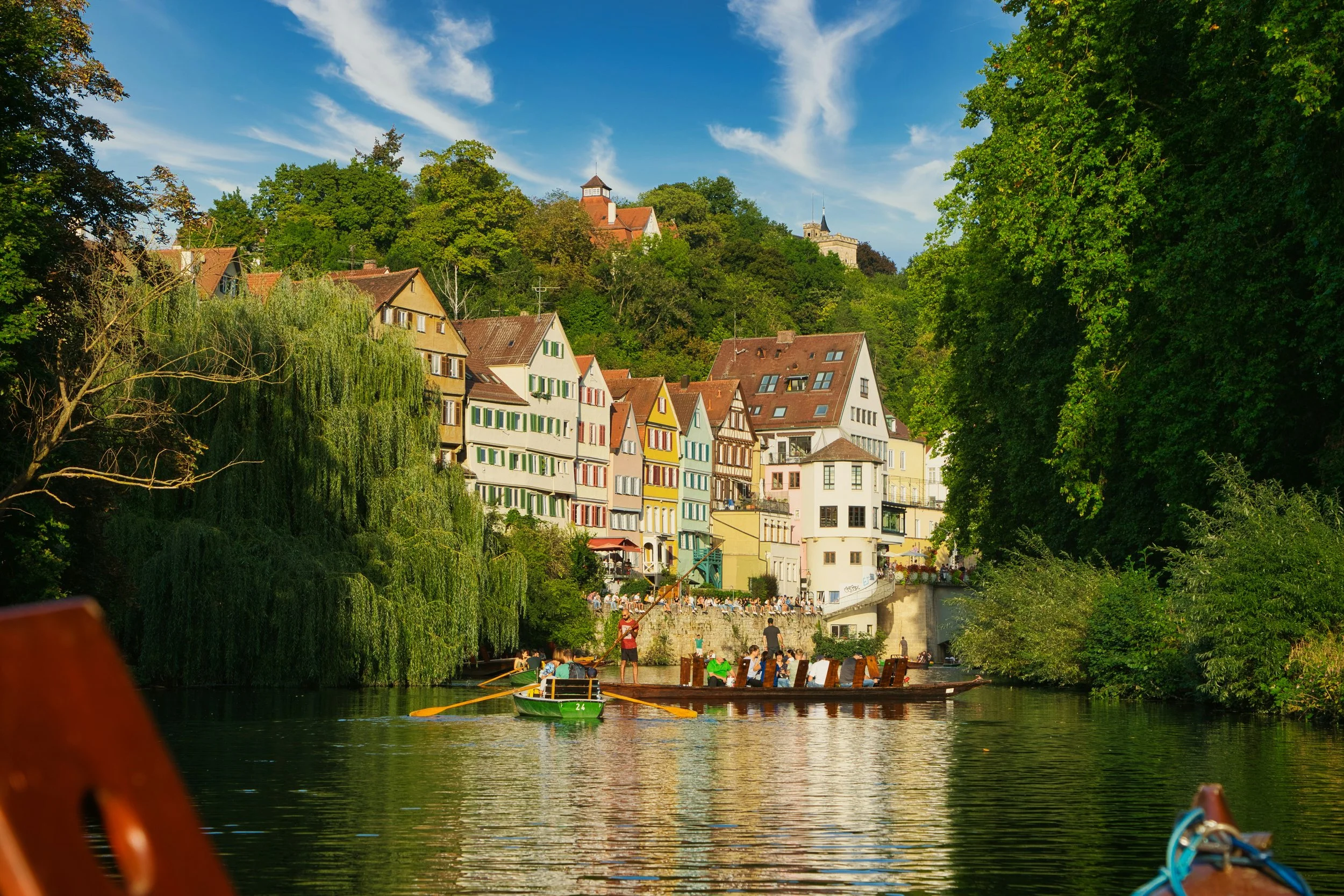
Germany makes a compelling summer proposition because the cities are lively without being overwhelming, the countryside is made for long lunches and walking, and the landscape shifts from vineyards and river valleys to dark forest and Alpine peaks.
Start in Berlin, where history is worn openly and summer evenings spill out along the Spree. Munich is for beer gardens and swimming in the Isar; Hamburg is a very different kind of waterside city, with The Fontenay overlooking the Alster.
Then head into the landscape. The Black Forest is walking country, with Brenners Park-Hotel in Baden-Baden as a polished base. Along the Rhine Gorge, castles rise above vineyards at almost every bend. In Bavaria, the Alps bring mountain trails, lakes and Neuschwanstein, the fairytale castle everyone pictures.
Our particular reason to go further south is Schloss Elmau, set in a quiet valley beneath the Wetterstein mountains. For more than a century, its cultural programme of concerts, readings and talks has been part of life here, now running to more than 200 concerts a year, and admission is included for hotel guests that reserve in advance.
Austria & Budapest
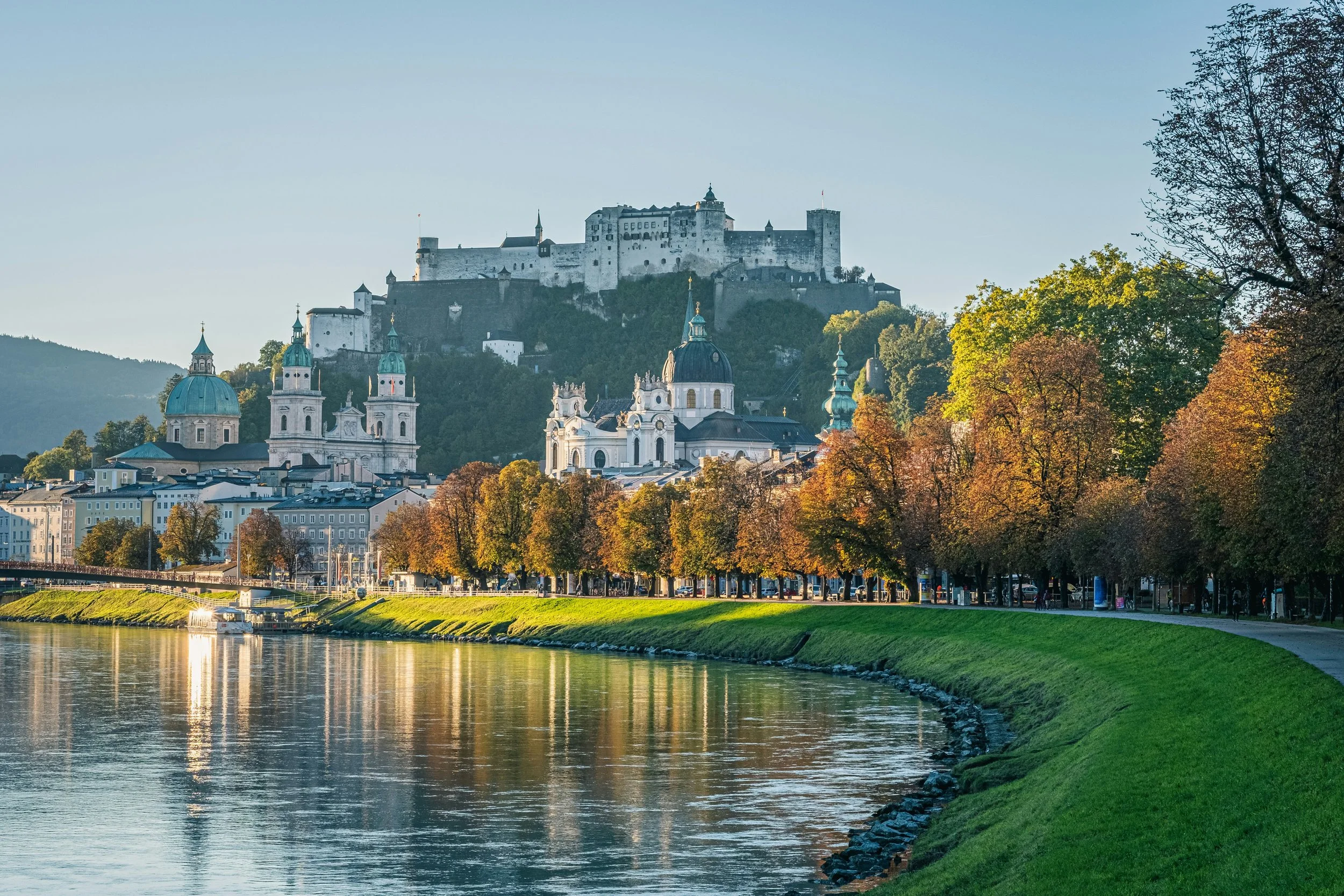
Summer in Central Europe is increasingly about culture, wine, water and the pleasure of being outdoors.
The Salzburg Festival brings opera, theatre and concerts to the city from late July into August, while at the far western end of the country, in Bregenz, opera is performed on a vast floating stage on Lake Constance. Vienna slows down in summer. Evenings drift out to the Heurigen, the wine taverns in the vineyards on the city's edge, while the Danube and its surrounding parks give the capital breathing room.
From here, follow the river west into the Wachau, where terraces of Grüner Veltliner and Riesling climb above medieval villages. Then continue into the Salzkammergut for clear Alpine lakes and mountain scenery, before heading on into Tyrol.
And don't overlook Budapest. It makes a wonderful final chapter, particularly when combined with Austria by rail or river. Spend a few days between grand cafés and thermal baths, with evenings beside the water, then continue into Hungary's wine country if time allows. Tokaj, home of the sweet Aszú wines, offers a very different kind of tasting, while Lake Balaton brings swimming, vineyards and an easier lakeside pace.
Greece
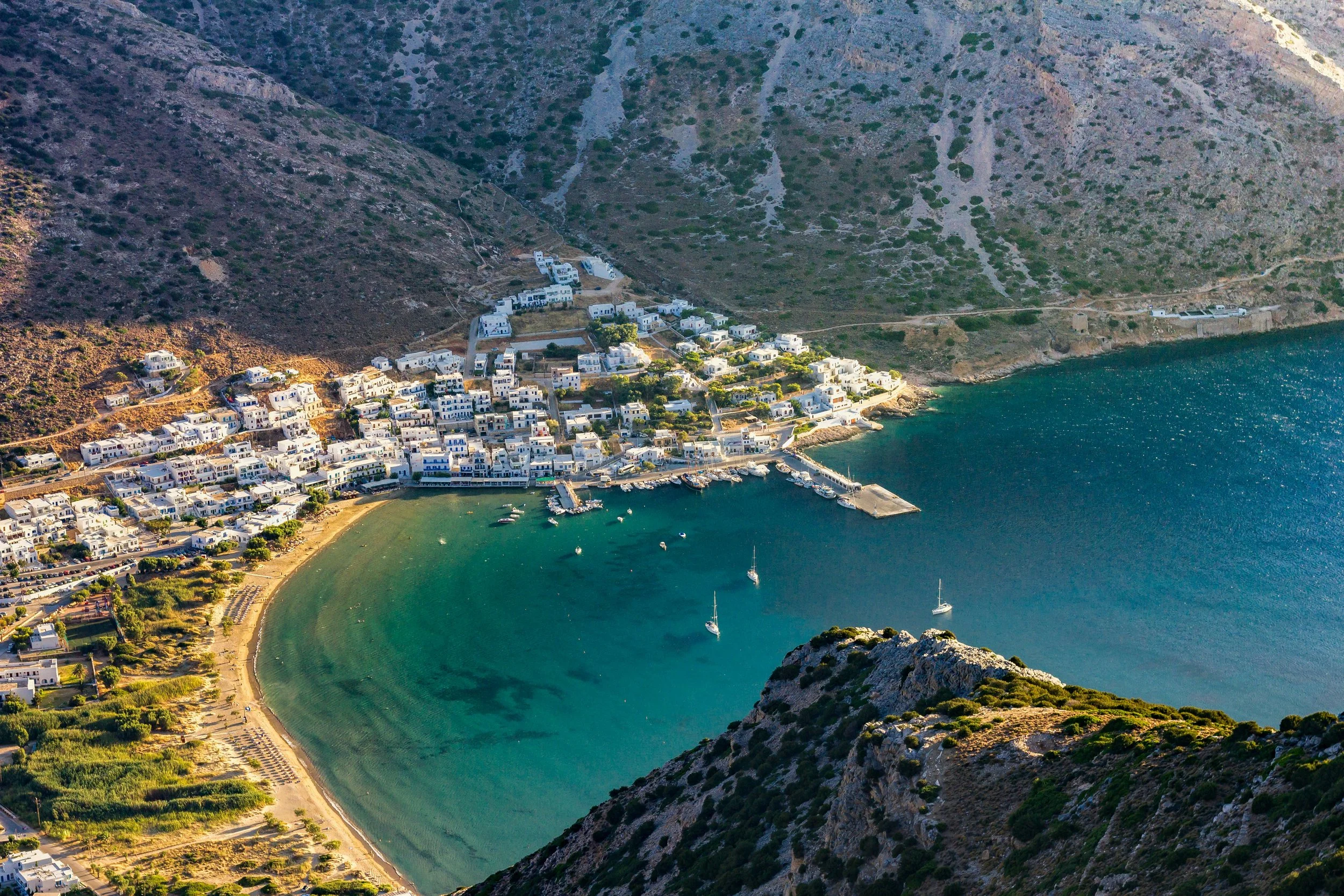
None of this means we're turning our backs on the Mediterranean. We're simply looking beyond the usual names.
Paros remains one of the most compelling places to start. Naoussa comes alive after dark, but beyond the harbour there is still plenty of space to disappear into. Its position also makes it a natural base for island hopping, with Antiparos minutes away by boat and easy onward connections to Naxos, Sifnos and the smaller Cycladic islands.
Naxos offers something different: farming, food and a strong local identity. Its graviera cheese, its potatoes and kitron, a liqueur made from citron leaves, are all part of the island's character, and it remains one of the places where we'd encourage spending time away from the beach.
Then there is Sifnos, quieter and deeply rooted in food. The island was home to Nikolaos Tselementes, whose cookbook helped shape modern Greek home cooking, and its kitchens still revolve around dishes cooked slowly in clay pots, such as revithada, chickpeas baked overnight in a wood-fired oven. Each September the island holds a food festival in his name.
The aim isn't to replace the Greek summer. It's to look at it differently: to go a little further, stay a little longer and consider islands you may not yet know. For more on the Greek islands, see our full guide.