
Wild Herz Travel’s
Greek Island Guide
Kate Herz, 23rd July 2026
Greece done well requires knowledge and planning. Of its roughly 6,000 islands, fewer than 230 are permanently inhabited, and they span an extraordinary range of character: volcanic spectacle, Venetian harbour towns, marble-carved hilltop villages, pilgrim paths, beach clubs, and anchorages where fishing boats still outnumber superyachts.
The challenge for any discerning traveller is not finding beauty but finding the right pace of life and experiences. This guide covers twelve islands that between them represent the breadth of what Greece does at its finest: the iconic, the emerging, the almost secret. Whether you want Cycladic drama above a caldera, the rarefied quiet of a car-free harbour, or a food culture serious enough to draw Athenians away from the capital for a long weekend, Greece has it.
Santorini
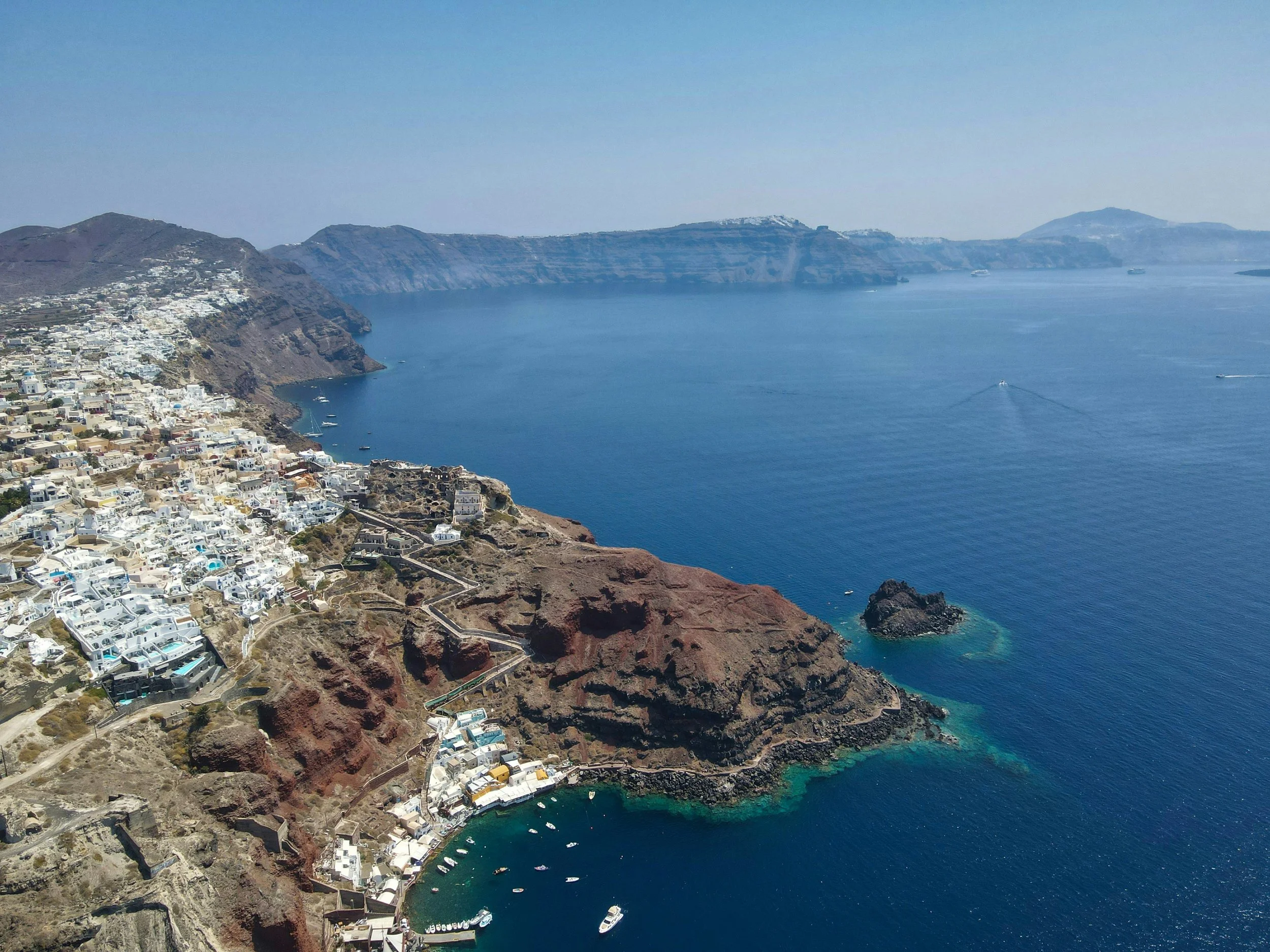
No photograph does it justice. Santorini's caldera, formed by one of the largest volcanic eruptions in recorded history, drops vertiginously into the sea, its rim strung with whitewashed villages that appear to defy gravity. Oia attracts most of the visitors; Fira and the quieter village of Imerovigli offer equally staggering views with considerably less footfall. Beyond the spectacle, the island has genuine depth: its volcanic soil produces some of Greece's most distinctive wines, particularly the mineral-driven Assyrtiko whites grown from ancient, ungrafted vines trained in low basket form to survive the Meltemi winds. The Minoan site at Akrotiri, a Bronze Age city preserved under ash is chronically undervisited relative to the caldera. The black-sand beaches of Perissa and Kamari and the russet sands near Akrotiri are worth working in around the crowds. Santorini is busy. It has also earned every word of its reputation.
Highlights: Oia, Imerovigli, Akrotiri archaeological site, Assyrtiko wine producers, black-sand beaches
Where to stay: Canaves Oia Suites; Andronis Arcadia
Mykonos
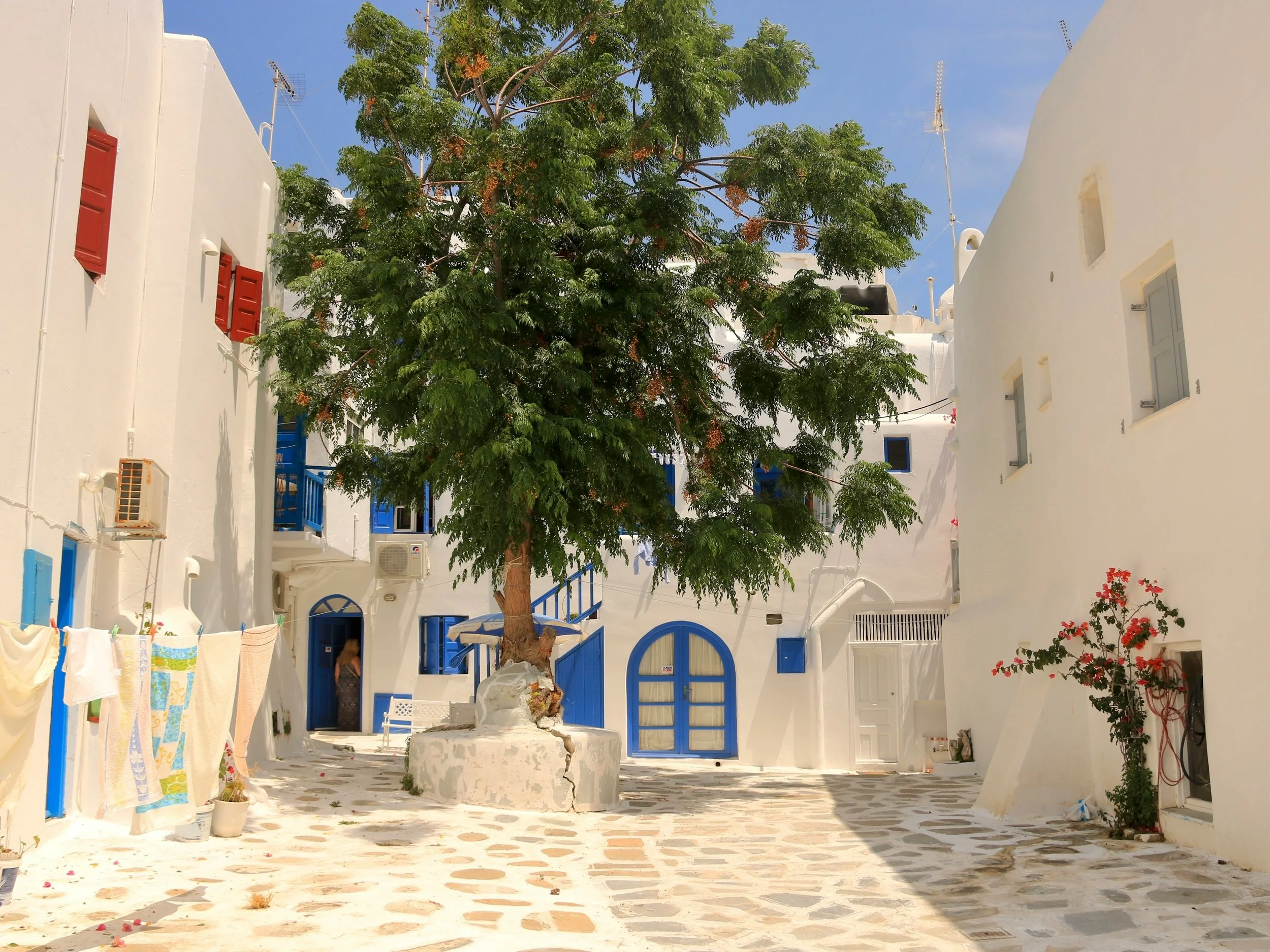
Mykonos' reputation for excess is deserved but one-dimensional. The old town, known as Chora, is genuinely beautiful: a labyrinth of whitewashed lanes built deliberately to confuse pirates, opening onto Little Venice, where centuries-old houses hang directly above the sea. The island has some of the finest dining in the Cyclades, from high-end restaurants to neighbourhood tavernas that have been serving fishermen and Athenian weekenders for decades. The beach clubs are exactly what you’d want them to be - should that be the vibe; the beaches themselves are excellent, and chartering a boat to quieter coves is time well spent. The most compelling argument for Mykonos, though, is Delos: a 20-minute ferry from the harbour, this uninhabited island was the most sacred site in the ancient Greek world and one of Greeces most significant archaeological sites.
Highlights: Delos, Chora (old town), Little Venice, yacht charter to secluded bays
Where to stay: Kalesma; Bill & Coo
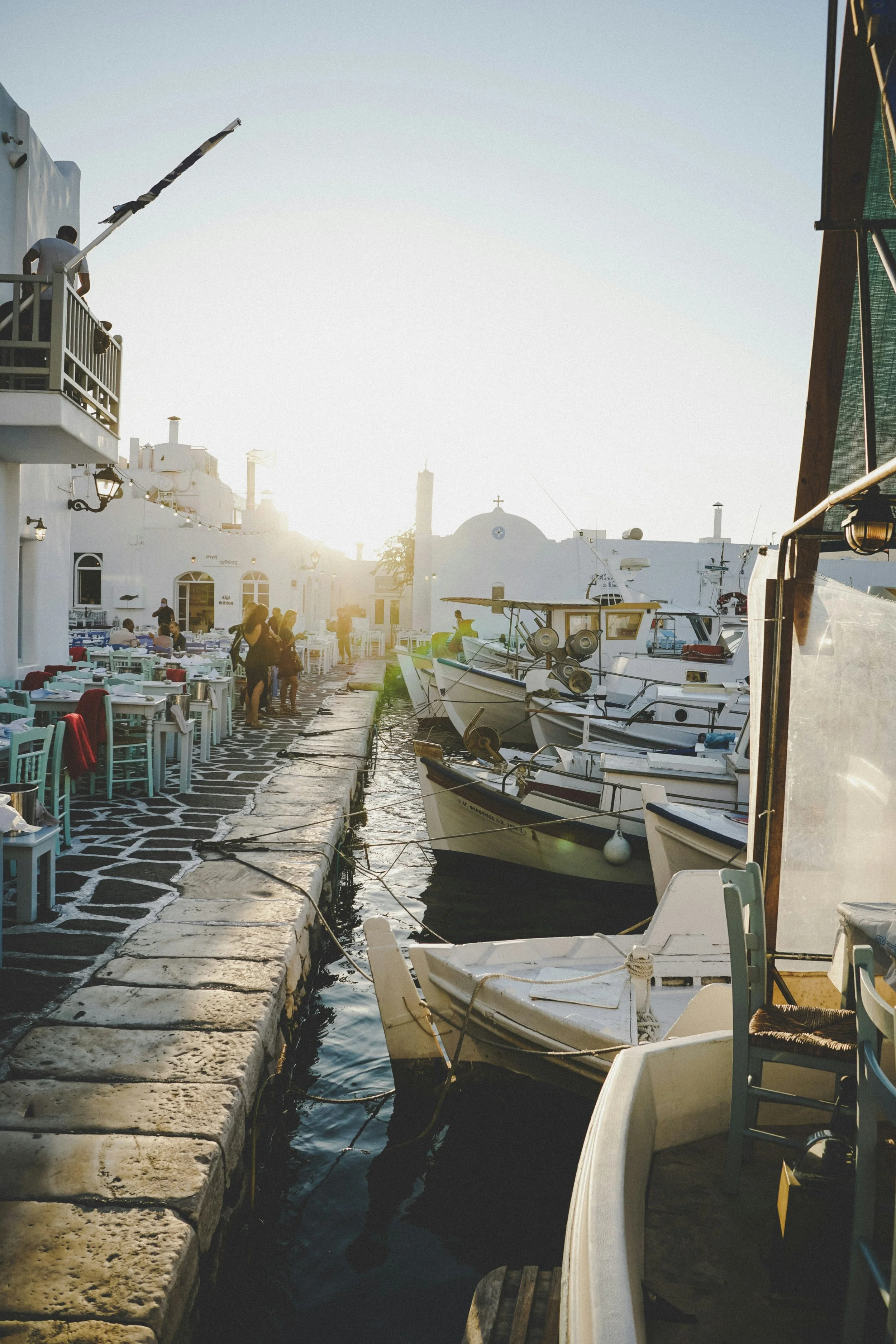
Paros
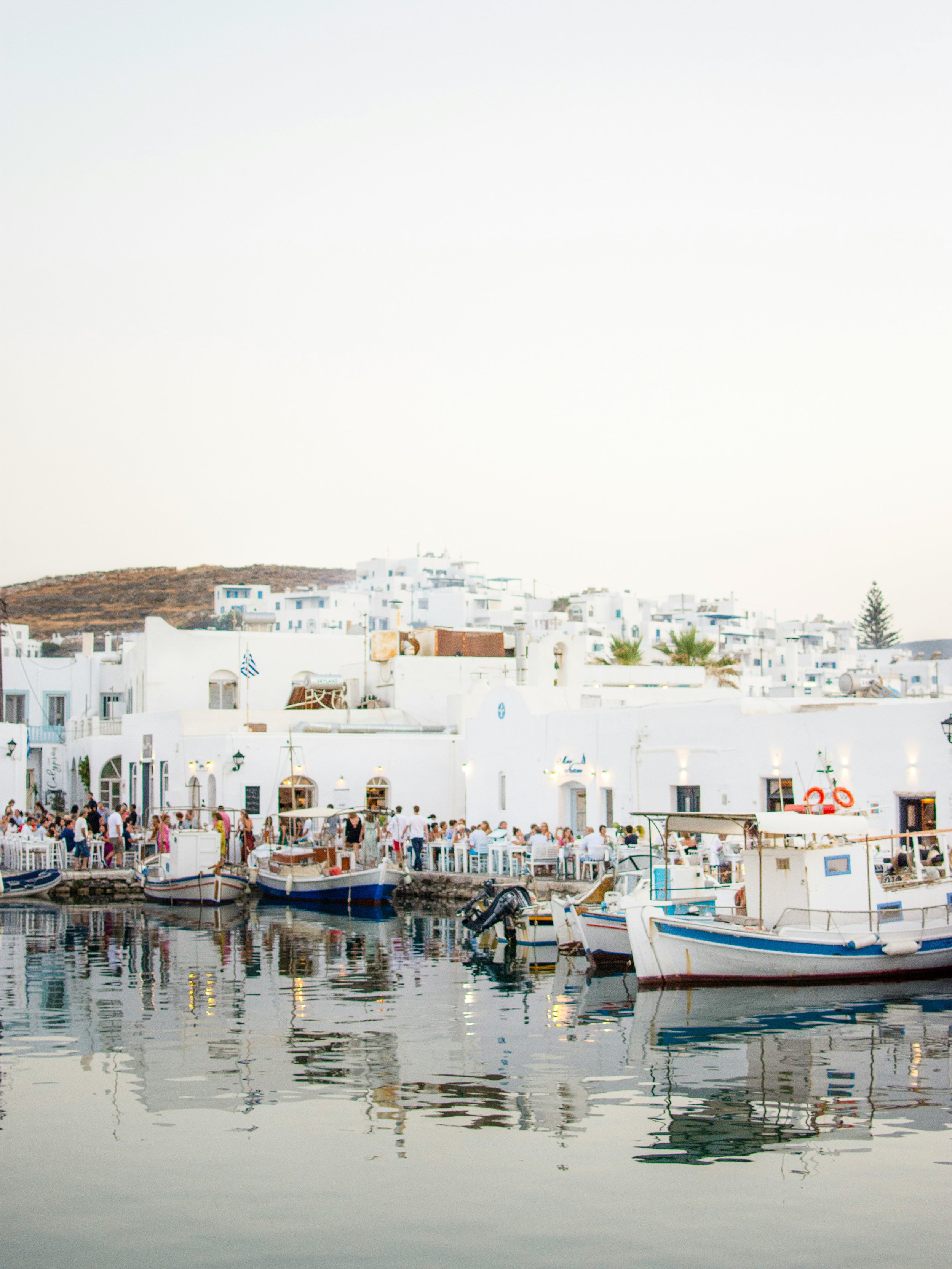
Paros, a mid-sized Cycladic island, with a genuinely charming harbour town in Naoussa, excellent beaches, and a position at the heart of the island group that makes it a natural base for exploring further afield.
Naoussa, the island's most characterful town, has evolved from fishing village to a hub of good restaurants, independent boutiques and low-key nightlife without losing its whitewashed composure. The seafood around the harbour is among the best in the Cyclades. Paros is also a natural base for island hopping: Antiparos, a short ferry away, is quieter still and worth a night or two. The Byzantine trail, a 10km stone-paved route through the interior, passes churches, dovecotes and villages that tourism has largely ignored. For active travellers, the conditions around Santa Maria and Golden Beach are world-class for windsurfing and kitesurfing. The pace here is currently calmer than its neighbours - although this is changing.
Highlights: Naoussa, Byzantine trail, Antiparos, Golden Beach (windsurfing/kitesurfing), Lefkes village
Where to stay: Parilio; Cosme; Parocks
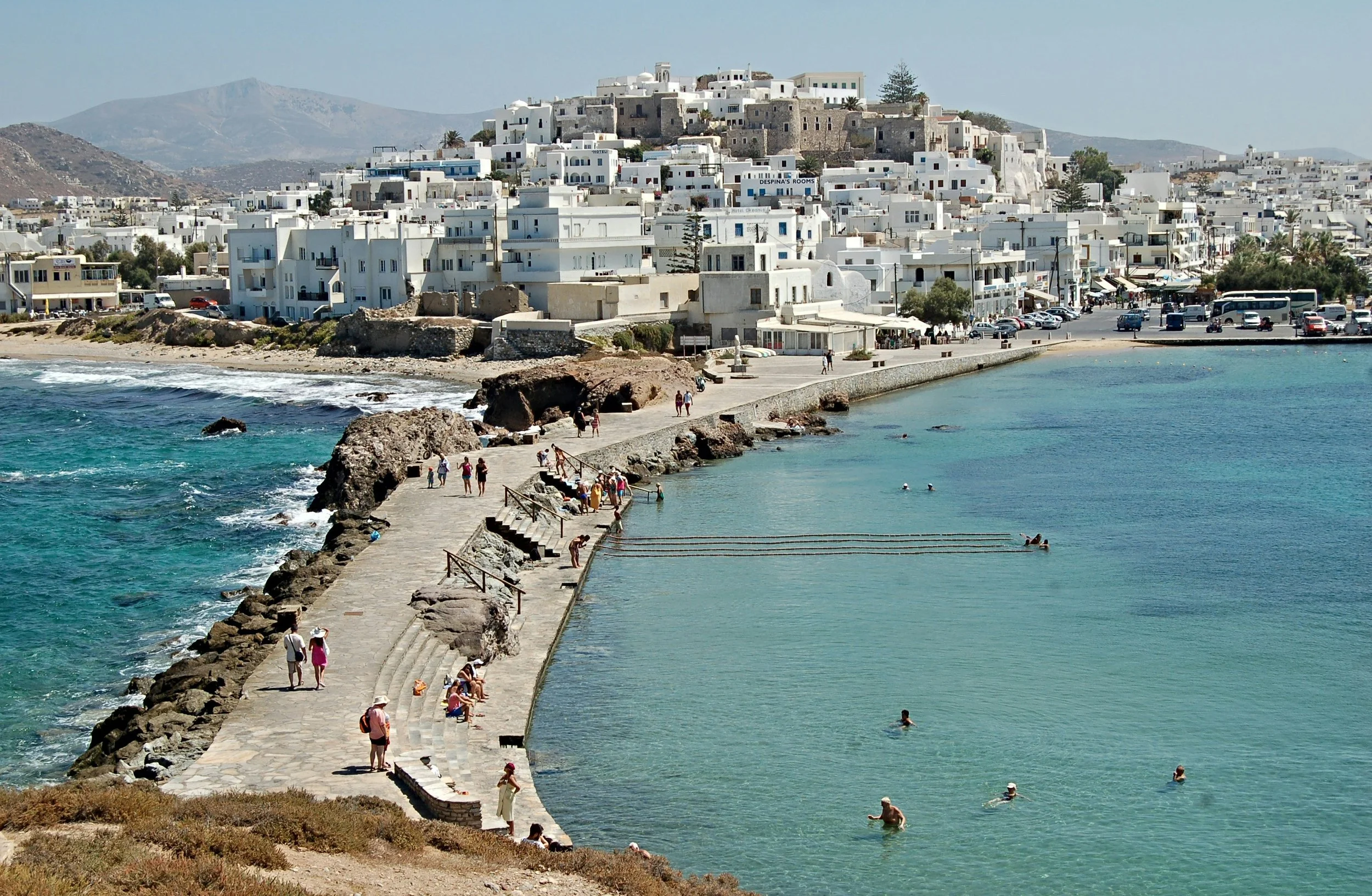
Naxos
Naxos is the largest island in the Cyclades and the most varied: its interior rises to over 1,000 metres, laced with mountain villages, Byzantine churches and marble quarries, while the western coast unspools into some of the longest and least crowded sandy beaches in the islands. The local food culture is one of the strongest arguments for going: Naxian potatoes are famous across Greece, the local cheeses are exceptional, and the island produces kitron, a liqueur distilled from citron leaves found nowhere else in the world.
Chora is more substantial than most Cycladic capitals and its half-ruined Venetian kastro district is enjoyable for an unhurried morning of wandering: the ancient marble gateway known as the Portara stands at the end of a causeway above the port, framing the Aegean at sunset in a way that is worth planning the day around. Up in the mountainous interior, the village of Apeiranthos is built almost entirely of marble and is home to several small but serious museums, including one dedicated to natural history and another to local Cycladic art - a reminder that this is an island with genuine intellectual life beyond the beach.
Highlights: The Portara, Venetian kastro in Chora, Apeiranthos village, Plaka and Agios Prokopios beaches, kitron distillery visits
Where to stay: Naxian Collection; Naxian on the Beach
Crete
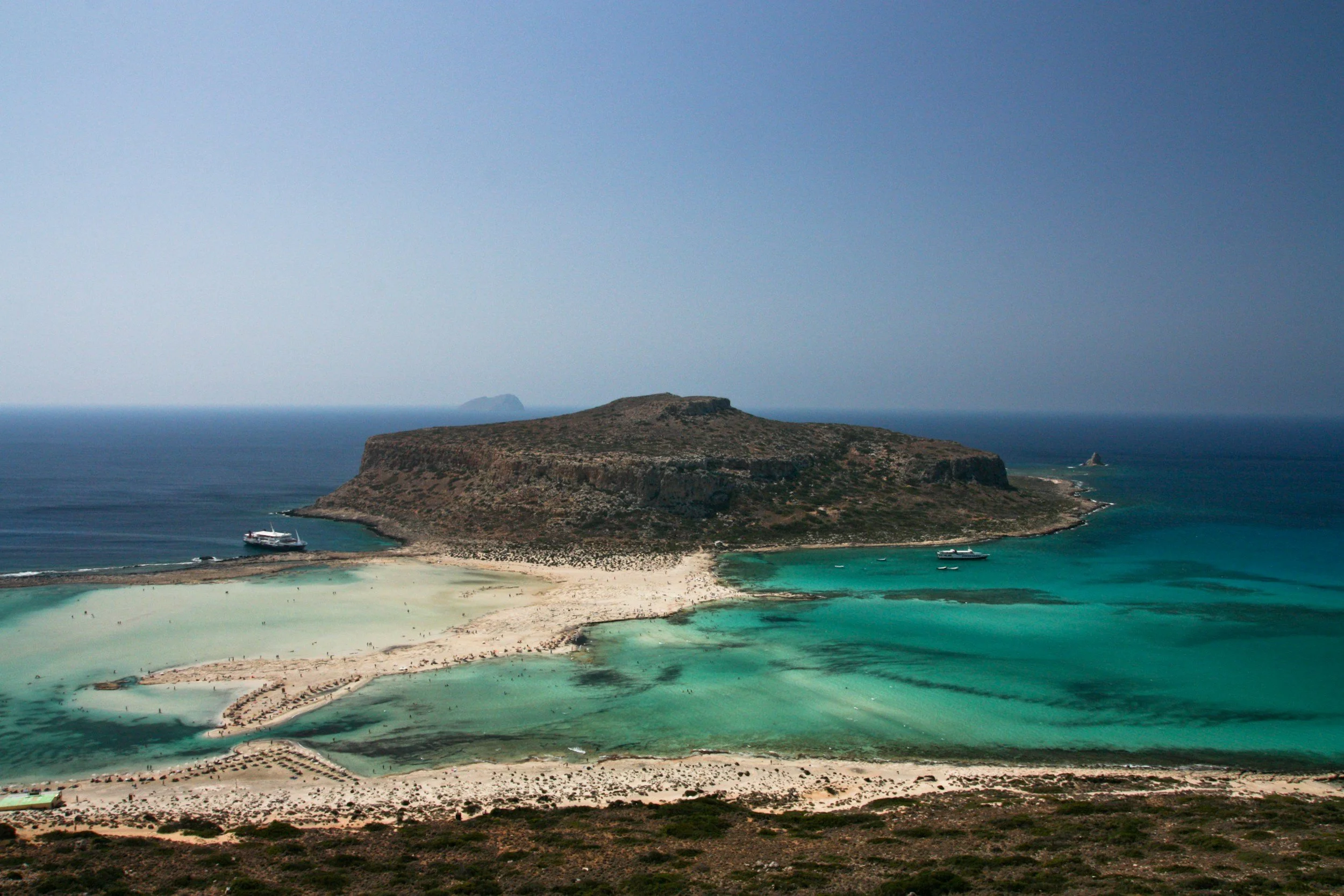
Crete is Greece's largest island. In the west, Chania is one of the most beautiful harbour towns in the country: its Venetian architecture, Ottoman lighthouse, covered market and backstreet restaurants warrant several days alone. The Samaria Gorge, 16 kilometres of walking through Europe's longest canyon, requires planning and rewards the effort. In the east, the Elounda peninsula hosts some of the most polished resort hotels on the island. Spinalonga, a former Venetian fortress and leper colony reached by boat, is quietly extraordinary. Knossos, outside Heraklion, is the most significant Minoan site in the world. Balos lagoon, only reachable by boat or a rough road, looks digitally enhanced. Stay in the west first, then move east: Crete is large enough that the two halves feel like different islands. For wine and food, the island is increasingly impressive.
Highlights: Chania old town, Samaria Gorge, Knossos, Spinalonga, Balos lagoon, Cretan wine estates and olive groves
Where to stay: Kapsaliana Village Hotel; Domes Noruz Chania (adults only); Phaea Blue; Elounda Peninsula; Cayo Exclusive Resort & Spa
Milos
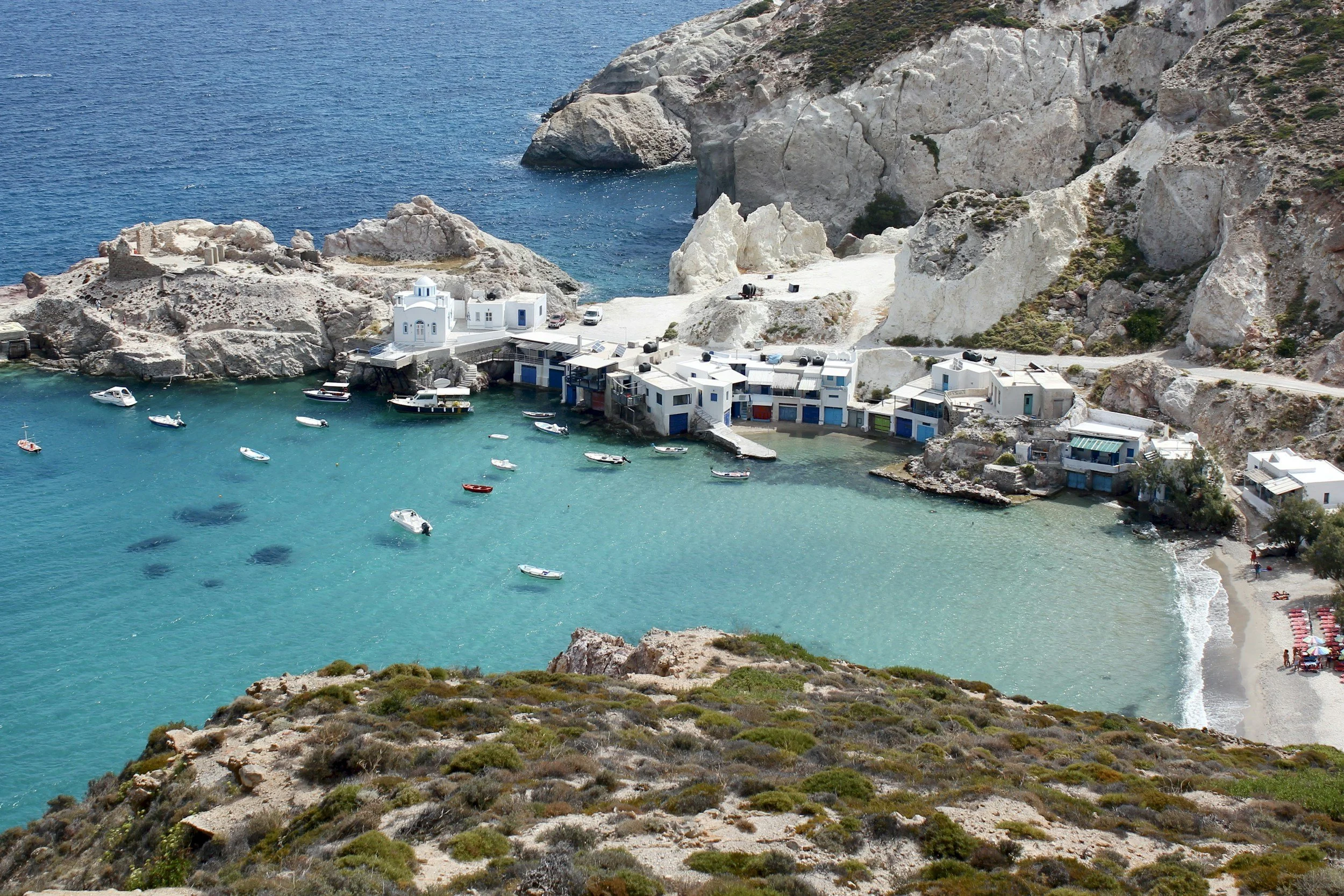
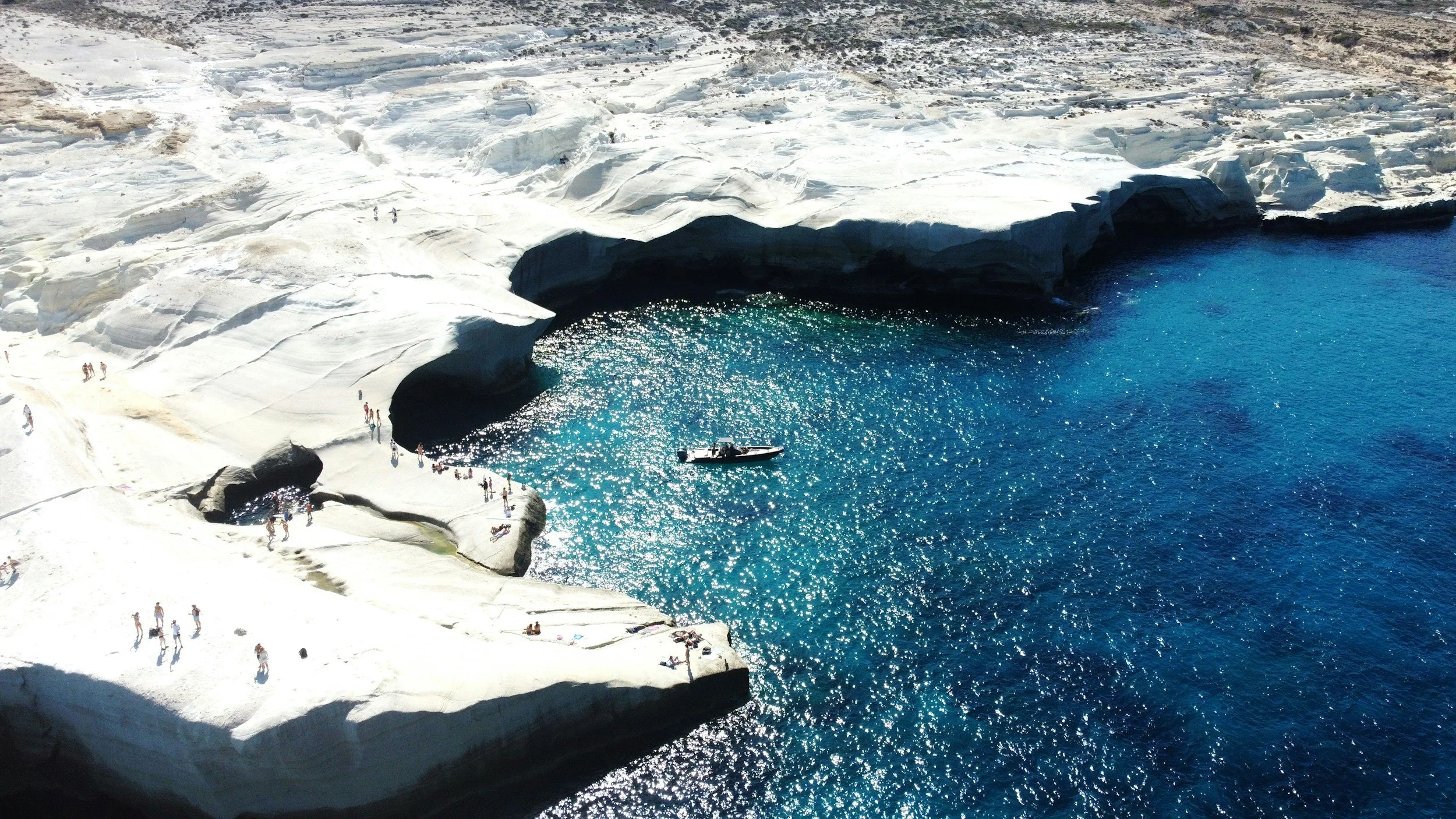
The Cyclades have no shortage of beautiful islands, but Milos offers something genuinely different. Its coastline, the product of intense volcanic activity, is a succession of extraordinary formations: sea caves, multicoloured cliffs, rock arches and beaches that bear no resemblance to anywhere else in Greece. Sarakiniko, the lunar-white pumice beach in the north, is startling and strange. Kleftiko, a complex of sea caves and sea stacks in the southwest, is best seen by boat and should not be missed. Beyond the coastline, Plaka, the hilltop capital, is atmospheric and largely crowd-free. The early Christian catacombs near Tripiti are among the oldest in the world and chronically undervisited. The fishing village of Klima, with its weathered, brightly coloured boathouses built directly into the sea, is quietly wonderful. A boat day on Milos is not optional. The coastline is the island, and most of what makes it extraordinary, including Kleftiko's sea caves and the more remote northern coves, is only reachable from the water.
Highlights: Sarakiniko, Kleftiko (by boat), Klima fishing village, Plaka, Milos catacombs
Where to stay: Milos Breeze; Milos Cove; White Pebble Suites; The Melian
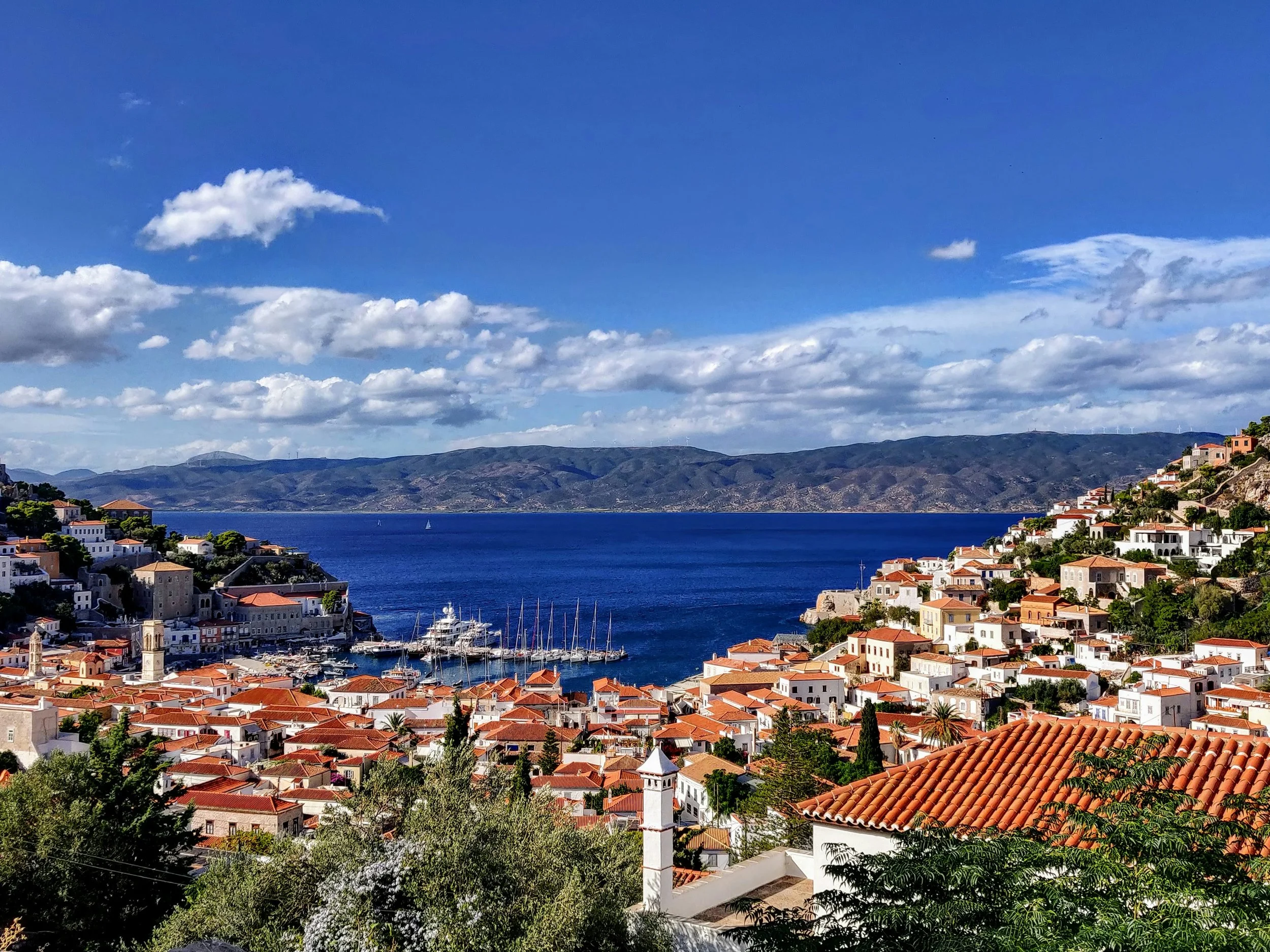
Hydra
Hydra is genuinely beautiful and genuinely quiet. No cars, no motorbikes, no airport. Transport runs by donkey, water taxi and foot, which gives the island an almost suspended quality. The harbour town is handsome in a restrained, aristocratic way: 18th-century stone mansions built by shipping magnates ring the port, and the island has long attracted artists, writers and Athenians who come to switch off properly. Beaches are small and mostly reached by water taxi, which only adds to the sense of occasion. The Lazaros Koundouriotis Historical Mansion is worth an hour for its Ottoman-influenced interiors. Profitis Ilias Monastery, a 90-minute walk above the town, delivers views across the entire Saronic Gulf.
Highlights: Hydra harbour, Lazaros Koundouriotis Mansion, Profitis Ilias Monastery, boat days exploring secluded coves
Where to stay: Mandraki Luxury Suites; The Hydra Hotel
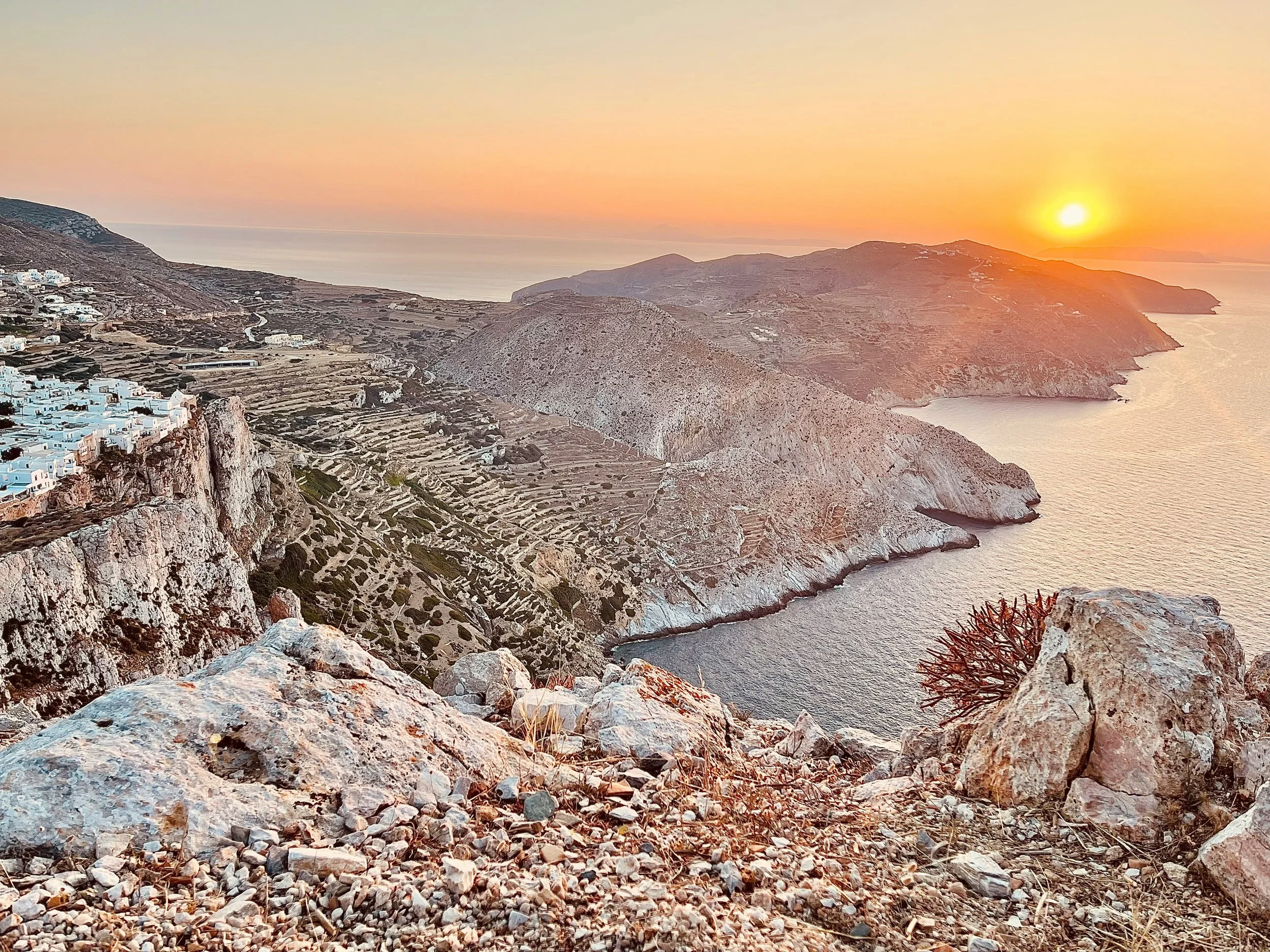
Folegandros
Folegandros is small and largely undeveloped. The main village, Chora, sits 300 metres above the sea and is car-free, medieval in its layout and almost entirely unspoiled: a series of interconnected squares lined with bougainvillea and kafeneions, giving way to a labyrinth of narrow lanes that were built to disorient and have succeeded for centuries. The Church of Panagia, perched on the highest point above Chora, is among the most dramatically positioned churches in Greece. The island's economy remains tied to agriculture, and that self-sufficiency gives it a different energy to its more tourism-oriented neighbours. Superyachts moor in the harbour in peak season, drawn precisely by what the island lacks: crowds, commercialisation, noise. A growing restaurant scene sits comfortably alongside long-established tavernas. The beaches require effort to reach, which keeps them uncrowded; Angali and Agios Nikolaos are both worth the descent.
Highlights: Folegandros Chora, Church of Panagia, boat trips to remote coves
Where to stay: Gundari; Anemi
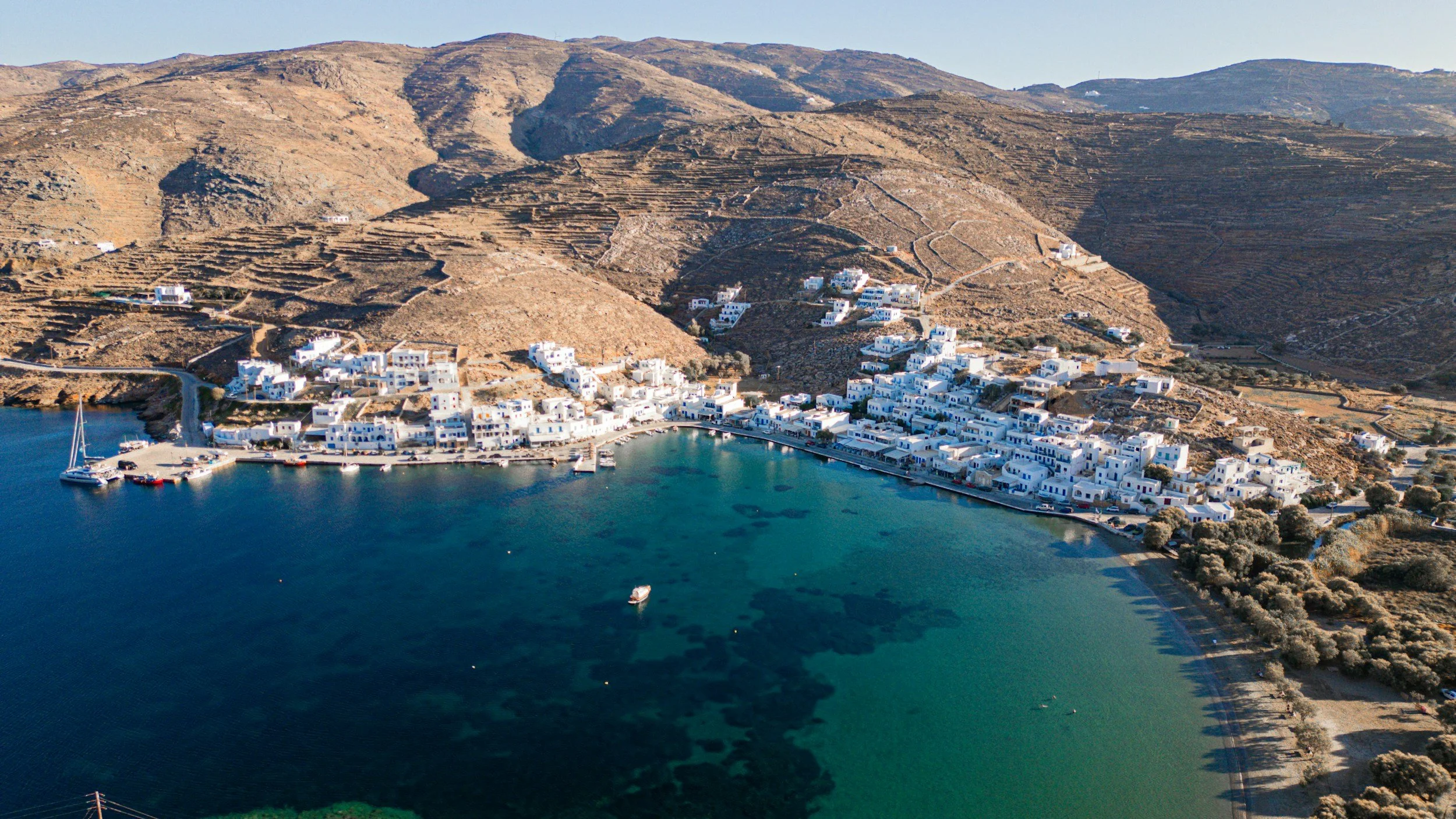
Tinos
Tinos is reached by boat or ferry from Mykonos. The island's identity rests on three things: the Church of Panagia Evangelistria, one of the most important pilgrimage sites in the Orthodox world, where devotees travel from the port on their knees; its marble-carving tradition, centred on the hilltop village of Pyrgos in the north; and an extraordinary food culture that has made Tinos one of the most talked-about gastronomic destinations in Greece in recent years. The Tinos Food Paths festival, held each May, draws serious food travellers from across Europe.
Volax, an ancient village encircled by giant granite boulders, looks like nowhere else in the Aegean. The ornate Venetian-era dovecotes scattered across the island's slopes are among the most distinctive architectural details in the Cyclades. Like Mykonos, Tinos is a windy island; the north coast draws surfers; the south has gentler conditions and sheltered coves.
Highlights: Church of Panagia Evangelistria, Pyrgos village and Museum of Marble Crafts, Volax boulder landscape, Kardiani village at golden hour, dovecotes, Tinos Food Paths (May)
Where to stay: Odera Tinos, Autograph Collection; Pnoes
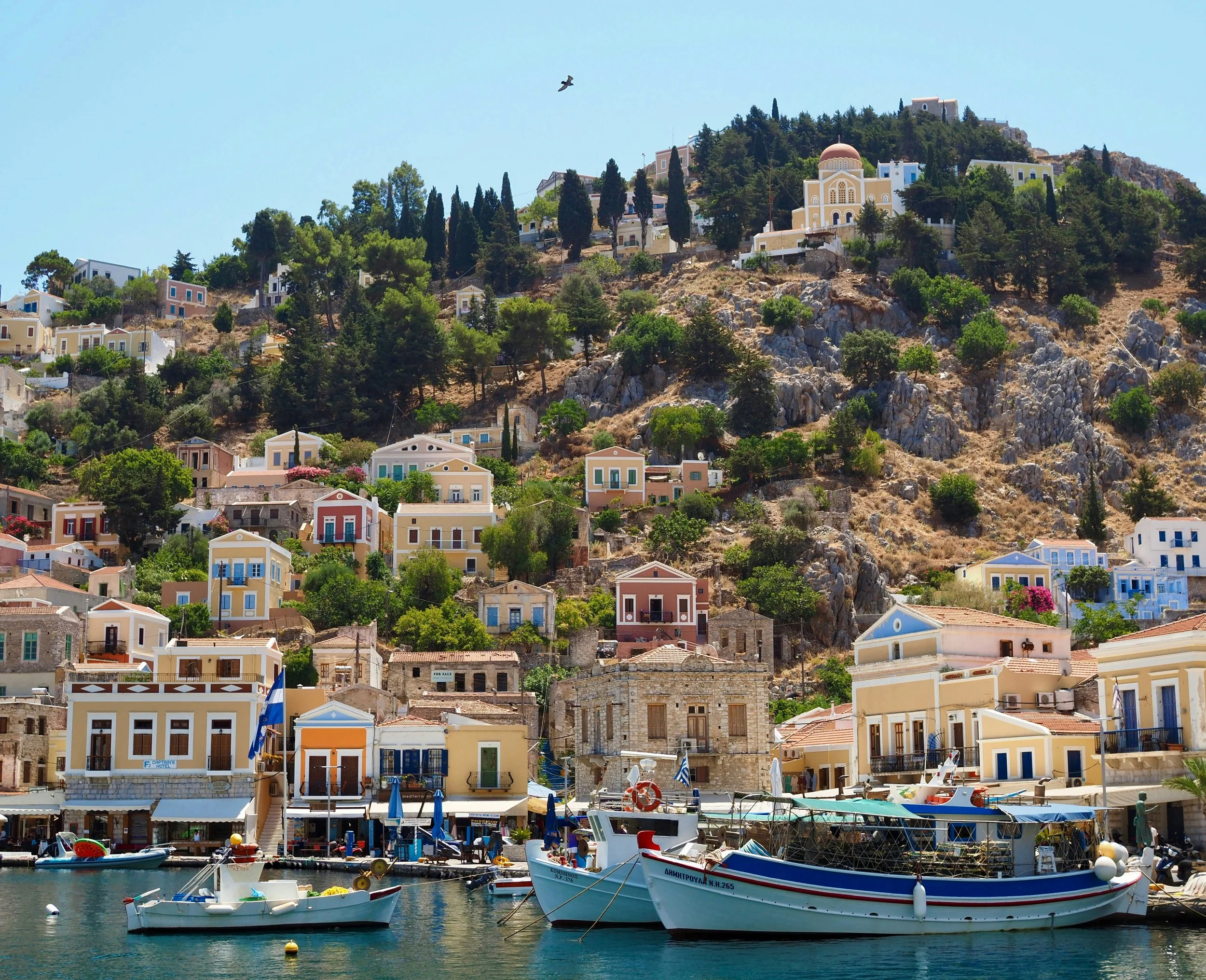
Symi
Symi is often called one of the most beautiful harbours in Greece. The neoclassical mansions, painted in ochre, terracotta and faded amber, cascade from the hills to the waterfront in a composition that appears almost deliberately arranged. Built on wealth accumulated from sponge diving and maritime trade in the 18th and 19th centuries, the architecture is a legacy of a prosperous and surprisingly cosmopolitan past. The island is small, largely car-free within its harbour areas, and quiet in a way that only genuine remoteness achieves. Panormitis Monastery, at the southern tip, is a significant pilgrimage site and worth the boat journey for the landscape alone. Symi shrimp, tiny and intensely sweet, are eaten as a meze with ouzo at the harbour tavernas and are reason enough to linger over lunch. The island sits naturally within a broader Dodecanese itinerary, reached by a short ferry from Rhodes.
Highlights: Yialos harbour, Kali Strata steps, Panormitis Monastery, coves by water taxi, Symi shrimp, sponge diving heritage
Where to stay: The Old Markets; Hotel Aliki
Patmos
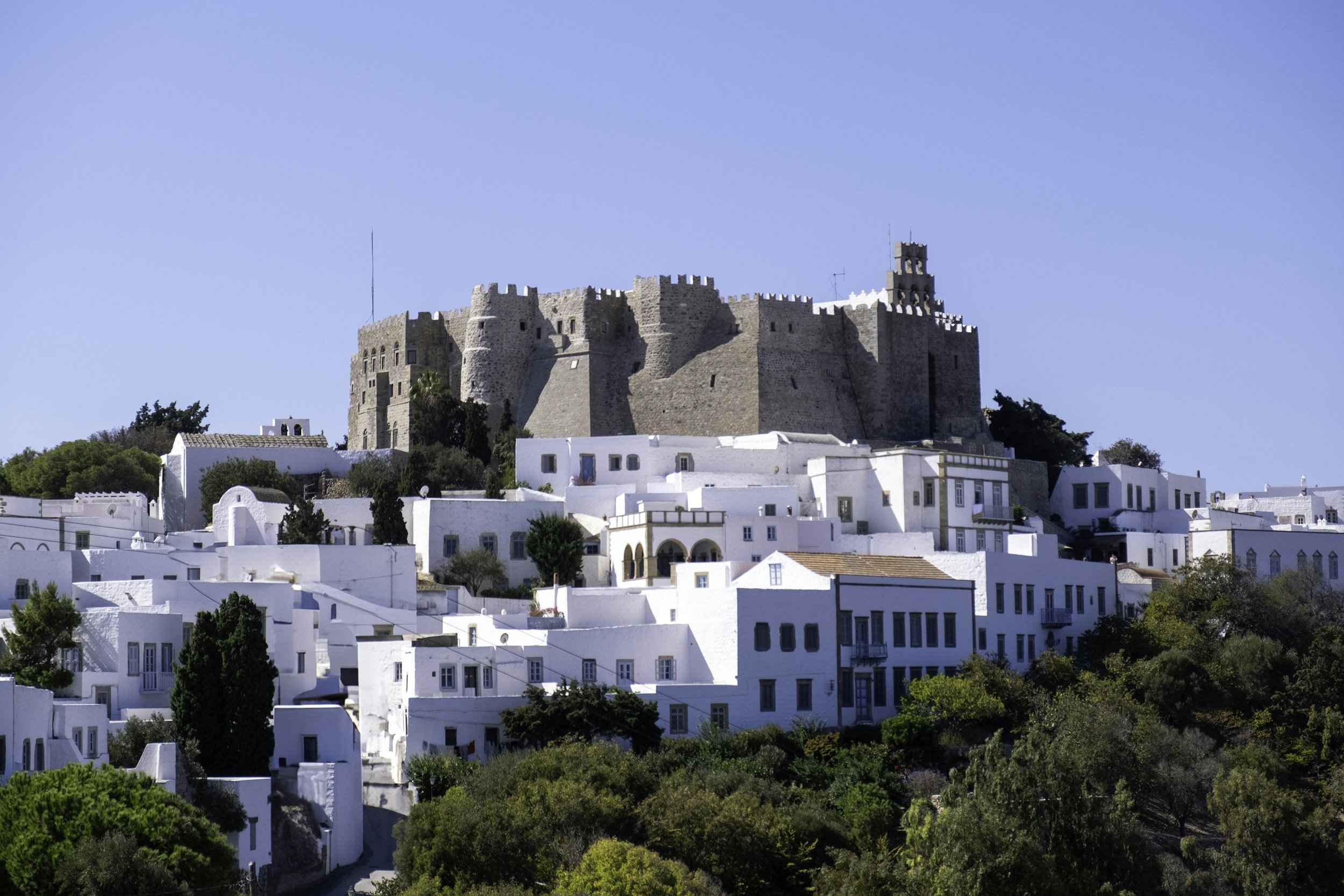
Patmos is the most spiritually weighted island in the Aegean. This is where St John is said to have written the Book of Revelation, in a cave on the hillside above Skala that pilgrims and curious travellers still visit in significant numbers. The Monastery of St John the Theologian, founded in 1088 and visible from across the island from its fortified hilltop position above Chora, is a UNESCO World Heritage Site and one of the most important Byzantine monuments in existence. Below its walls, Chora is a labyrinth of whitewashed lanes, Orthodox churches and kafeneions that feel genuinely untouched. The beach scene is quieter than most; Psili Ammos, reachable only by boat, is among the most pristine in the Dodecanese. Patmos attracts a well-read, unhurried clientele, and the island reflects them: quieter than almost anywhere else in the Dodecanese, with a serenity that is increasingly rare in Greece.
Highlights: Cave of the Apocalypse, Monastery of St John the Theologian, Chora, Psili Ammos beach, Grikos Bay
Where to stay: The Petra; Patmos Aktis, a Luxury Collection Resort & Spa
Antiparos
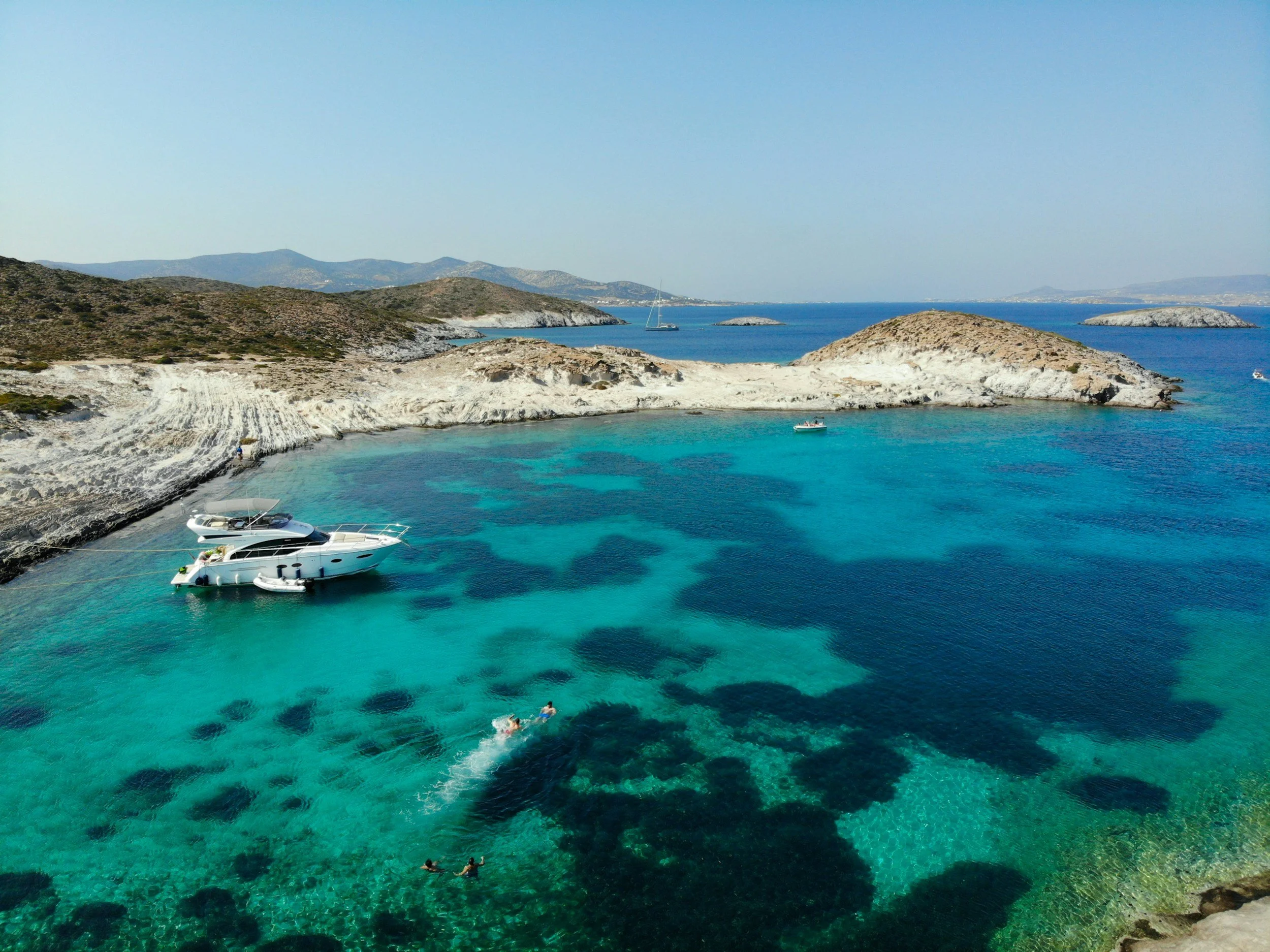
Antiparos sits a short ferry ride from Paros and has long been its quieter, less conspicuous neighbour. The island has attracted a notably low-key but discerning crowd for decades, including several well-known international names who own or have owned property here, drawn by a combination of unspoilt beaches, genuine village life and an almost complete absence of mass tourism. Chora, the single main village, is charming without being arranged for visitors: whitewashed lanes, independent boutiques, good tavernas and a 15th-century kastro at its centre. The Cave of Antiparos, in the south of the island, descends 85 metres into the hillside past stalactite formations of remarkable age, and has been visited and inscribed by travellers since antiquity. Despotiko, a short boat ride away, is an uninhabited islet with an active archaeological excavation of a significant ancient sanctuary that few visitors bother to seek out. Go before everyone else does.
Highlights: Chora village, Cave of Antiparos, Despotiko island and sanctuary, Soros beach, Livadia beach, boat trips to secluded coves
Where to stay: The Rooster
What separates a good Greek island holiday from an exceptional one is the people. Wild Herz Travel has spent years building these relationships: island insiders, local guides, trusted fixers and chefs who know their islands.
If you are planning a Greek island itinerary and want it designed properly, from the right sequence of islands to the people who will show you around each one, we’d would love to help. Let’s start the conversation.