
Beyond Bali
Wild Herz Travel's Comprehensive Guide to Indonesia
Published 9th May, 2026
Indonesia is the largest archipelago on earth: 17,000 islands stretching across a distance greater than New York to London, straddling the equator between the Indian and Pacific Oceans. It is home to the world's most biodiverse marine waters, some of its most significant Hindu and Buddhist monuments, an extraordinary range of cultures, and a handful of beautiful hotels ranging from boutique to all-out luxury with insightful experiences and genuine encounters.
Bali is where most people begin, and for good reason. But Indonesia does not begin and end with Bali. East of it lies Lombok, then Sumbawa, then Komodo. Further east still: Sumba, Flores, Rote. North, in the waters of West Papua, is Raja Ampat. And somewhere between history and remoteness, the Maluku Islands — the original Spice Islands — remain among the least-visited corners of a country that rewards curiosity more than almost anywhere else on earth.
Every island in this guide offers something distinct. The question is not whether Indonesia is worth exploring beyond Bali — it is — but which island suits you, and when. We have explored personally and arranged journeys across many of them.
Tell us what draws you. We’ll curate your individual journey.
The Islands at a Glance
Bali — The most visited island in Indonesia and one of the most recognisable destinations inAncient Hindu temples, rice terraces, and a culture of extraordinary gentleness sit alongside serious luxury hotels, internationally acclaimed restaurants, and a wellness and beach-club scene of real quality. Busy in the south; quieter and more traditional in the north and east.
Java — Indonesia's most populous island and home to its greatest monuments: the 9th-century Buddhist temple of Borobudur and the Hindu complex of Prambanan. Mount Bromo offers one of the most striking volcano landscapes in Southeast Asia. Yogyakarta is the base for exploring Javanese history and culture.
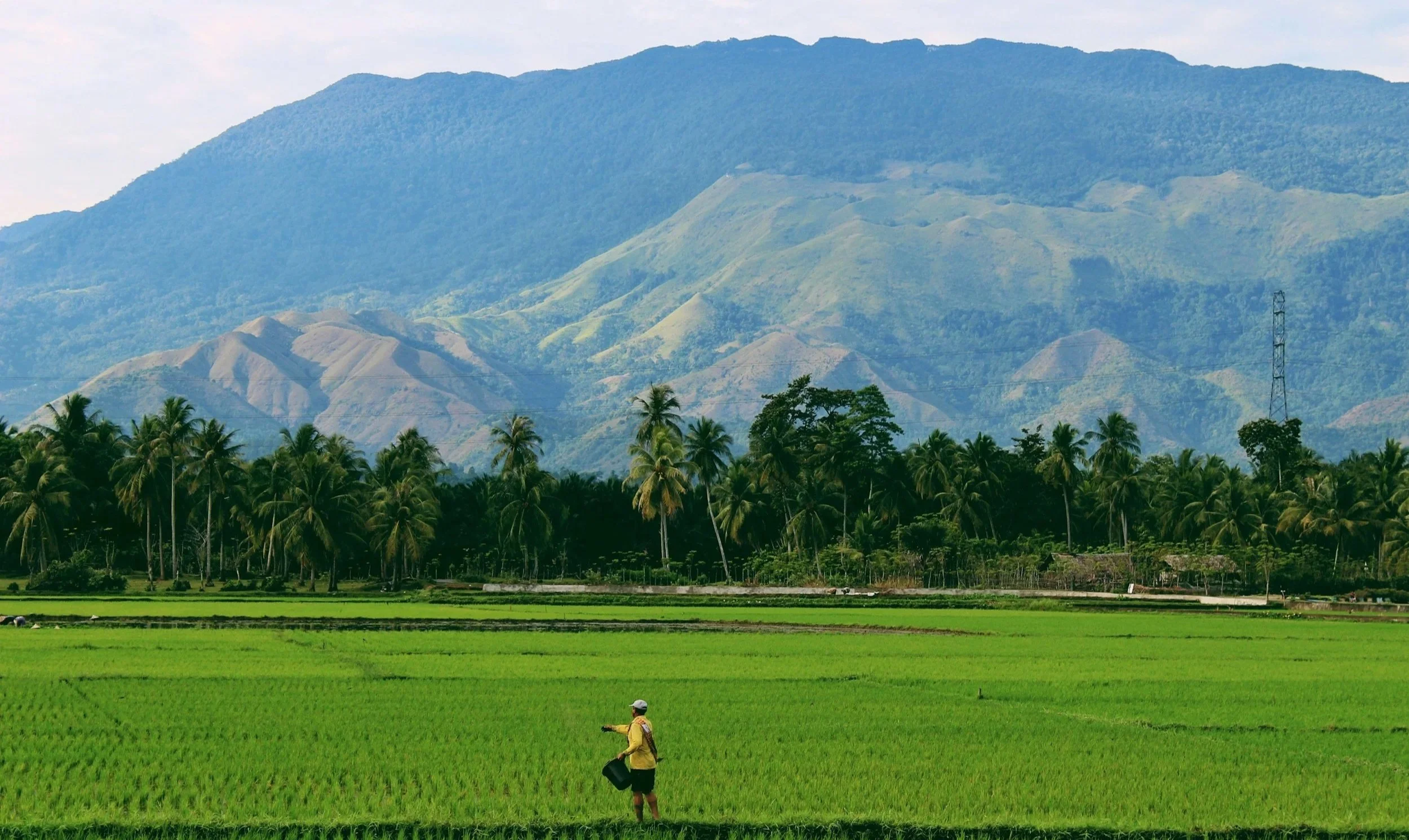
Lombok — Quieter and less developed than Bali, with which it shares a sea crossing. Lombok's dominant feature is Gunung Rinjani, Indonesia's second-highest volcano, which draws serious trekkers. The southern coastline has some of the region's finest beaches. A largely agricultural, predominantly Muslim island with a distinct unhurried character.
Sumba — One of the most culturally singular islands in the archipelago: animist traditions dating to the Bronze Age, megalithic stone tombs, traditional thatched villages, wild horses on wild beaches. Two of Indonesia's most acclaimed luxury resorts make it entirely possible to experience all of this in considerable comfort.
Rote Island — The southernmost island of Indonesia, closer to Australia than to Bali. A strong Christian culture, small in scale, and largely undiscovered. World-class surf, warm communities, and Nihi Rote — opening in 2026 — will make this one of the most talked-about new destinations in the region.
Moyo Island — A protected national park island in the Flores Sea with a single resort: Amanwana, one of the original Aman properties and still among the most private retreats in Indonesia. Pristine reef diving, jungle treks to natural limestone pools, and whale sharks in nearby Saleh Bay. Uncomplicated luxury at its most elemental.
Komodo National Park — A UNESCO World Heritage Site encompassing three large islands and 26 smaller ones. The Komodo dragon, the world's largest living lizard, is found nowhere else on earth. The surrounding waters hold some of the finest diving in the Coral Triangle: year-round manta ray aggregations, reef sharks, and extraordinary biodiversity. Best explored by private yacht charter.
Raja Ampat — More than 1,500 islands in West Papua, at the heart of the Coral Triangle. Scientists consistently rank Raja Ampat as the most biologically diverse marine ecosystem on earth. Worth every hour of the journey.
The Maluku Islands (Spice Islands) — The islands that changed the course of history. Nutmeg, cloves and mace — once worth more than gold — drew the Portuguese, Dutch and English here in the 16th century. Dutch forts still stand on the Banda Islands. The diving is pristine, the history layered and the sense of remoteness absolute.
The Islands in Detail
Bali
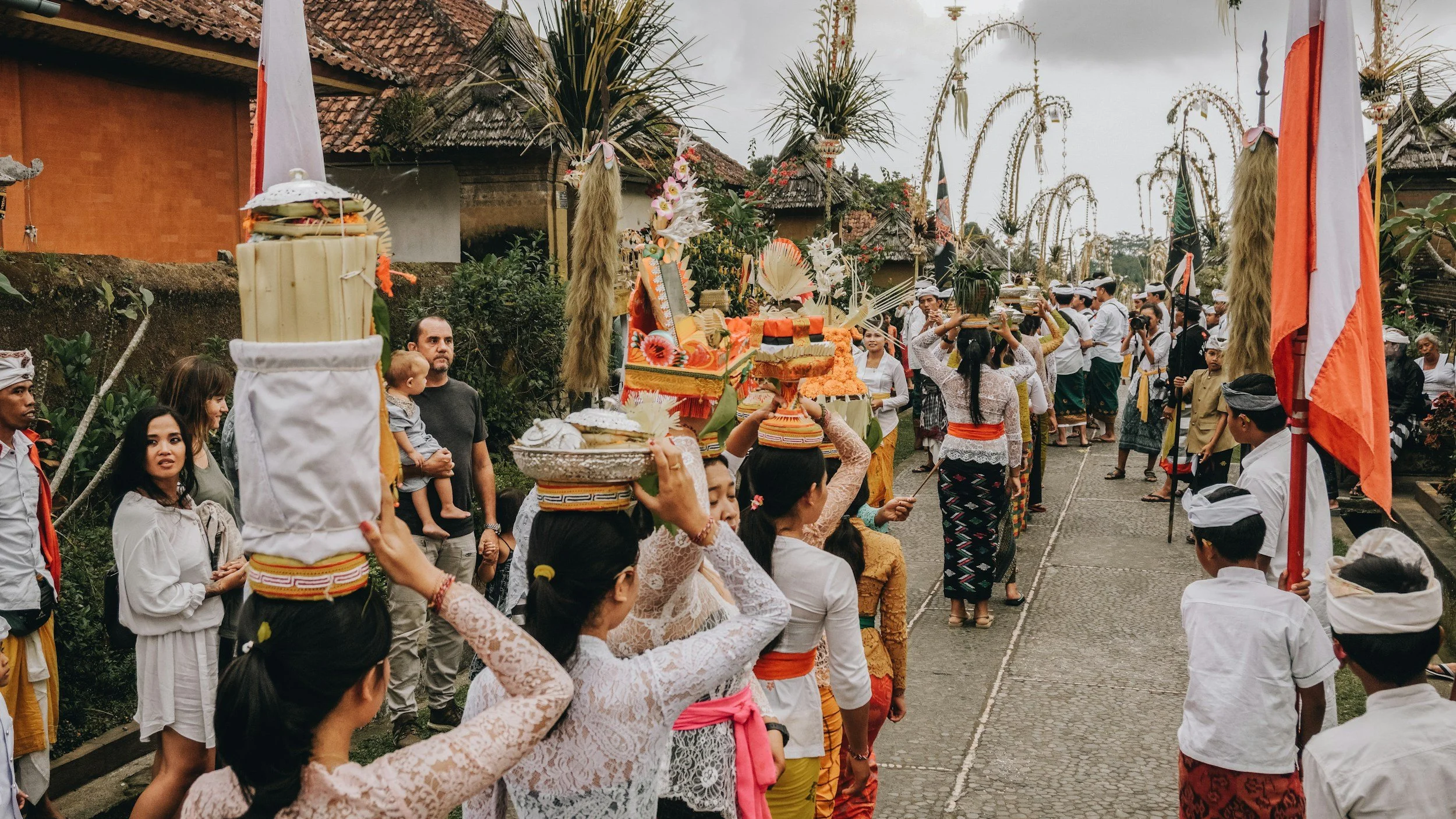
Bali is the island that introduced much of the world to Indonesia, and it has earned the attention. At its heart is a Hindu culture of remarkable continuity — one of the last surviving expressions of the Hindu-Buddhist kingdoms that once governed much of Southeast Asia. The Balinese calendar governs a year of ceremonies, temple festivals and communal rituals; offerings appear at the entrance of every home and shop each morning.
The island's most celebrated sites need no introduction: Tanah Lot, Tirta Gangga, the rice terraces of Tegalalang. The south and southwest — Seminyak, Canggu, Uluwatu — concentrate the beach clubs, five-star hotels and the international restaurant scene that has made Bali one of Asia's most compelling dining destinations. The quality is genuinely high, and several properties here have reached a standard that rivals the best in the world.
Southern Bali during peak months — July, August, December — is busy. Roads in Canggu and Seminyak can be slow; Ubud's main street fills early. This is not a criticism: Bali's popularity is deserved. But an hour north to Munduk, or east to Amed and the slopes of Mount Agung, reveals an island of rice fields and fishing villages where the pace is entirely different and the views no less impressive. We design itineraries that hold both — the best of the south, and the quieter places most visitors never reach.
Best for: luxury hotels, Balinese culture, excellent restaurants, wellness, surfing, first-time visitors to Indonesia.
Java
Jakarta, a vast and frenetic megacity in the island's northwest, is a transit point for most visitors rather than a destination, and there is no shame in treating it as such. The island's rewards lie further east.
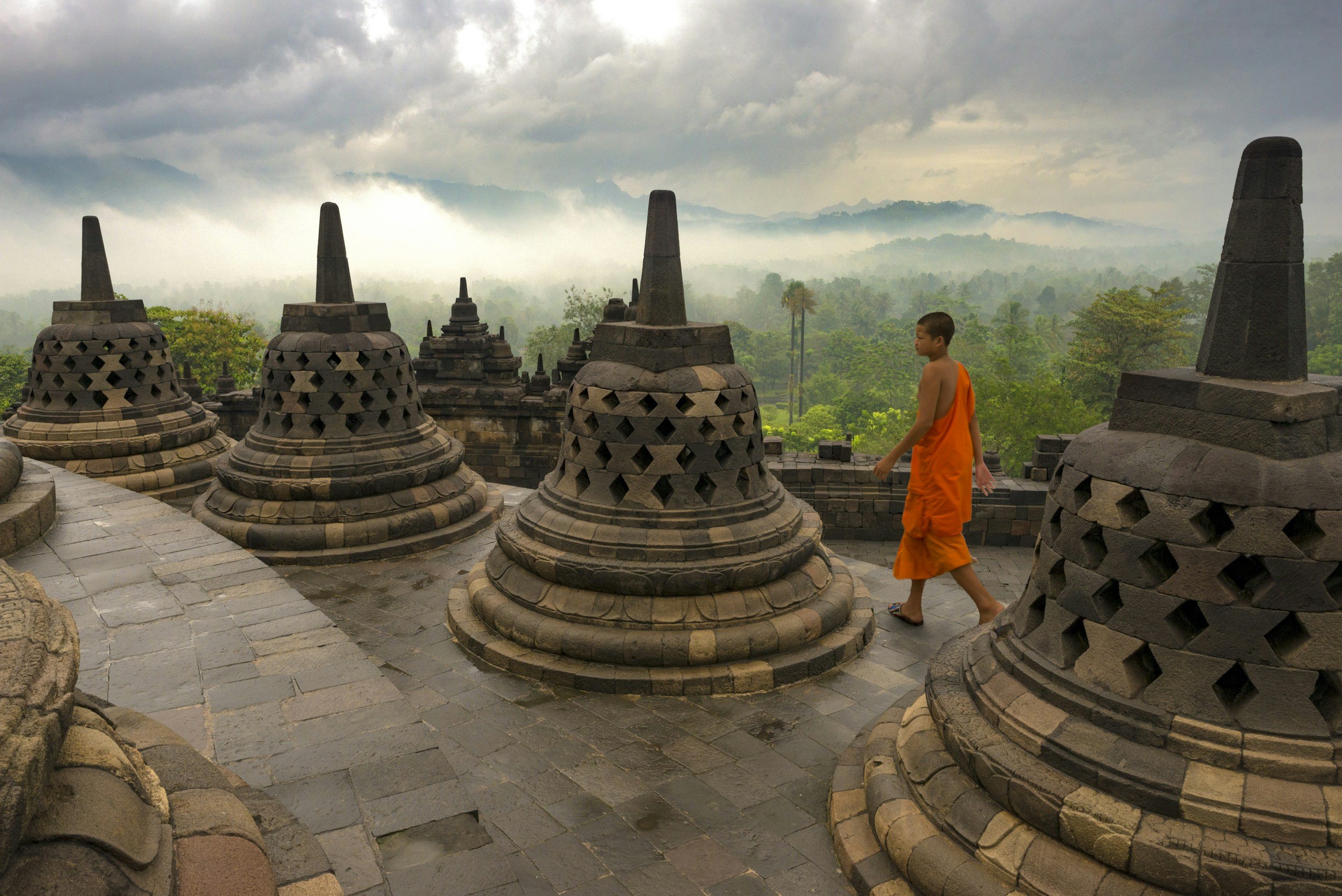
Yogyakarta, on the slopes of the active volcano Merapi, is the cultural heartland of Javanese civilisation and the practical base for the island's two greatest monuments. Borobudur, 40 kilometres northwest, is a 9th-century Mahayana Buddhist temple of nine stacked platforms — the largest Buddhist monument in the world. Prambanan, to the east, is a contemporaneous Hindu complex of 240 temples dedicated to the principal gods of the Trimurti, UNESCO-listed alongside Borobudur. Both are best visited at dawn, before the heat arrives. Watching the mist lift from the forest as the temple slowly reveals itself is one of those experiences that stays.
From Yogyakarta, Solo offers Mangkunegaran Palace and an excellent antique market. Malang, a Dutch colonial city, has wide tree-lined avenues and a colourfully painted hillside village that is more interesting in person than it sounds. East Java's headline experience is Mount Bromo: an active volcano within the vast Tengger caldera, most memorably seen at sunrise with smoke rising from the cone below and volcanic sand stretching across the floor. Java is a vast and often underestimated island. Best approached with time and an appetite for depth.
Best for: UNESCO monuments, volcanic landscapes, Javanese culture, travellers who prefer depth over ease.
Lombok
Lombok sits 35 kilometres east of Bali across the Lombok Strait, separated not just by water but by the Wallace Line — the biogeographical boundary dividing Asian and Australasian flora and fauna. It is predominantly Muslim, largely agricultural and considerably less developed than its more famous neighbour. Not simply Bali-without-the-crowds: a distinct island with its own character and pace.
Gunung Rinjani, Indonesia's second-highest volcano, dominates the northern half and is one of the most demanding and rewarding treks in Southeast Asia. The caldera lake sits at 2,000 metres, with a smaller volcanic cone rising from its centre. A full summit trek requires two to four days and serious fitness; shorter crater rim hikes are available for those with less time or altitude ambition.
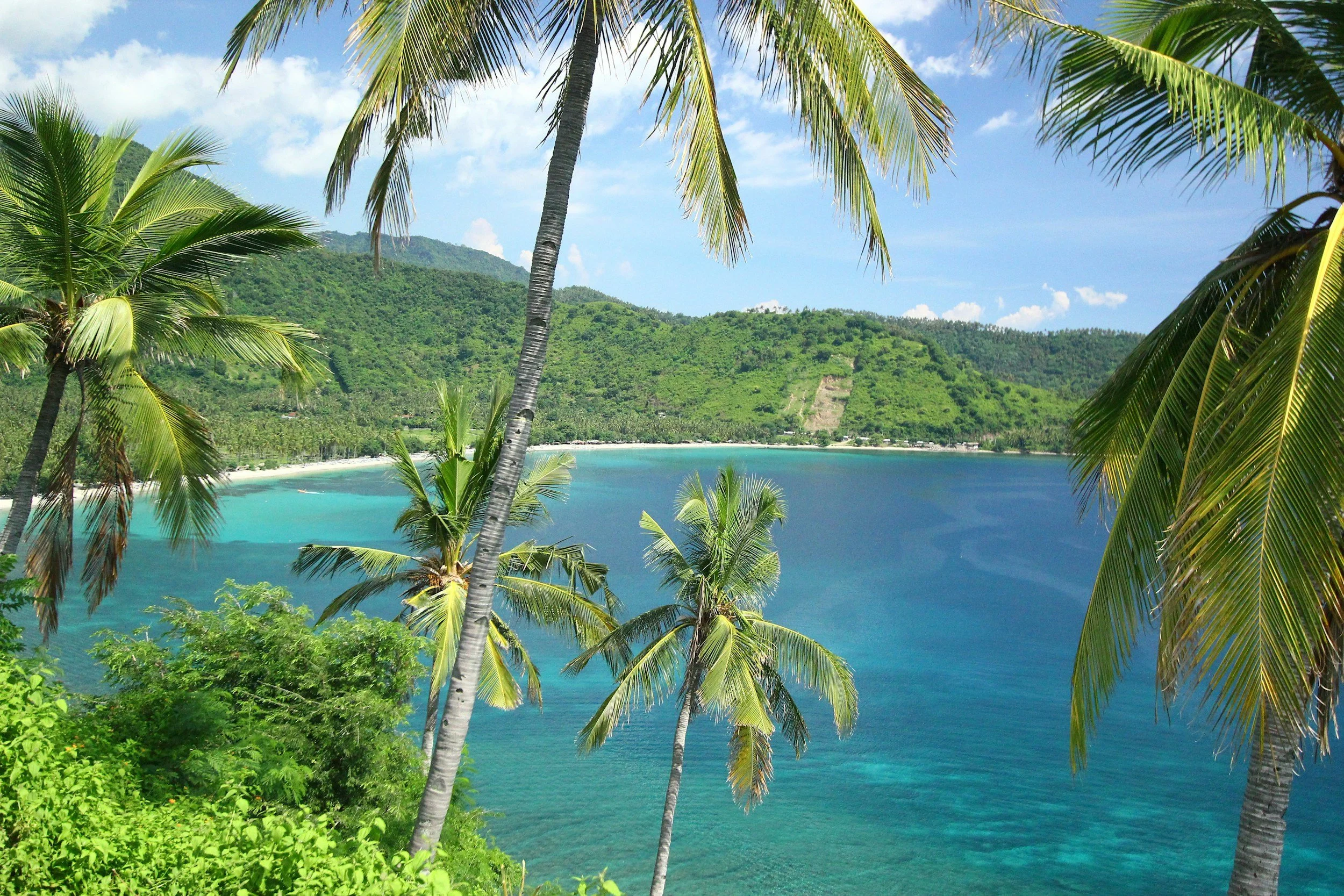
The southern coastline around Kuta and Mandalika has some of the finest white-sand beaches in the region — long, largely empty bays with turquoise water and weathered limestone cliffs. Selong Belanak and Tanjung Aan are particularly good. Pink Beach, its sand blush-tinted from fragments of red coral, is one of the island's most striking stretches. Lombok also serves as the departure point for the Gili Islands — three small car-free islands with coral reefs and sea turtles, though better suited to those travelling on a budget. For those wanting something quieter, Lombok has some beautiful retreat options well away from the more developed tourist infrastructure.
Best for: trekking Rinjani, beautiful beaches, the Gili Islands, those seeking quiet after Bali.
Sumba
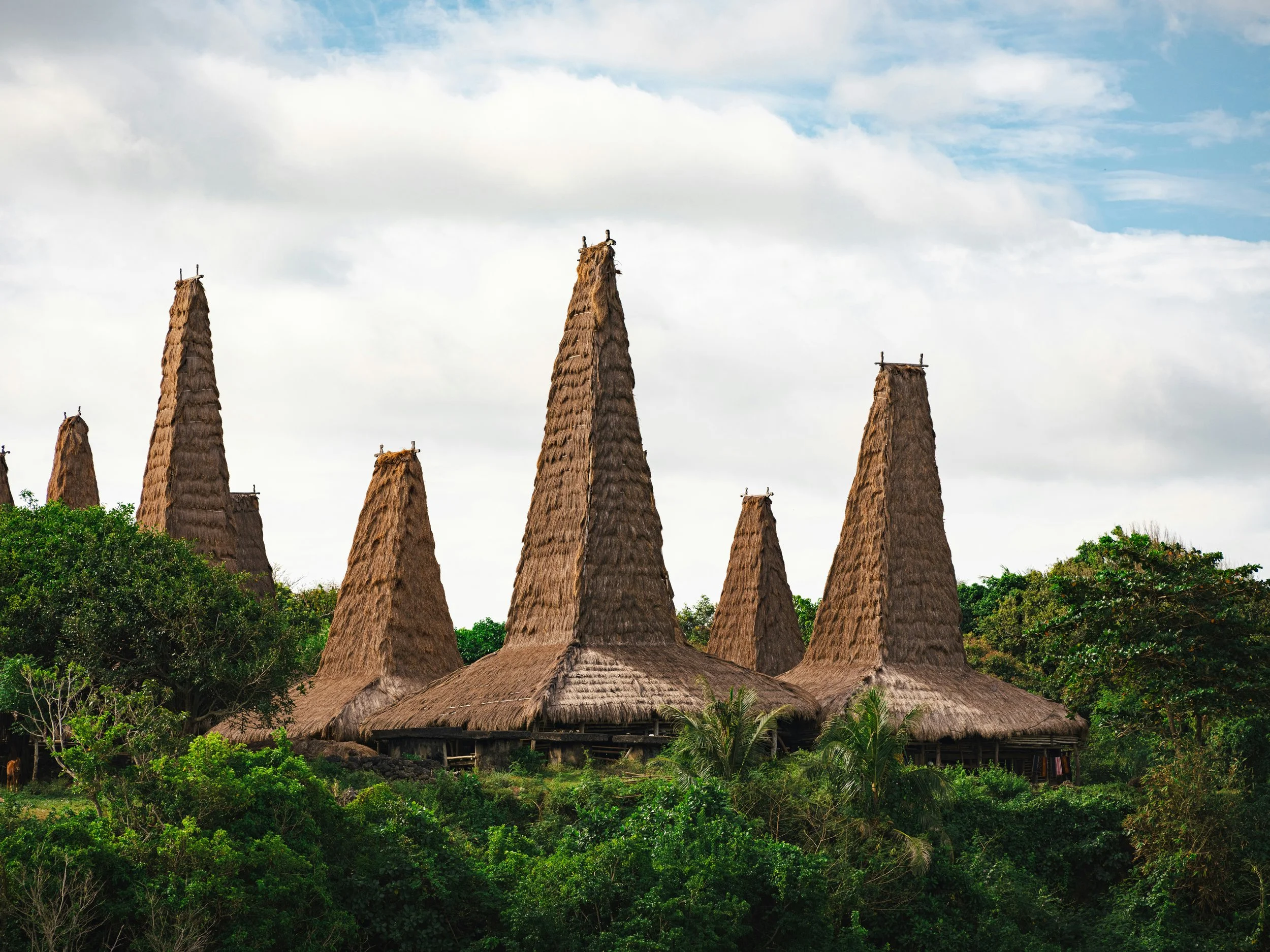
An hour's flight east of Bali, Sumba surprises almost everyone who makes the journey. Twice the size of Bali with a fraction of the population, it is a landscape of golden savannah, dry hills, traditional villages built around family mausoleums, and enormous megalithic stone tombs with no counterpart elsewhere in the archipelago.
The island practises Marapu, an animist belief system rooted in ancestor worship that dates to the Bronze Age and continues to shape daily life. Thatched houses with soaring peaked roofs, designed to bridge the human and spiritual worlds, stand in clusters around the tombs. Horses are integral to Sumbanese life — currency, transport, status symbol — and feature in the Pasola, an annual ritual harvest festival in which opposing villages engage in mounted jousting with wooden spears.
Two resorts have made luxury travel in Sumba a genuine proposition. Nihi Sumba, on the southwest coast, has been consistently ranked among the world's best hotels: a private beach, world-class surf limited to a handful of guests per day, and a strong conservation ethos through the Sumba Foundation. Cap Karoso, on the west coast, is architecturally distinctive and more contemporary in spirit — a design sensibility shaped by local ikat craft traditions, a working organic farm, and a French-led kitchen. It was ranked the top resort in Indonesia by Condé Nast Traveller in 2025. Both arrange village visits and cultural introductions that go well beyond the standard resort experience.
Best for: cultural immersion, remote luxury, world-class surf, those who want Indonesia furthest from the mainstream.
Rote Island
Rote Island is the southernmost point of Indonesia, positioned in the Timor Sea closer to Darwin than to Bali. Predominantly Christian, small in scale, and largely untouched by the developments that have transformed other islands in this part of the archipelago. The community is close-knit and welcoming; the beaches are long and often empty; and the surf, particularly at the breaks around Nembrala on the west coast, has a devoted following among those in the know.
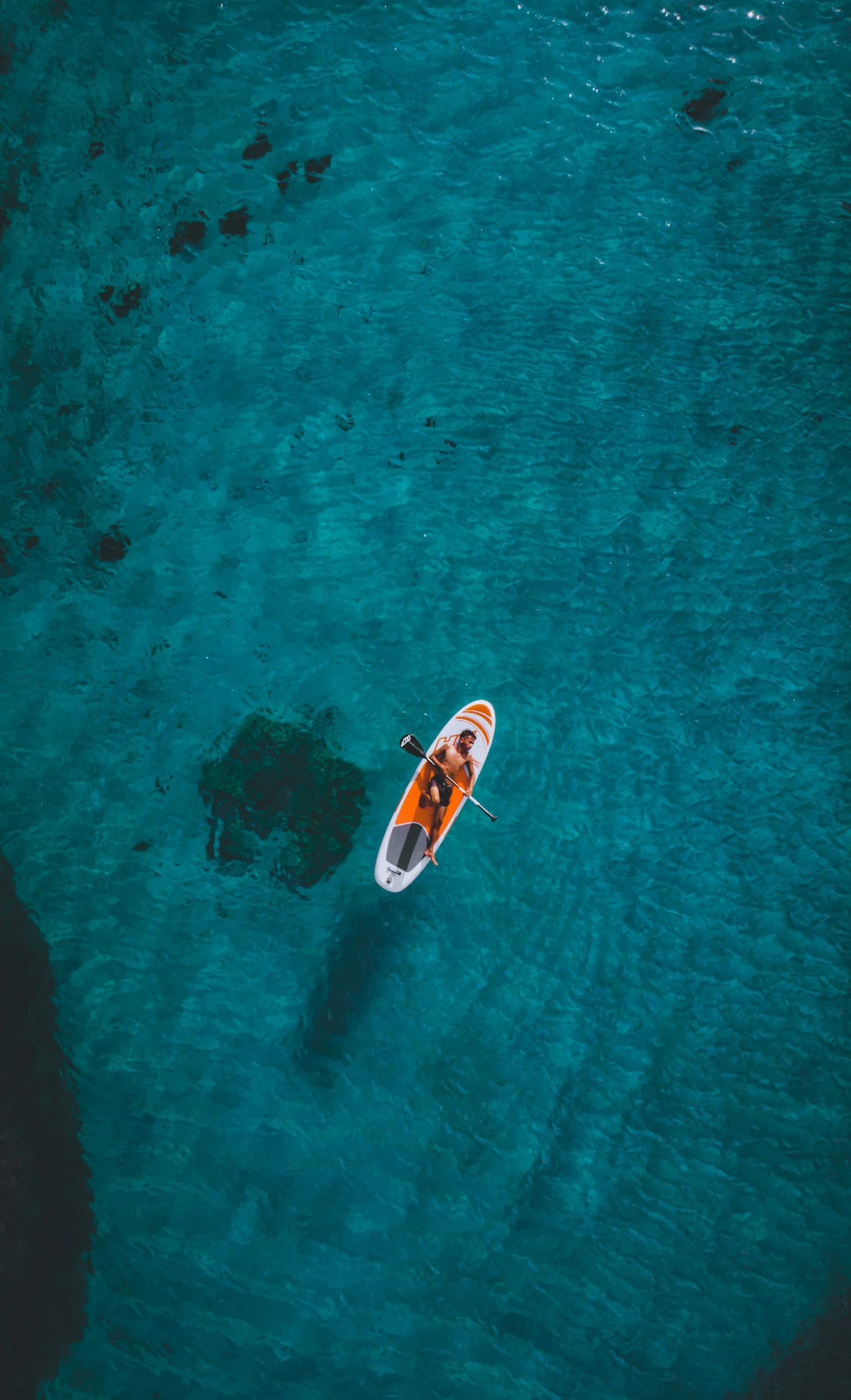
What brings Rote into focus now is Nihi Rote, the second property from the team behind Nihi Sumba, opening in 2026 on Bo'a Beach. The resort is being built around a Hospitality Academy training young Rotenese staff — woven into the heart of the property, making it the first hotel in Indonesia where guests check in through the school rather than a conventional front desk. Activities range from surfing and paddleboarding to village walks; attending Sunday mass with local communities offers the kind of genuine encounter with island life that few resorts anywhere in the world could provide.
Rote is not yet a fully formed luxury destination in the way that Sumba or Bali are, and that is part of its appeal. The infrastructure is modest; the experience of being here, outside the resort, is genuinely remote. For those who want to arrive early to somewhere still finding its footing, the timing is right.
Best for: surfing, genuine remoteness, those who want to be among the first. Note: Nihi Rote opens April 2026.
Moyo Island
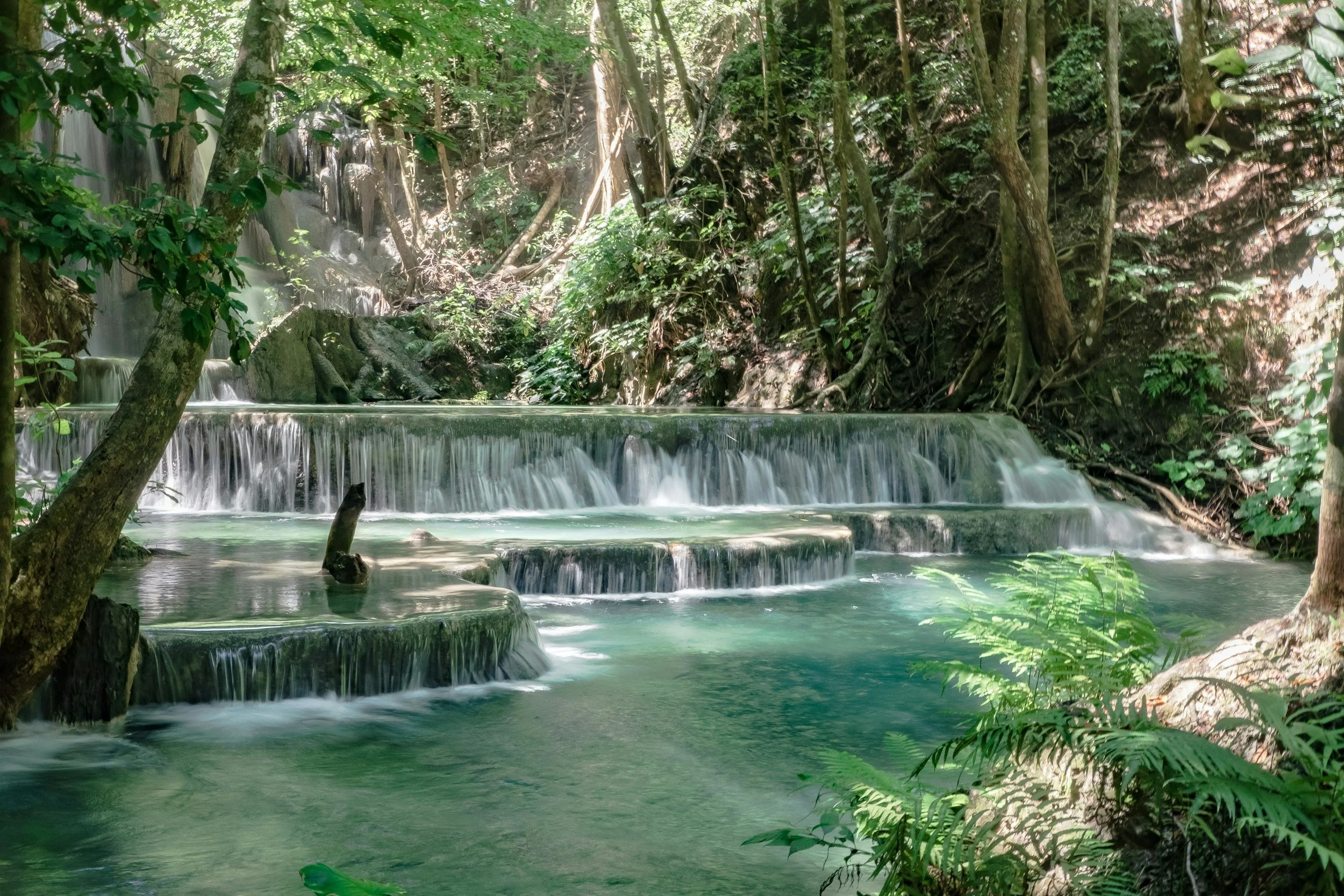
Moyo is a small island in the Flores Sea, administered as part of the Moyo Satonda National Park and home to a single resort: Amanwana, which opened in 1993 as one of the original Aman properties and has remained relatively unchanged since. It does not belong to recent luxury tourism trends. It is an established wilderness camp representing an earlier and, in many ways, purer idea of what a remote retreat should be.
The accommodation is tented — hardwood floors, king beds, private decks with ocean or jungle views — and fully inclusive of meals, drinks and activities on the water. The pace is dictated by the island and the sea. Amanwana's dive centre gives access to some of Indonesia's most pristine reef systems, minutes by boat. Guided jungle treks lead through the national park to limestone pools and waterfalls. Nearby Saleh Bay holds one of the largest concentrations of whale sharks in the world — a UNESCO Biosphere Reserve, and one of the few places where encounters are possible year-round. For those wanting to range further, Amanwana operates boats capable of multi-day expeditions to Komodo.
A small village on Moyo can be visited on guided walks, and the resort maintains conservation and education programmes with the local community. There are no other restaurants or facilities on the island. The privacy is absolute.
Best for: wilderness retreat, world-class diving, seclusion, those seeking the original spirit of Indonesian luxury.
Komodo National Park
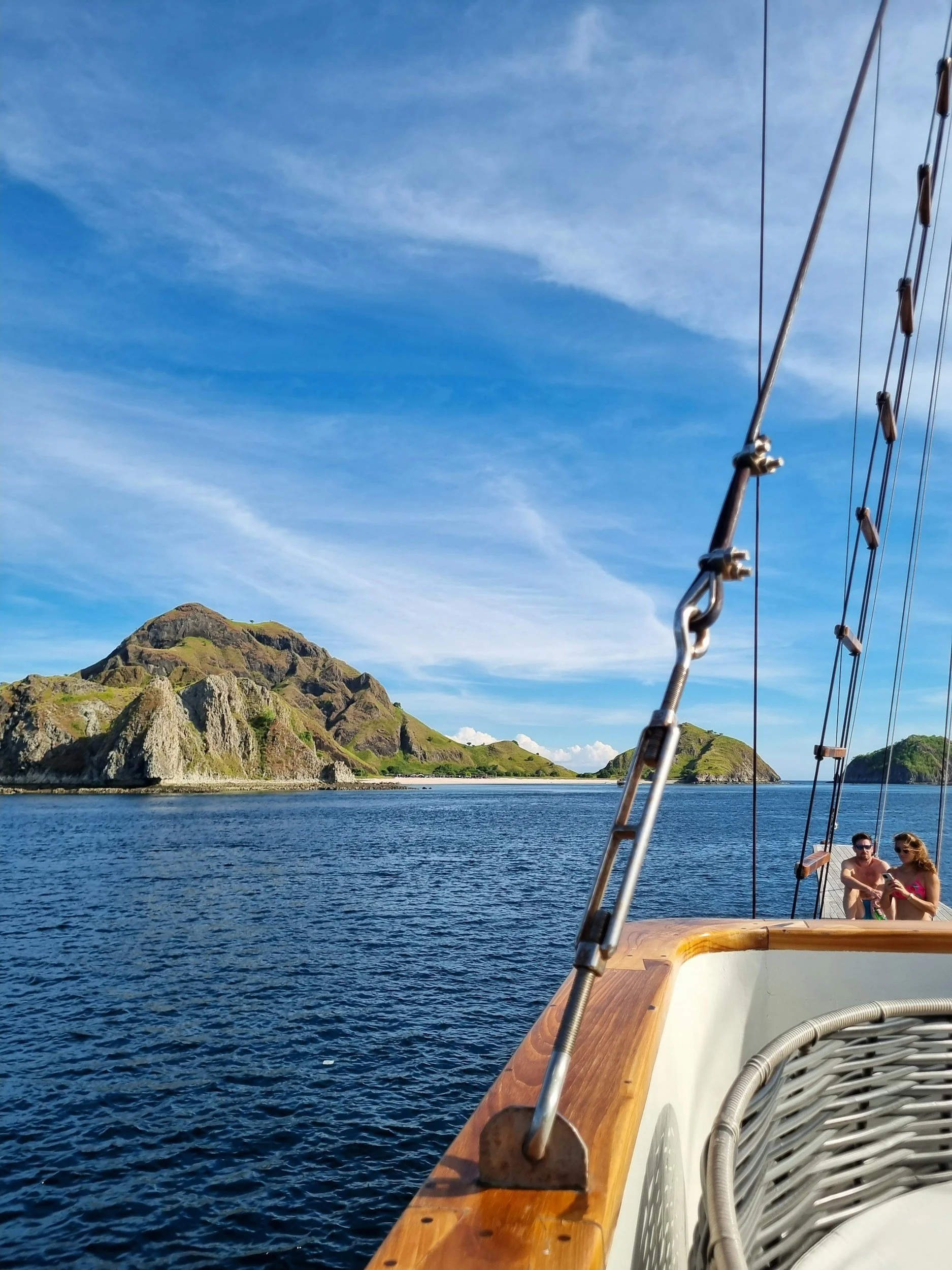
Komodo National Park encompasses three large islands — Komodo, Rinca and Padar — and 26 smaller ones in East Nusa Tenggara. A UNESCO World Heritage Site established originally to protect the Komodo dragon: the world's largest living lizard, found only here, growing to up to three metres and reliably encountered on guided walks across both Komodo and Rinca.
For divers, the surrounding marine environment is the primary draw. Komodo sits within the Coral Triangle, where powerful tidal currents push nutrients up through the water column and sustain reef ecosystems of exceptional richness. The park holds the largest known concentration of reef manta rays in the world, making it the only place in Indonesia where sightings are possible year-round; at peak, between December and March, encounters with many individuals simultaneously are not unusual. The diving ranges from technically demanding drift dives to more sheltered sites accessible to intermediate divers. Batu Bolong, Castle Rock and Manta Point are among the most celebrated sites in the archipelago.
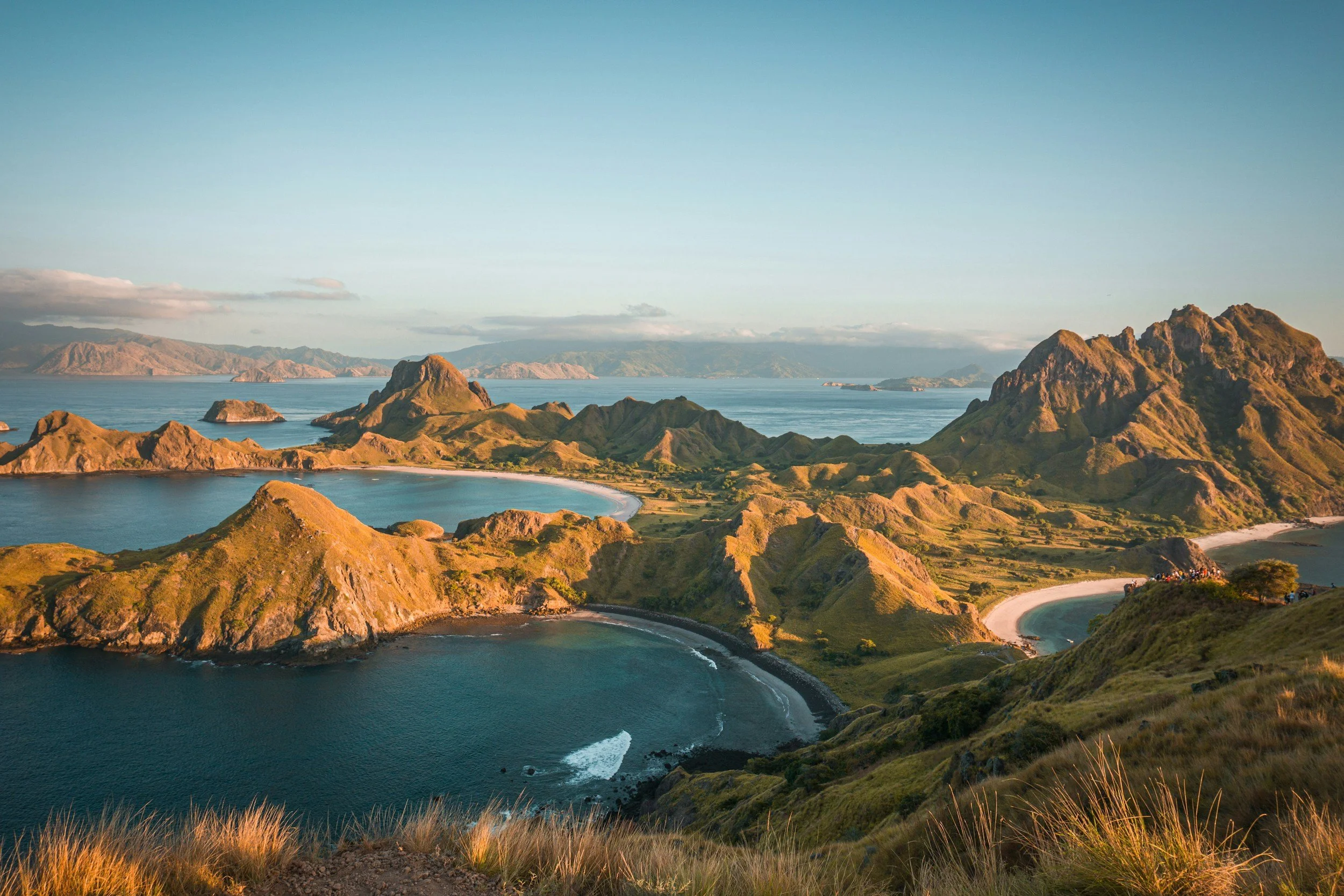
The best way to explore is by private phinisi charter — the traditional two-masted wooden schooner of the Indonesian islands. A private vessel allows access to remote southern dive sites, island-hopping at will, and sunset anchorages in deserted bays. Bats emerge from sea caves at dusk; Pink Beach is reached by boat; and the hilltops of Padar offer one of the most photographed views in the country.
Best for: diving, Komodo dragons, private yacht charter, experienced divers and wildlife enthusiasts.
Raja Ampat
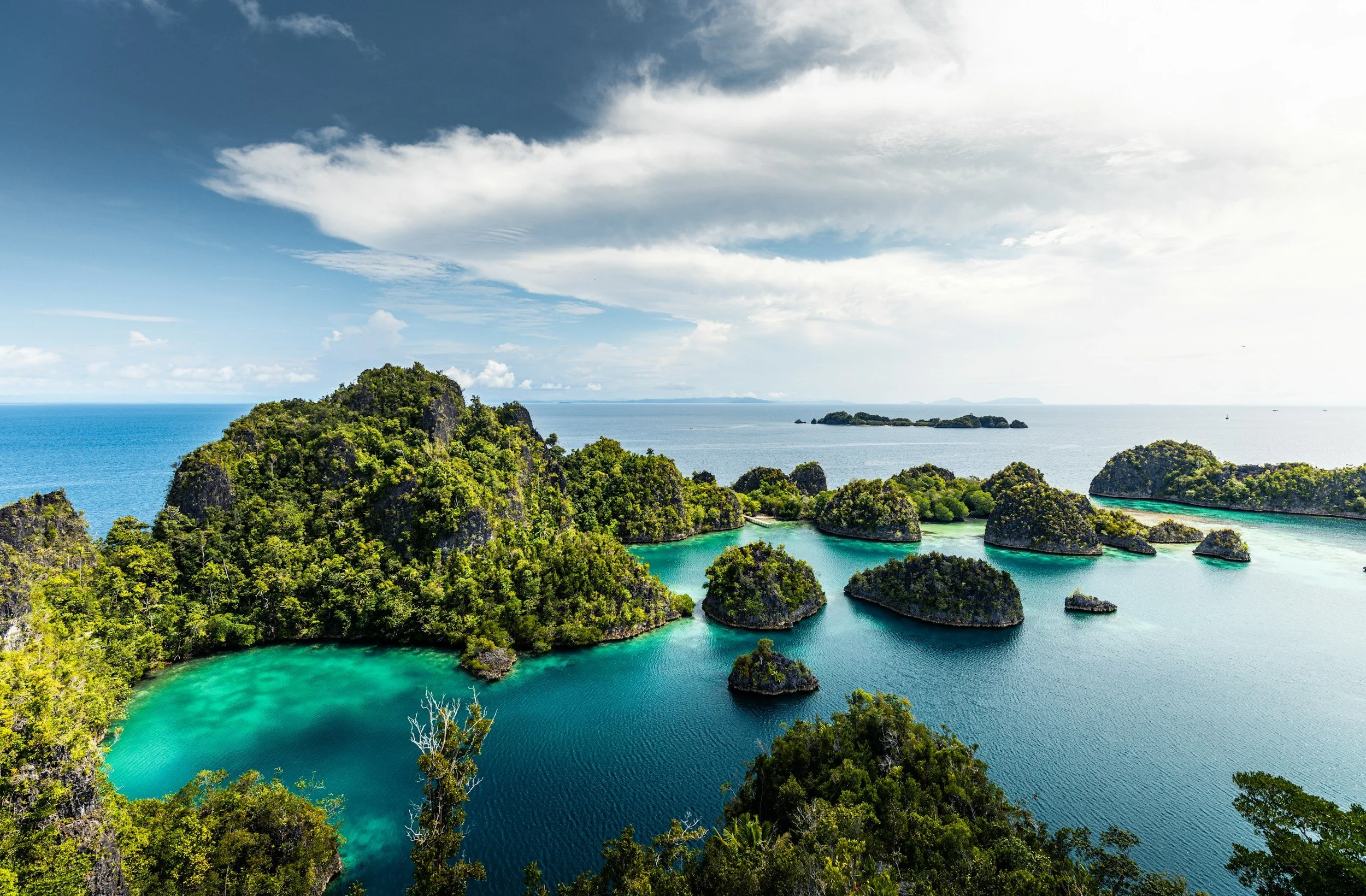
Raja Ampat translates as 'Four Kings', referring to the four main islands that anchor a region of more than 1,500 islands in West Papua. It is the most remote destination in this guide and the most demanding to reach. For those willing to make the journey, it is worth every hour without reservation.
Scientists consistently rank Raja Ampat as the most biologically diverse marine ecosystem on earth. At the convergence of the Pacific and Indian Oceans, a powerful current system delivers nutrients sustaining a concentration of marine life found nowhere else on the planet. Reef fish and coral species recorded here surpass those of almost any comparable area in the world. Manta rays, whale sharks, multiple shark species, sea turtles and marine mammals are all part of the regular inventory. What would be considered an exceptional dive elsewhere is simply a standard one here.
The preferred way to experience Raja Ampat is by private liveaboard charter, allowing access to the full range of the archipelago — including the remote southern islands around Misool — and complete flexibility of itinerary. Land-based eco-resorts exist across the islands, though facilities are appropriately modest given the remoteness. This is not a destination for those who want conventional luxury alongside their diving. It is for those for whom the underwater world is the reason to travel.
Best for: the world's best diving, marine biodiversity, private liveaboard charter, experienced divers.
The Maluku Islands (Spice Islands)
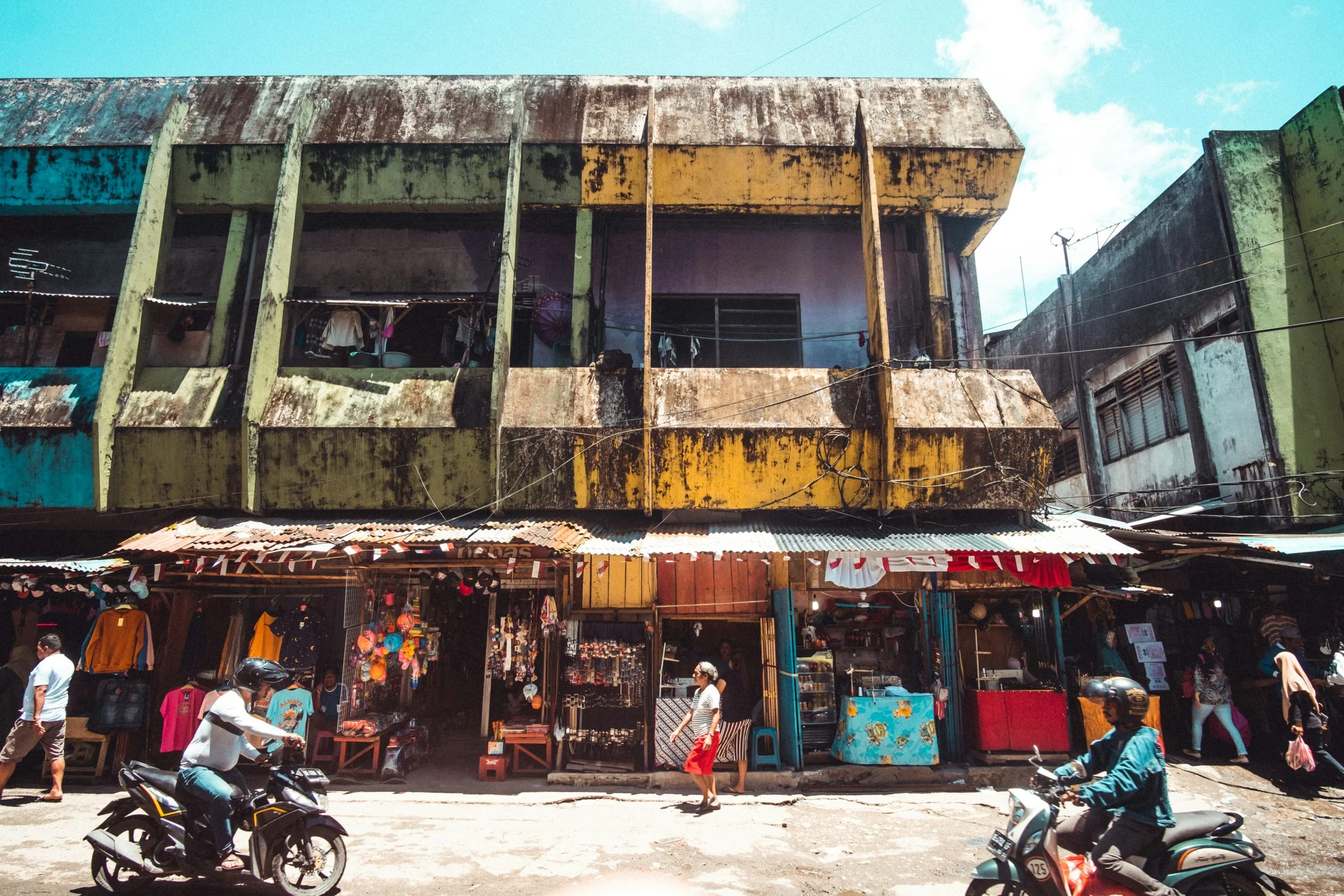
The Maluku Islands lie in the Banda Sea, among the most historically consequential islands in the world. Nutmeg, mace and cloves grew here and almost nowhere else, and for two centuries these spices were worth more by weight than gold. The Portuguese arrived in 1512, followed by the Dutch East India Company — the VOC — which established a monopoly that briefly made the Netherlands the wealthiest nation on earth. The human cost was catastrophic: the indigenous population of the Banda Islands was largely massacred in 1621. The ruins of stone fortresses and colonial warehouses remain; roadsides occasionally yield VOC coins from the 1600s; and the nutmeg trees that caused it all still grow in the forest.
The Banda Islands, Ambon and the surrounding archipelago are among the least-visited corners of Indonesia, which is their principal appeal. The diving is pristine — coral walls, lava reef from recent volcanic activity, and marine life left largely undisturbed. The villages are small and traditional; the pace is slow; and the historical weight of the place gives every journey here a dimension that purely scenic destinations cannot match.
There are two practical ways to arrive in comfort: private phinisi charter, or Aqua Blu — the expedition yacht that runs a dedicated Spice Islands itinerary from Ambon between October and November each year, with individual cabins available.
Best for: history, exceptional diving, the most layered and remote experience in this guide.
Indonesia is not a single journey. It is a series of entirely different worlds, each requiring its own planning, its own season and its own pace. We have been here many times, in many directions. We know which islands suit which travellers, which seasons to time, which resorts are worth the journey and which are best skipped, and how to connect destinations in a way that makes the whole greater than the sum of its parts.
Tell us where you’re curious about. We will take it from there.