
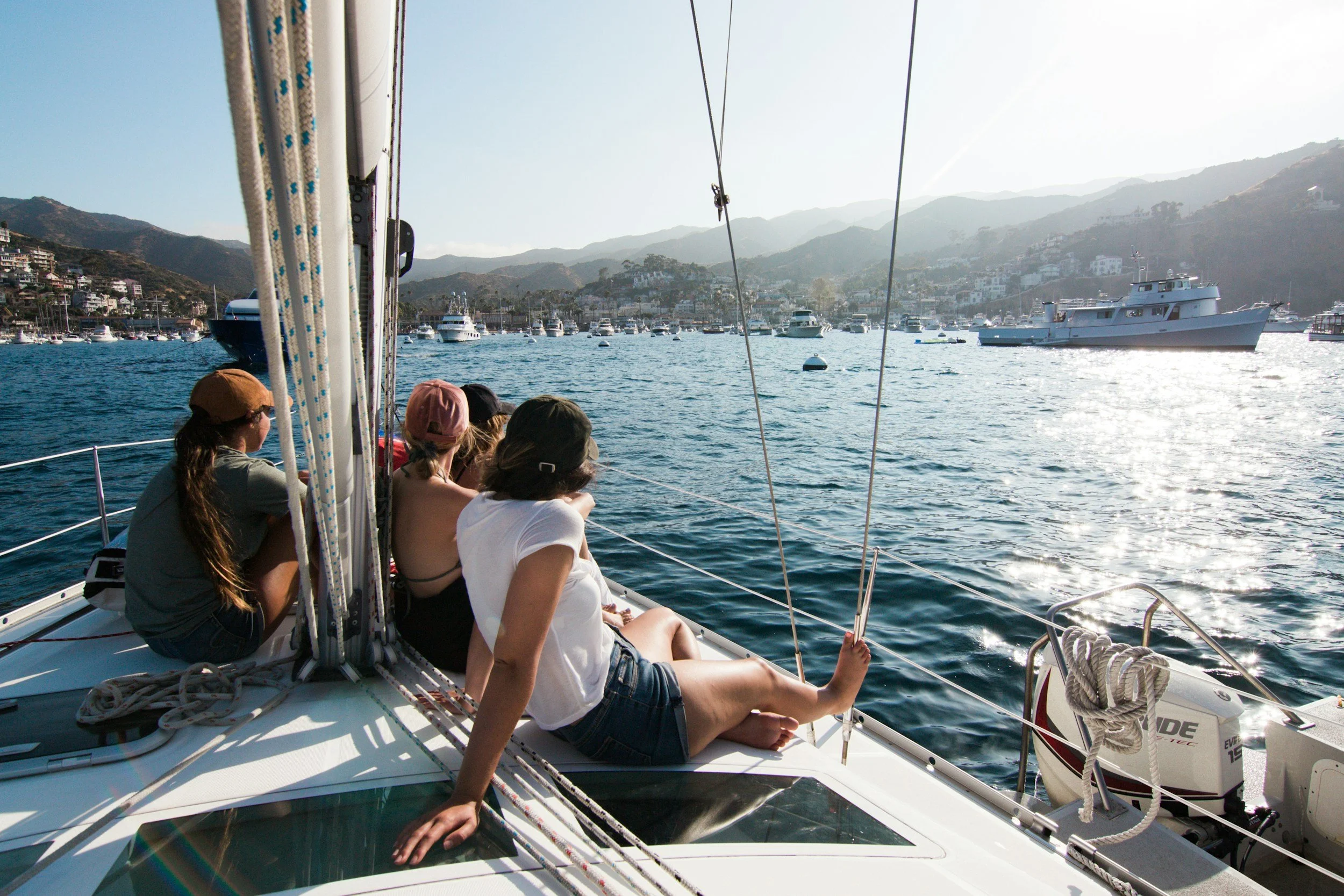
Three generations, one great adventure
There is something rather special about getting three generations away together. Grandparents, parents and children experience a place differently, and the best trips find a way to bring those perspectives together. It might be a long lunch that stretches into the afternoon, a boat trip that becomes the highlight of the week, or simply having everyone around the same table at the end of the day.
More families are looking beyond the traditional week at a beach resort and asking what else they could do with that time together. The answer needn't mean a packed itinerary or a succession of early starts. Often, the secret is finding the right base, with enough space for everyone to do their own thing and experiences that give the family a reason to come together.
We've put together four ideas, each of which can be adapted around the ages of the children, the grandparents' mobility and the pace that suits the family.
Published 20th November 2026
Puglia: a masseria of your own
A private masseria is one of the loveliest ways to bring a family together in Puglia. These historic agricultural estates, many originally fortified and surrounded by dry-stone walls, olive groves and farmland, have been transformed into some of the region's most characterful places to stay.
Rented exclusively, a masseria gives everyone room to settle in. There might be a long pool, shaded terraces, a garden for children to explore and a cook who comes in to prepare breakfast and the occasional supper. Some evenings are best spent at home; on others, head into a nearby town for dinner in a piazza, where the tables spill onto the street and supper rarely feels hurried.
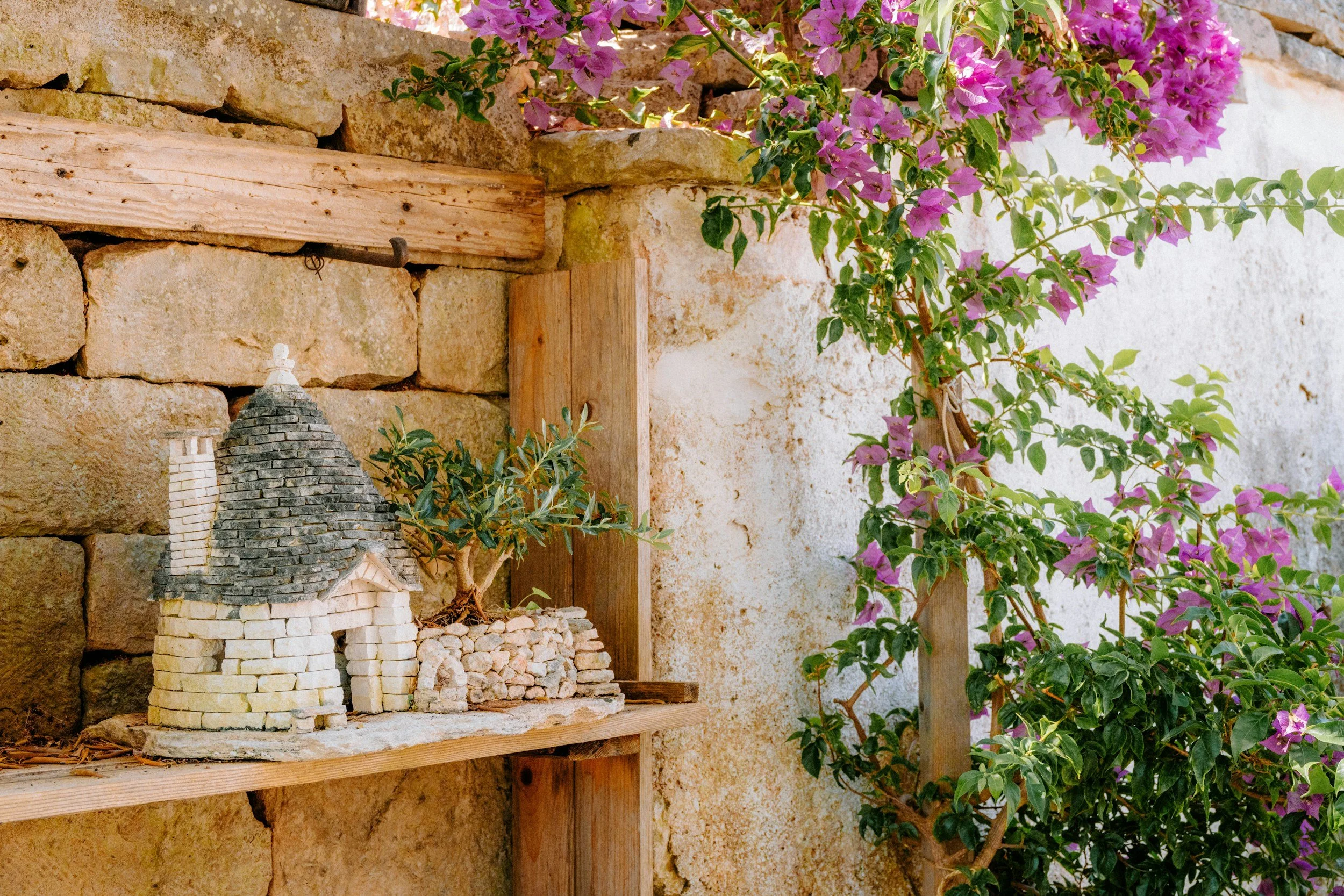
The surrounding countryside offers plenty to explore without travelling far. Cycle or take e-bikes along the lanes between ancient olive groves and dry-stone walls. Visit a local cheesemaker to see how burrata is made by hand: a delicate pouch of mozzarella filled with cream and strands of fresh cheese. Alberobello, with its distinctive conical-roofed trulli, is worth a visit too. Recognised by UNESCO in 1996, the town is particularly interesting when explored with a local guide who can explain the history behind these unusual stone houses.
There is no need to fill every day. Puglian summers are hot, and the traditional pause during the afternoon's hottest hours is a rather good idea. Return to the pool, find a shady corner with a book or let the children disappear into the garden. The pleasure of having a house of their own is that everyone can find their own rhythm.
Greece: Athens and island life
A few days in Athens followed by a week on an island makes a particularly satisfying combination. Start with the Acropolis, ideally early in the morning before the heat builds, and allow time to explore the surrounding neighbourhoods. The Dolli, with its rooftop terrace and remarkable views towards the Parthenon, makes a particularly good base. The ancient city becomes part of the everyday backdrop, rather than something to tick off in a morning.
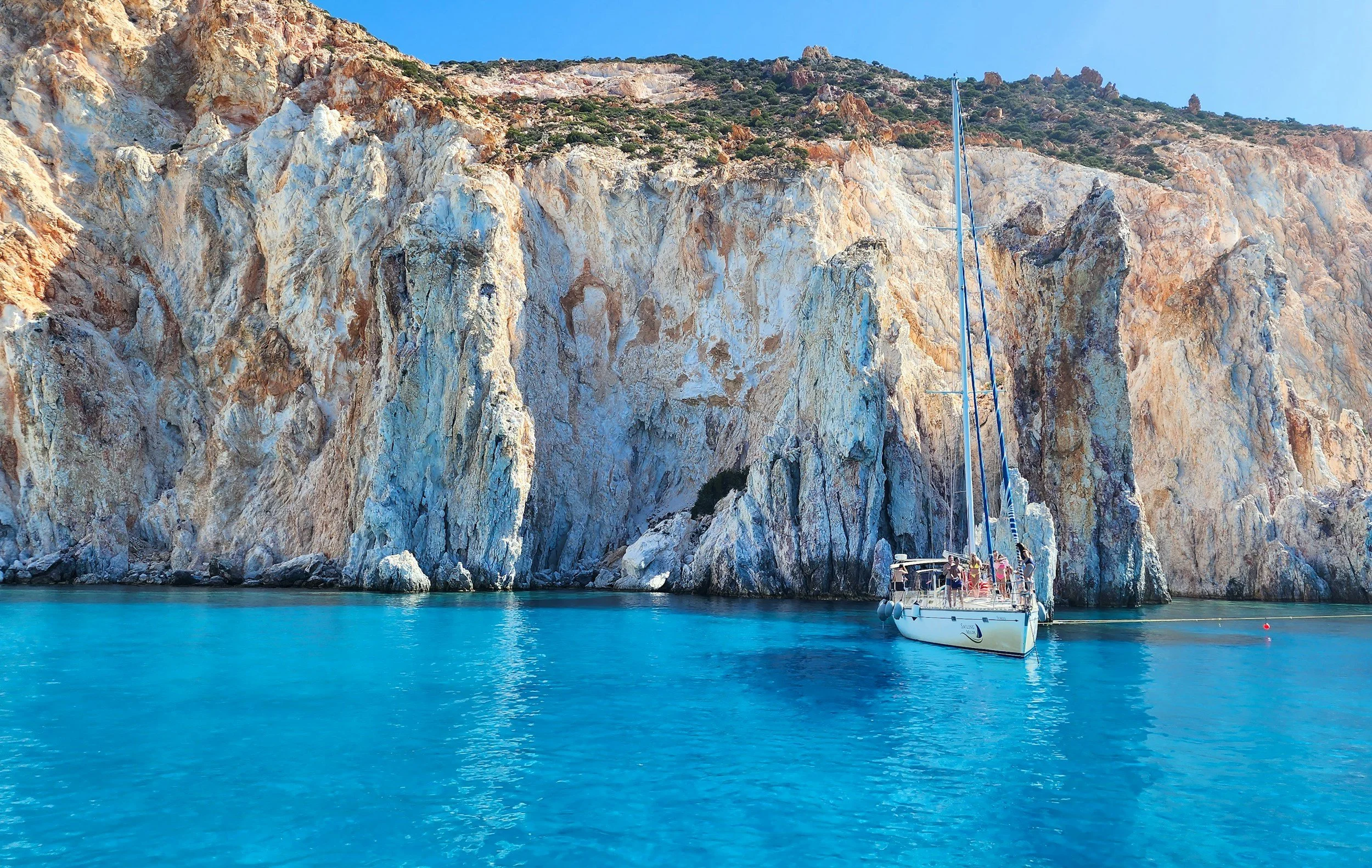
Then head to the islands. Greek island life lends itself naturally to a multigenerational holiday. Children are welcome at the table and free to wander off and back, dipping in and out of the sea, while the adults graze on mezze. A private boat opens up smaller coves and beaches that are difficult to reach by road, while a local guide can bring some context to the ancient sites, villages and delicious food traditions along the way.
Accommodation deserves equal thought. A large villa works beautifully when everyone enjoys spending time together, but it is worth considering how much privacy grandparents might appreciate, particularly with young children in the party. Hotels with larger suites or interconnected accommodation can offer a useful middle ground. Kalesma on Mykonos has private-pool suites and villas; Vedema on Santorini offers a collection of spacious suites and villas in a traditional village setting. On Crete, Cayo is another possibility to explore. The right choice will depend as much on the family dynamic as the island itself, and we'll find the right fit for each family.
South Africa: Cape Town and the bush
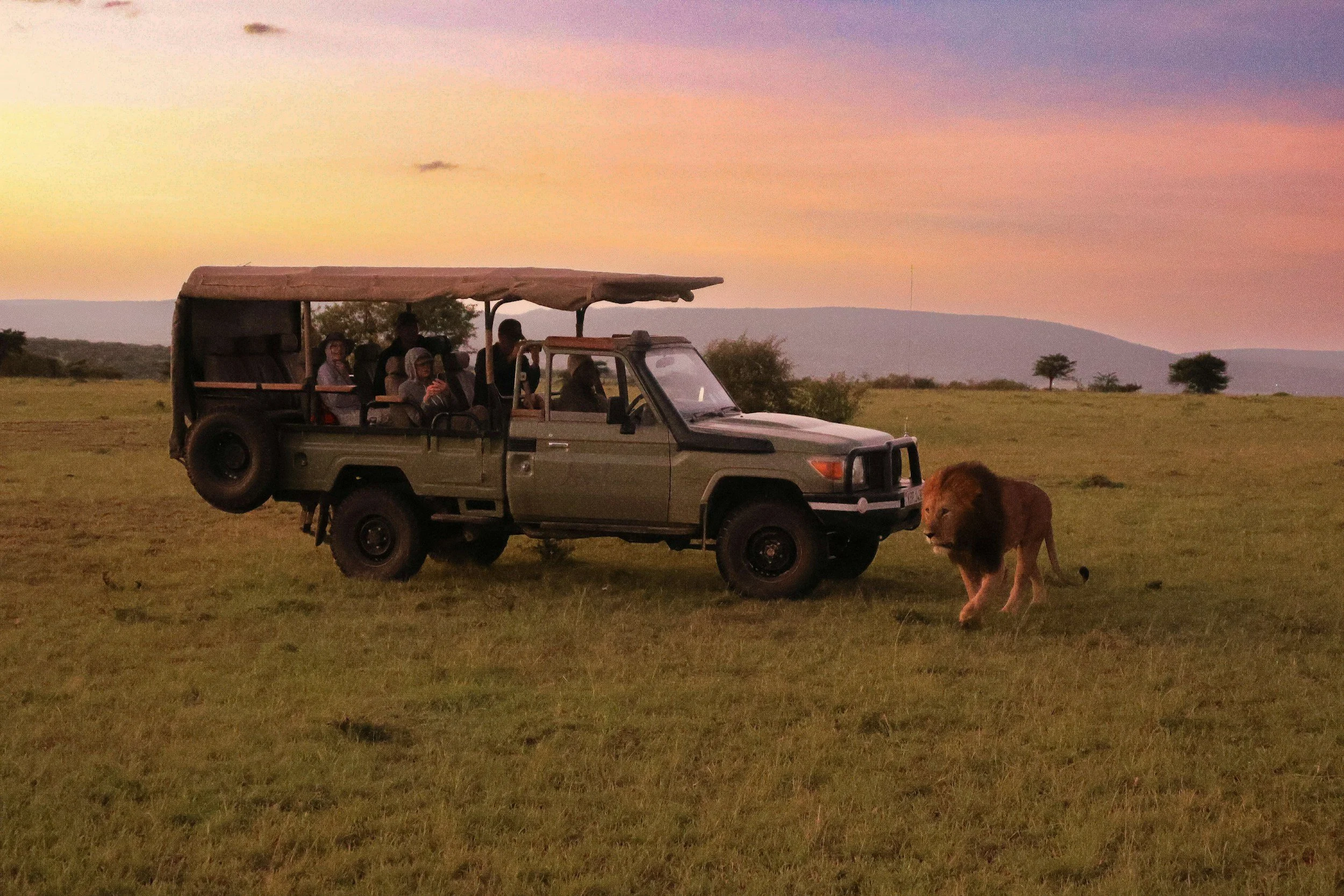
For families prepared to travel a little further, South Africa offers an extraordinary combination of city, countryside and wildlife. The chance to experience a safari together, particularly when the children are old enough to appreciate it, can be a highlight for the whole family. Pair Cape Town with a malaria-free reserve, which matters for young children and older travellers alike. Madikwe, near the Botswana border, is home to the Big Five and welcomes young explorers from the age of six. Samara, in the Great Karoo of the Eastern Cape, offers a rather different experience and a compelling rewilding story.
Cape Town makes a natural starting point, with Table Mountain, the waterfront, excellent restaurants and the Cape Peninsula to explore. If time allows, add a few days in the Winelands or along the coast. Babylonstoren and Spier both welcome families, with gardens, farm life and space for children to roam. Grootbos, above Walker Bay, adds fynbos walks. From June to November, southern right whales come into the waters of the bay to calve, often remarkably close to shore.
The seasons are worth considering, too. A northern summer holiday falls in South Africa's winter, which is the dry season in the bush. The vegetation is thinner and animals gather at waterholes, so sightings are clearer. Cape Town's rain also falls mainly in winter, so expect crisp mornings and the odd grey day. Christmas and Easter bring the Cape at its warmest and driest.
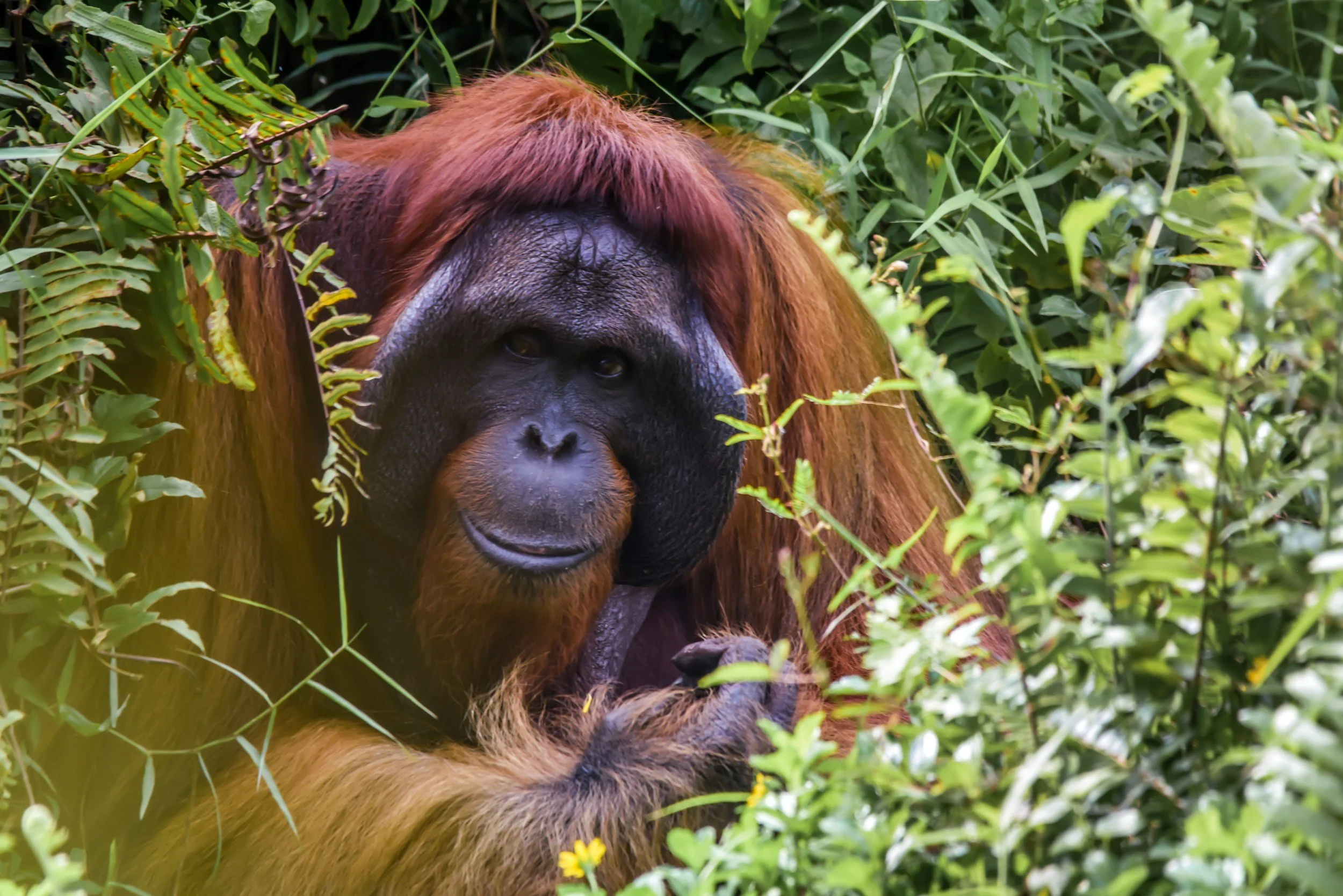
Borneo: safari by river
Borneo offers a very different sort of wildlife experience. Rather than setting out in a vehicle at dawn, much of the exploration here takes place by boat, following the rivers through the rainforest.
On the Kinabatangan, Sabah's longest river, small boats travel out in the early morning and late afternoon to look for wildlife along the banks. Proboscis monkeys, found only on Borneo, gather in the riverside trees, their distinctive noses making them surprisingly easy to identify. Orangutans are more elusive, but look carefully into the canopy and there may be a glimpse of one moving between the branches or building a sleeping nest for the night. There is also the possibility of spotting Bornean pygmy elephants coming down to the river. Genetically distinct from their mainland relatives, they have been isolated from other Asian elephant populations for around 300,000 years.
The experience changes considerably when moving inland to Danum Valley, one of Sabah's most important areas of protected primary rainforest. Here, the focus is less on spotting individual animals and more on understanding the forest itself. Canopy walks, guided night walks and the sound of gibbons calling through the trees in the early morning all add to the experience. A few nights in the forest allow time to appreciate its scale and the extraordinary variety of life within it.
After the rainforest, a few days by the sea make a welcome contrast. Gaya Island, just off the coast of Kota Kinabalu, offers a chance to combine tropical beaches with rainforest surroundings, making it a natural addition to a Sabah itinerary.
Sabah lies just south of the typhoon belt, which earned it the old name “the Land Below the Wind”. May to October is a fine time to go, which fits the summer holidays neatly. Every family's route here is different, so do get in touch and we'll plan a journey around the people travelling.
Where to begin
The best multigenerational journeys start with a conversation about the people travelling, rather than the destination. The ages of the children, how independently the grandparents like to explore, whether everyone wants to spend every day together and how much travelling the family is happy to do From there, we can find the right destination, accommodation and balance of experiences. Let’s talk.