
The World’s Best Gardens
Fifteen places where beauty, history and horticulture combine to create peaceful, special spaces.
Published 19th May, 2026
The greatest gardens in the world were never just about the planting. Some were built to demonstrate the reach of an empire. Others were planted by artists as an extension of their creative practice. Some have been tended according to the same principles for a thousand years. And a few grew directly from the wilderness around them, shaped by the landscape rather than imposed upon it.
These fifteen gardens span four continents and several centuries, grouped not by geography but by intent. What connects them is simple — they slow you down, and remind you that some of the most deliberate work human beings have ever produced is not hanging in a museum but growing in the soil.
GARDENS OF POWER
The great gardens of Europe were not always created for pleasure. Many were built as declarations, as proof that a family could bend nature itself to its will. Walking through them today, the ambition is still palpable in every clipped hedge and diverted waterway. These are gardens that were meant to impress, and centuries later, they still do.
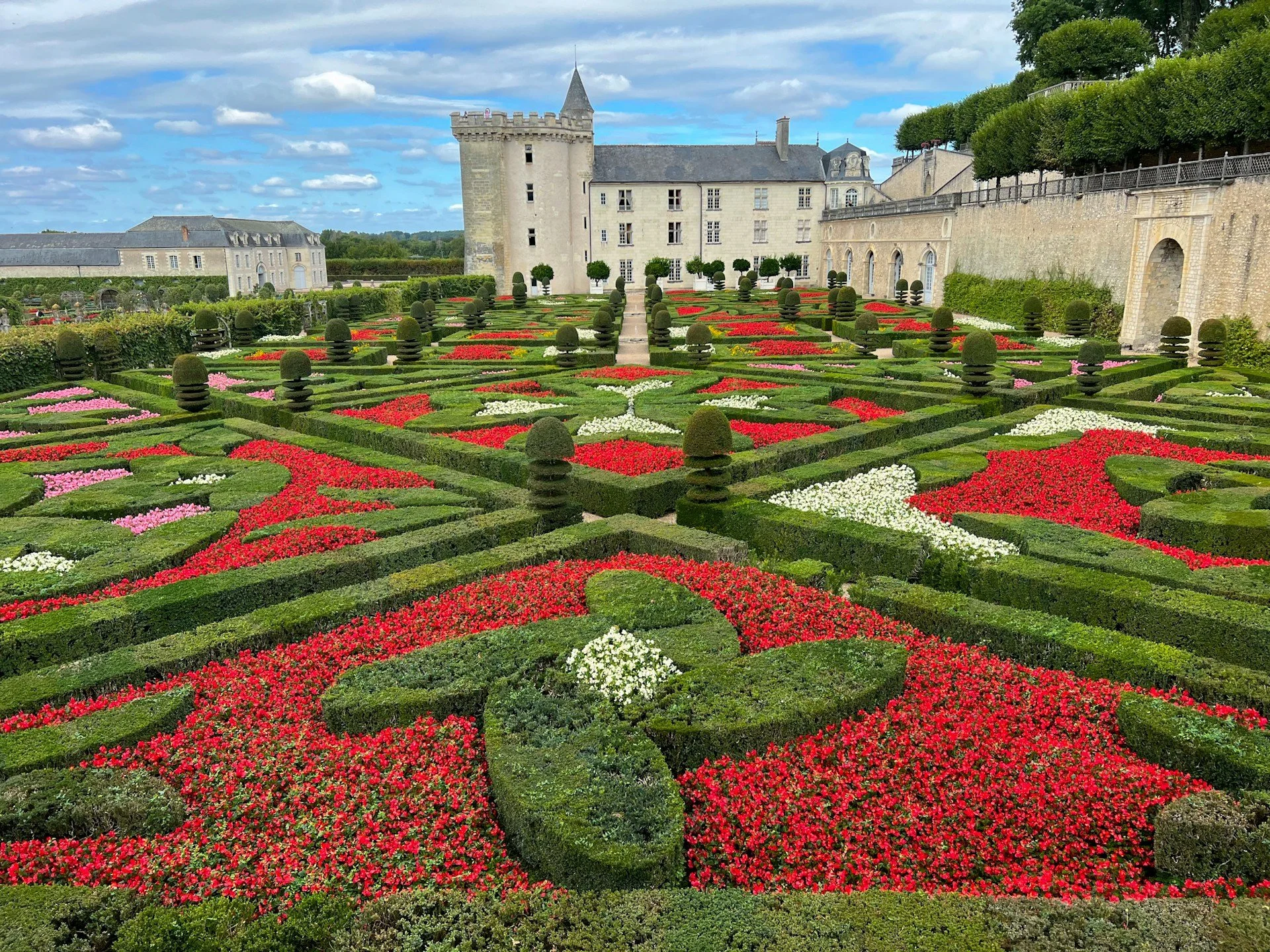
Château de Villandry, Loire Valley
The most architectural garden in France, arranged across three terraces above the Cher river. Below, a kitchen garden of geometric vegetable beds planted in colour-blocked patterns is as beautiful as any flower garden in Europe. Above, ornamental parterres and a water garden complete a composition of extraordinary formal rigour.
Look down from the upper terraces and it reads almost as a piece of land art. Completed in the early twentieth century by Joachim Carvallo, it remains in the same family today, and is just as impressive.
Include Château de Villandry in a wider trip around the Loire Valley, visit Château de Chambord, a boat trip or kayaking on the Loire River, wine tasting and a hot air balloon at sunrise. Contact Wild Herz Travel to start planning.
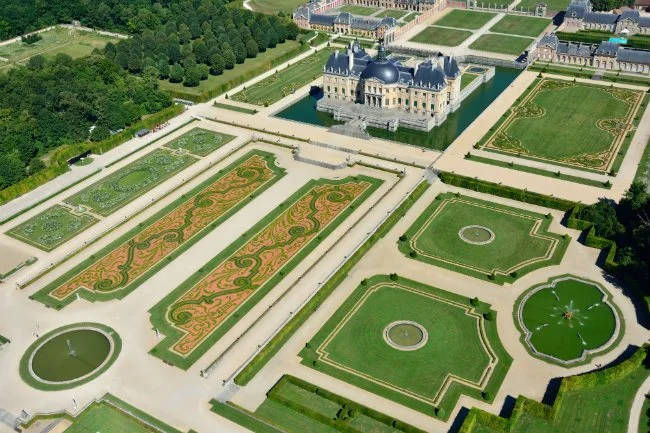
Vaux-le-Vicomte, Maincy
The garden that started a revolution in French design and ended its owner's freedom. In 1661, finance minister Nicolas Fouquet commissioned Andre Le Notre to create the grounds of his new chateau south of Paris. The result was so magnificent that Louis XIV, humiliated by the comparison with his own palaces, had Fouquet arrested within weeks and imprisoned for the rest of his life. Le Notre was promptly hired to build Versailles.
What remains at Vaux-le-Vicomte is the original and, many would argue, the better composition: parterres, canals, fountains and clipped hedging arranged with a precision and sense of proportion that Versailles, in its vastness, sometimes loses. On summer evenings the entire garden is lit by thousands of candles, which is as close to a perfect garden experience as France offers.
Speak to us about including Château de Villandry as a day trip from Paris, or if travelling to explore the Burgundy wine region - as a stop en-route.
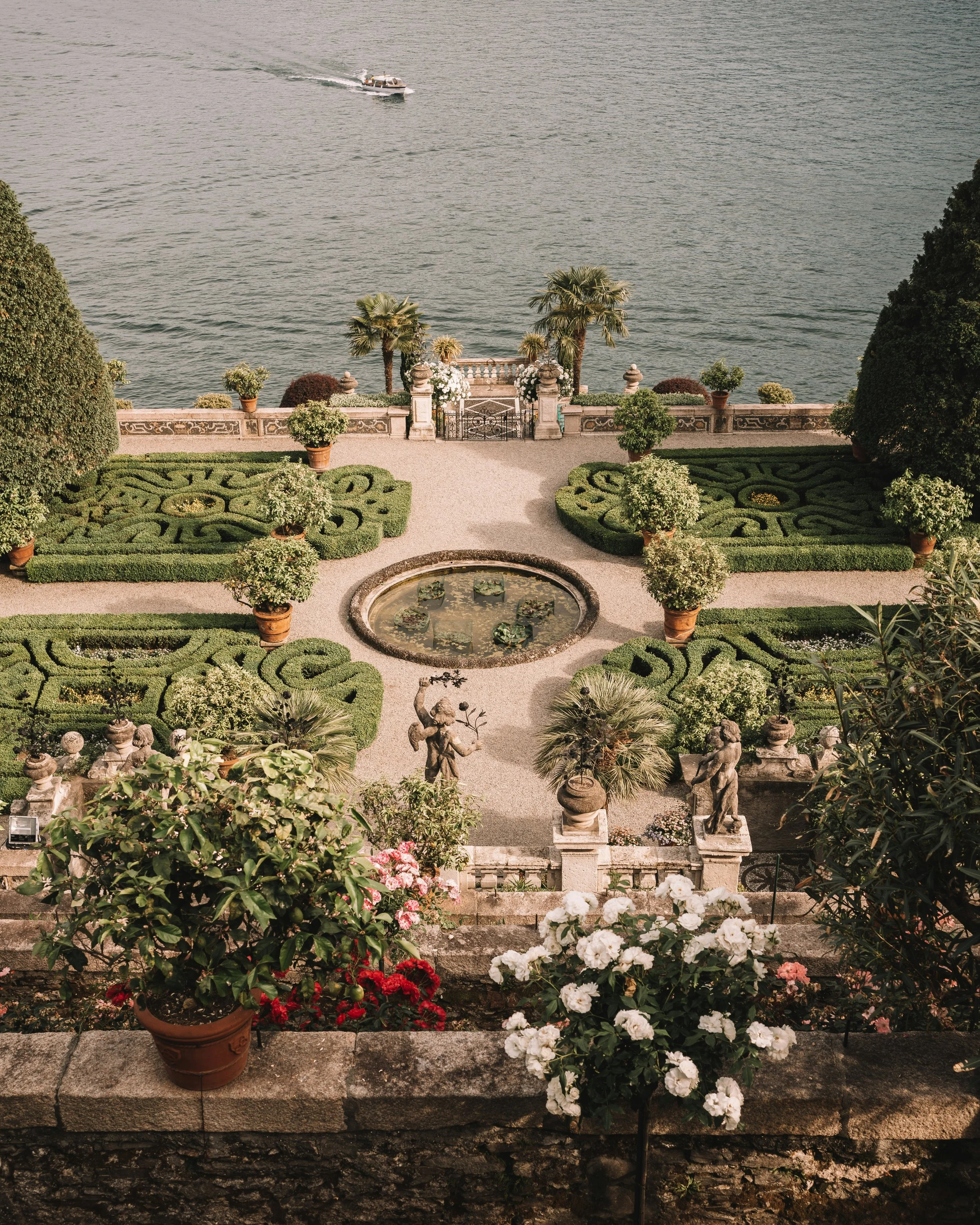
Isola Bella, Lake Maggiore
In the seventeenth century, the Borromeo family took a rocky island in Lake Maggiore and built upon it a baroque fantasy: ten terraces of garden rising from the water, crowned with statues, grottos and an amphitheatre facing the Alps.
The effect is theatrical to the point of excess, and entirely magnificent. Peacocks wander the upper terraces. White camellias bloom in spring against a backdrop of mountain and lake. It is one of the most unabashedly dramatic landscapes in Italy, which, given the competition, is saying something.
Visit Lake Maggiore instead of Lake Como on your Italy itinerary, or weave into a longer journey into Switzerland. Contact us to talk through ideas.
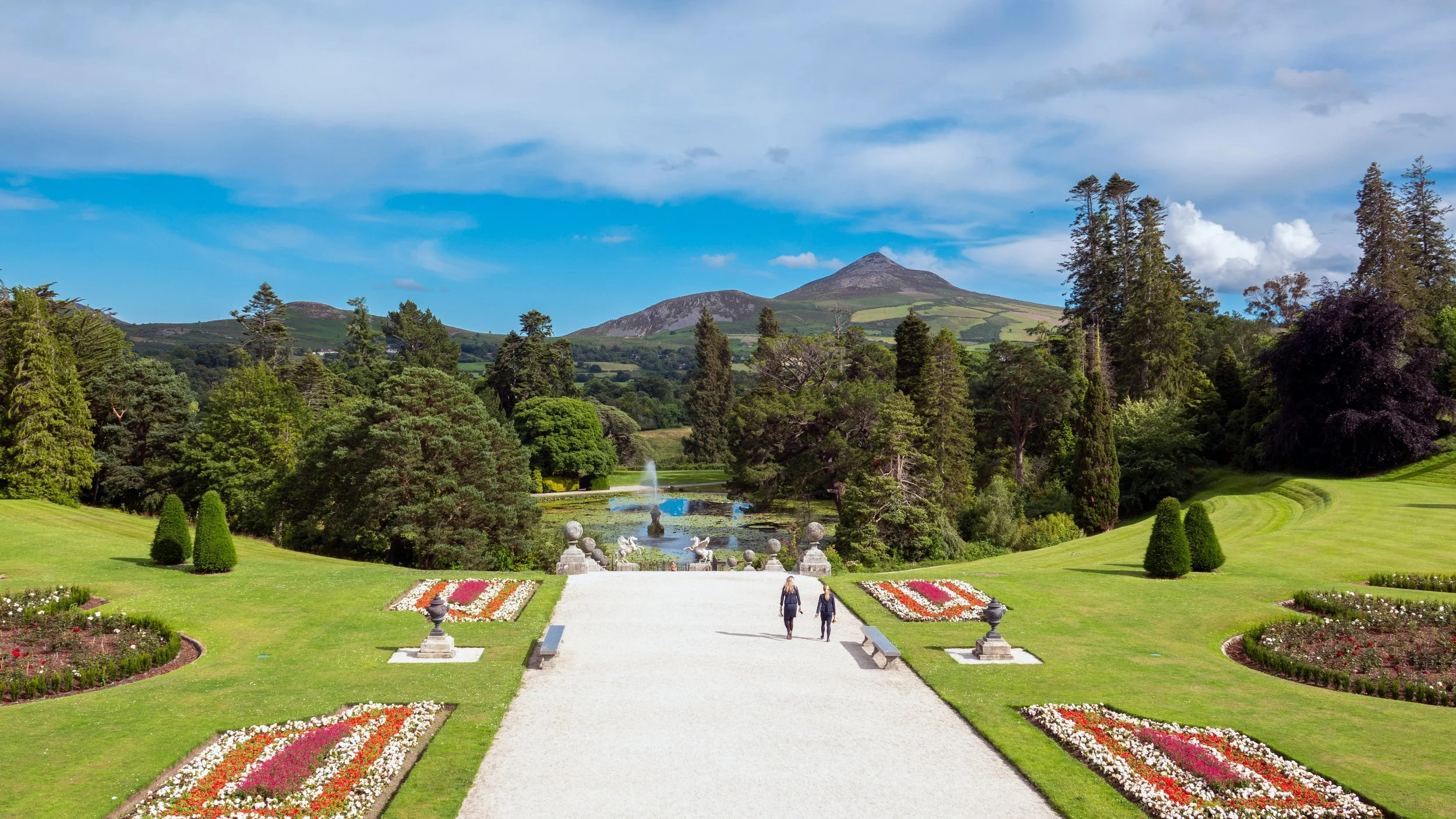
Powerscourt House & Gardens, County Wicklow
Set against the foothills of the Wicklow Mountains with the Great Sugarloaf peak framing the horizon, Powerscourt may have the finest garden setting in Europe. The formal terraces, Japanese garden and walled sections were laid out across the eighteenth and nineteenth centuries in a composition of unusual ambition. The triton fountain at the centre of the main terrace is one of the great garden set pieces on the continent. After a devastating fire in 1974 and decades of careful restoration, the estate is magnificent once more.
Contact Wild Herz Travel to explore Powerscourt House & Gardens as a day trip from Dublin, or to break the journey travelling south to Kilkenny or Cork.
GARDENS OF THE CREATIVE MIND
The most personal gardens in the world tend to be made by people who see things differently. Painters, poets, writers who found in a plot of ground the perfect medium for their imagination. These are gardens that began as private obsessions and became, over time, places of pilgrimage. Walking through them, you are in some way, walking through another person's inner world.
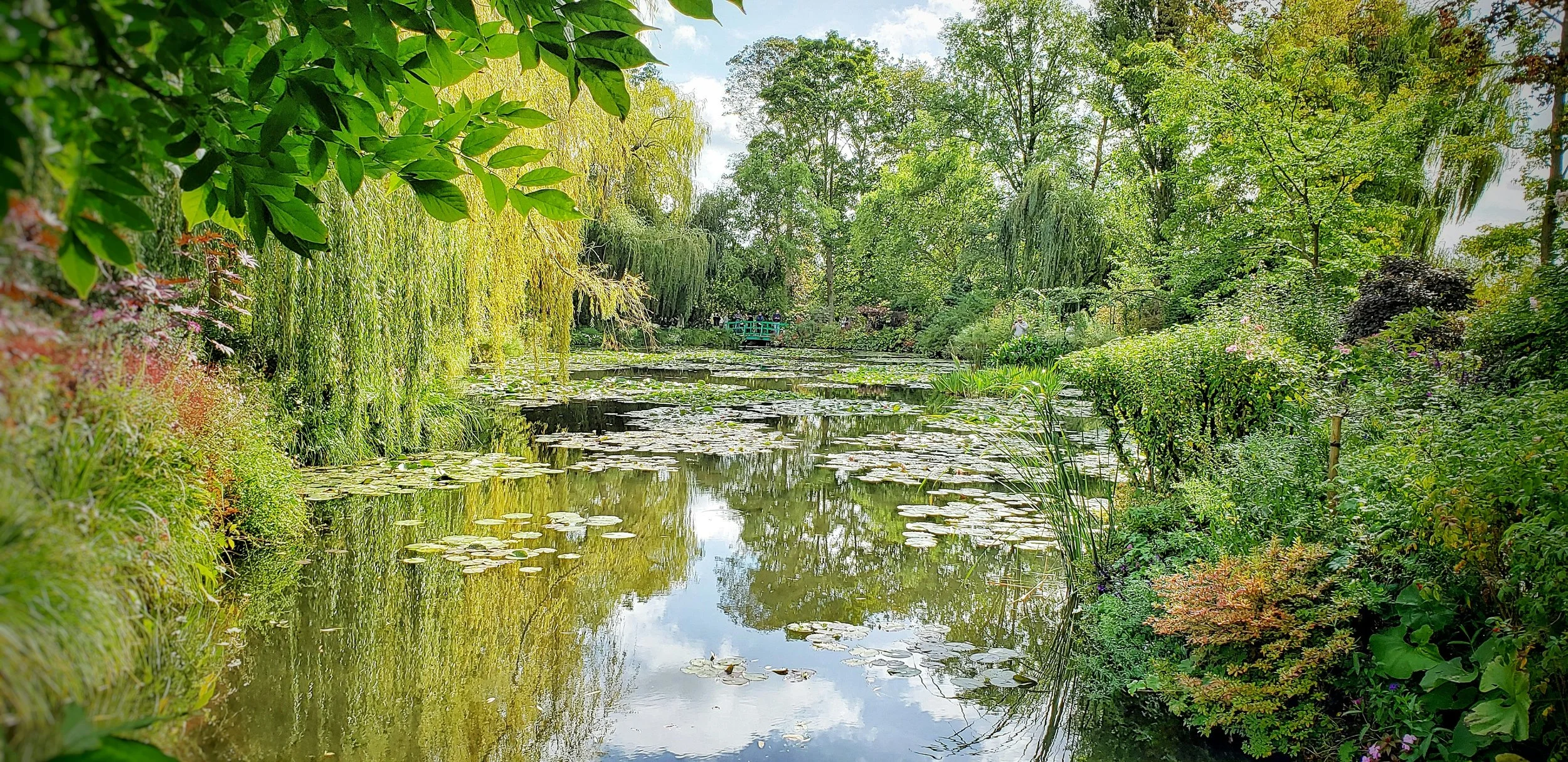
Claude Monet’s Garden, Giverny
Claude Monet moved to Giverny in 1883 and spent the rest of his life making a garden, then painting it. The water garden, with its Japanese bridge draped in wisteria and the famous lily pond below weeping willows, is so familiar from the canvases that arriving here feels like stepping inside a painting. The flower garden was designed entirely with an artist's eye: not for botanical interest but for light, tone and the way colours work against one another. One of the most visited gardens in France, for good reason.
Speak to us about exploring Monet’s Garden as part of the journey to Normandy from Paris, as part of a wider private journey in France.
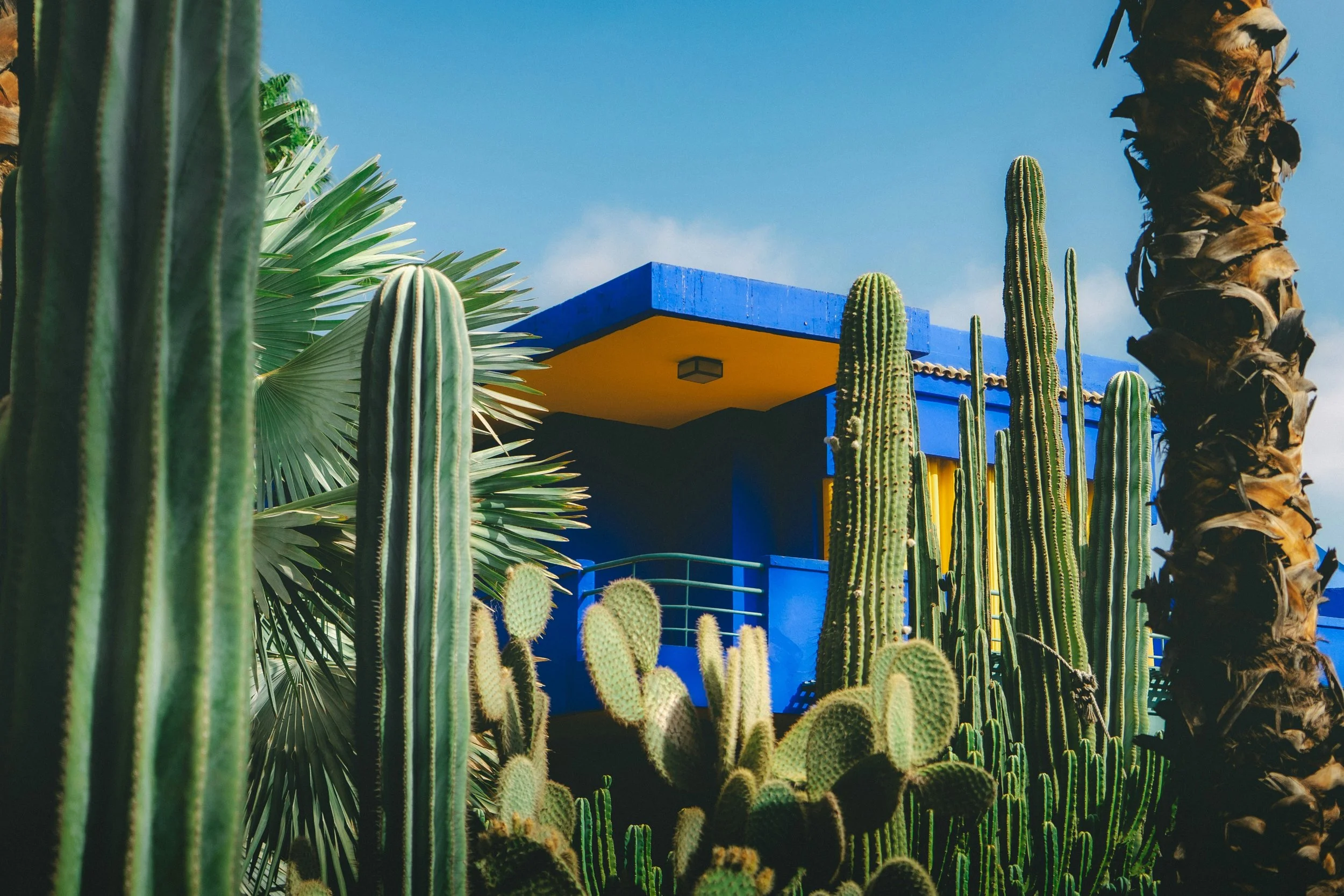
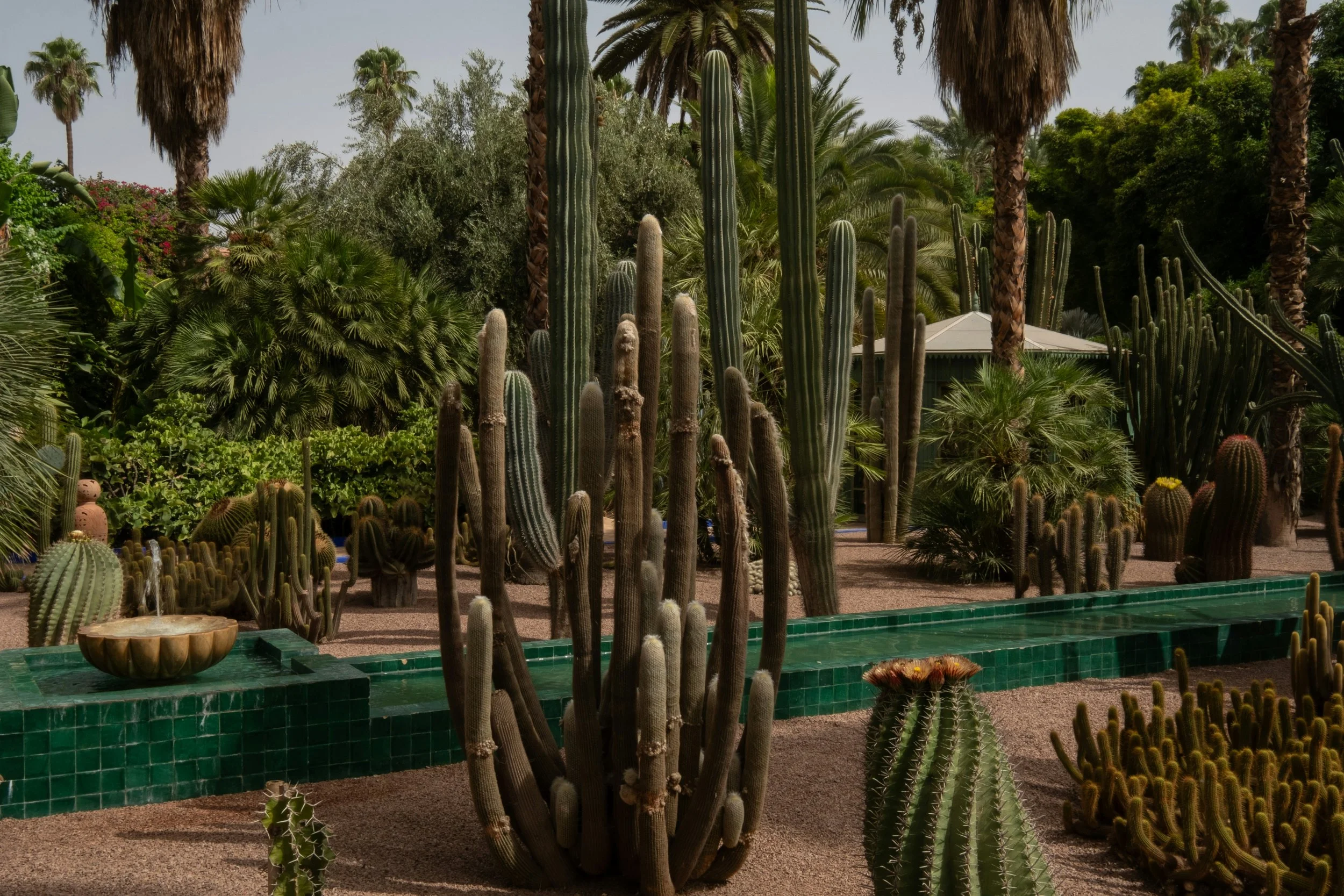
Jardin Majorelle, Marrakech,
A vibrant colourful garden created in the 1920s by French painter Jacques Majorelle, who spent decades assembling exotic plantings around a studio painted in the electric cobalt blue that now bears his name. Acquired by Yves Saint Laurent and Pierre Berge in 1980 and lovingly restored, it carries the weight of two creative legacies. Bamboo, cacti and bougainvillea surround pools and fountains within a walled garden of surprising stillness, given the intensity of Marrakech just beyond the gates. Best visited at opening, before the heat and the crowds arrive.
Visit Jardin Majorelle whilst in Marrakech. Wild Herz Travel will include Marrakech as part of a wider journey around Morocco, depending on personal interests and travel style. Start Planning.
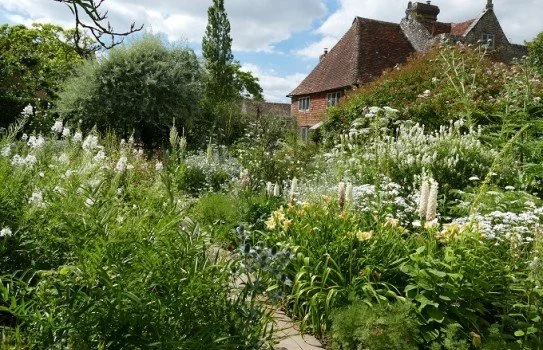
Sissinghurst Castle and Garden, Kent
Vita Sackville-West and Harold Nicolson created Sissinghurst in the 1930s from the ruins of an Elizabethan estate, dividing it into a series of outdoor rooms, each with its own colour palette and mood, connected by hedges and pathways.
The White Garden, planted entirely in shades of silver and white, has become one of the most imitated garden designs in the world. Vita wrote her Observer gardening column from the tower that rises above it all. The view from the top, across the Weald of Kent, is as beautiful as the garden below.
Visit Sissinghurst Gardens alongside the UNESCO protected medieval city of Canterbury, the charming north Kent coastal towns, and taste English wine at nearby vineyards. Wild Herz founder, Kate Herz, grew up here and will be delighted to show you the best of this region. Start planning.
Villa Cimbrone, Ravello
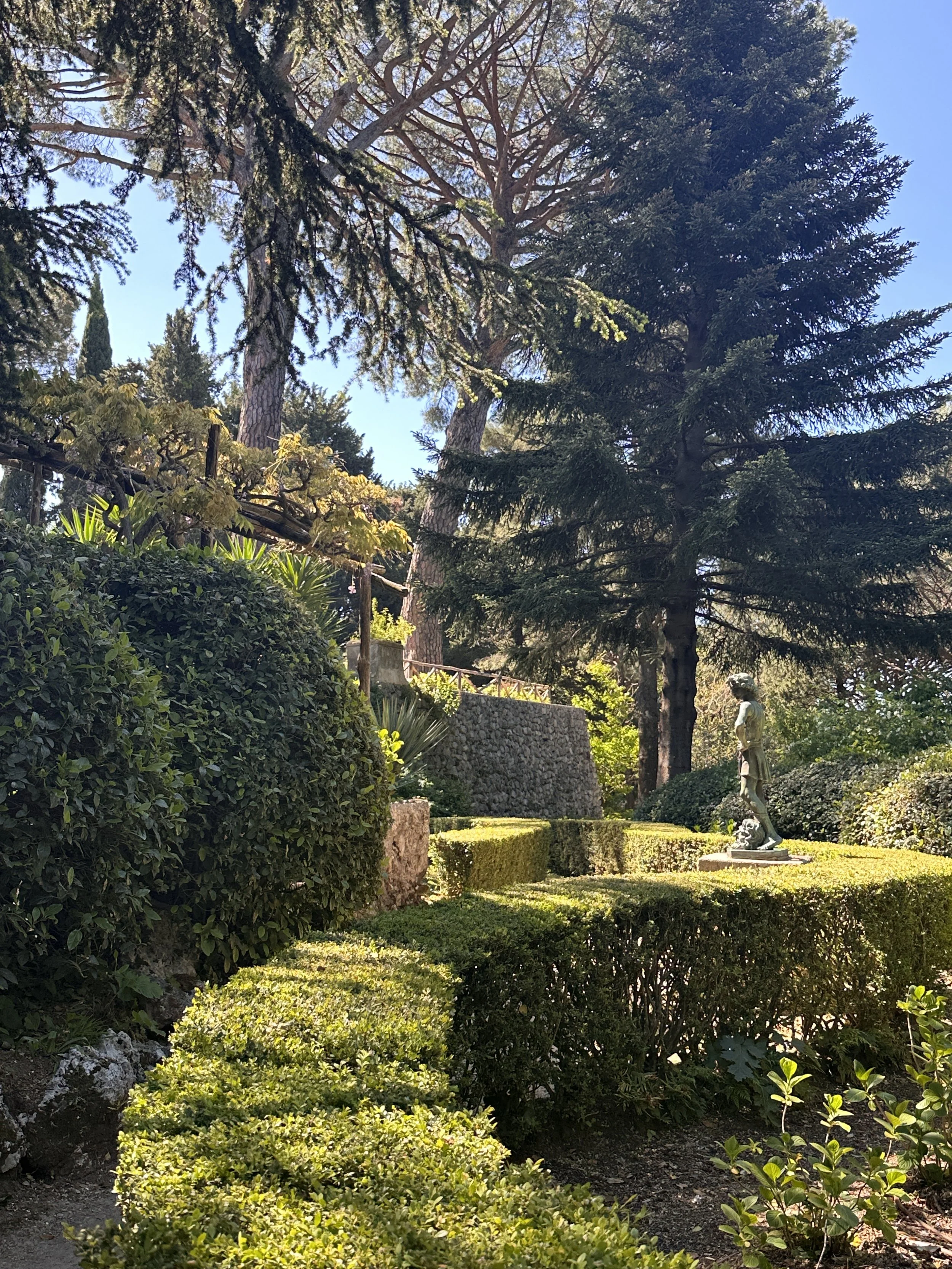
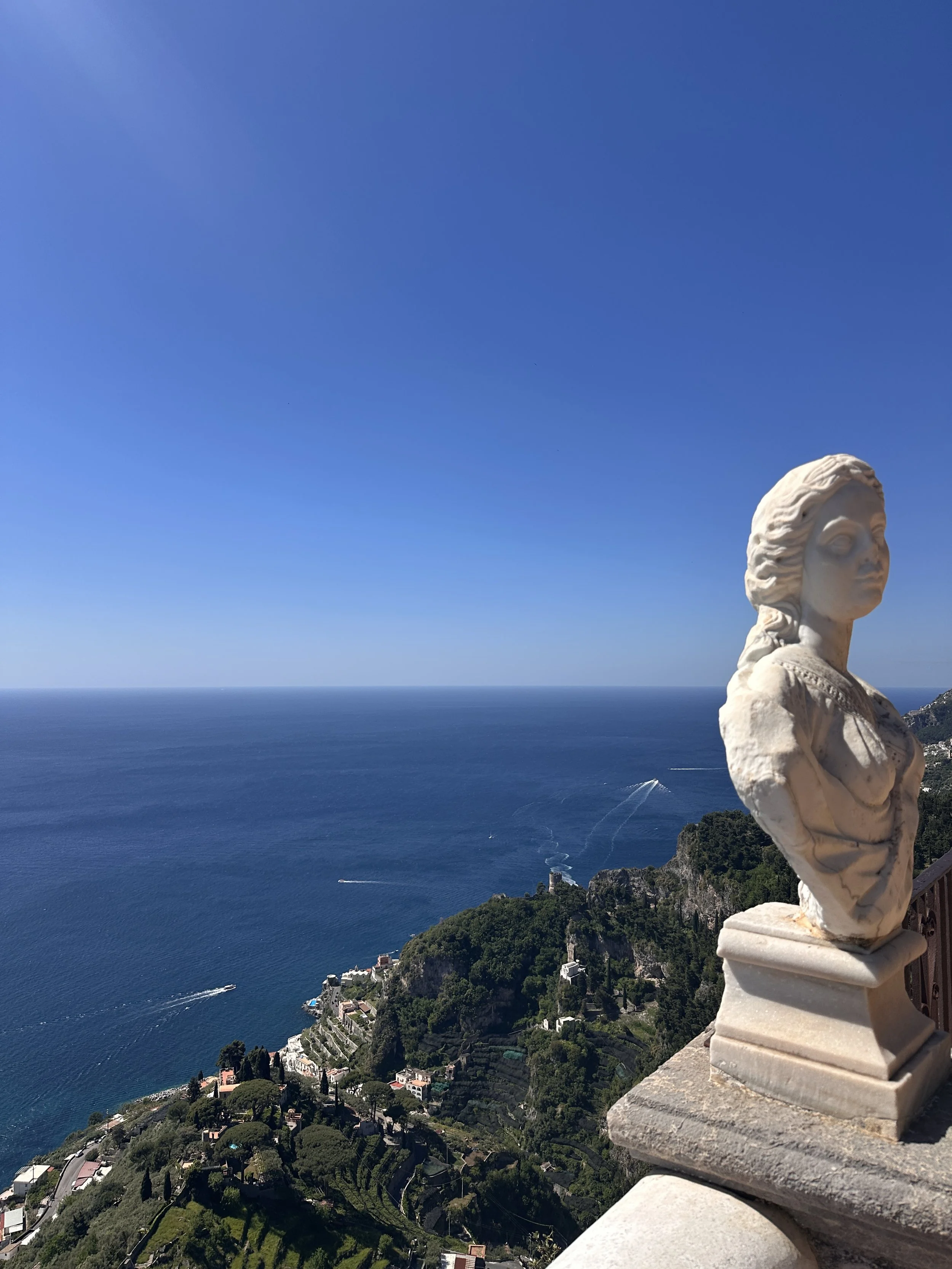
Perched above the Amalfi Coast on the clifftop town of Ravello, Villa Cimbrone was reimagined in the early twentieth century by English aristocrat Lord Grimthorpe as a garden of deliberate romanticism: classical statues, wisteria-draped pergolas, rose gardens and hidden temples scattered through grounds of extravagant beauty. At the garden's end, the Terrace of Infinity stretches over the void above the Tyrrhenian Sea, busts of classical figures gazing towards the horizon. Greta Garbo hid here. Writers and composers have retreated here for a century. The view alone justifies the journey.
Stay in, or explore Ravello, as part of your time on the Amalfi Coast. The Amalfi is an idyllic end to an Italian journey, or a destination in itself. Start planning your trip to Italy.
GARDENS OF ANCIENT TRADITION
Some gardens were not designed so much as inherited, expressions of philosophies and civilisations that understood the garden as something far deeper than ornament. Islamic water gardens, Zen rock compositions, Balinese water palaces: these are places where the act of gardening was inseparable from the act of thinking about what it means to live well. You do not visit them so much as sit with them.
Real Alcazar Gardens, Seville
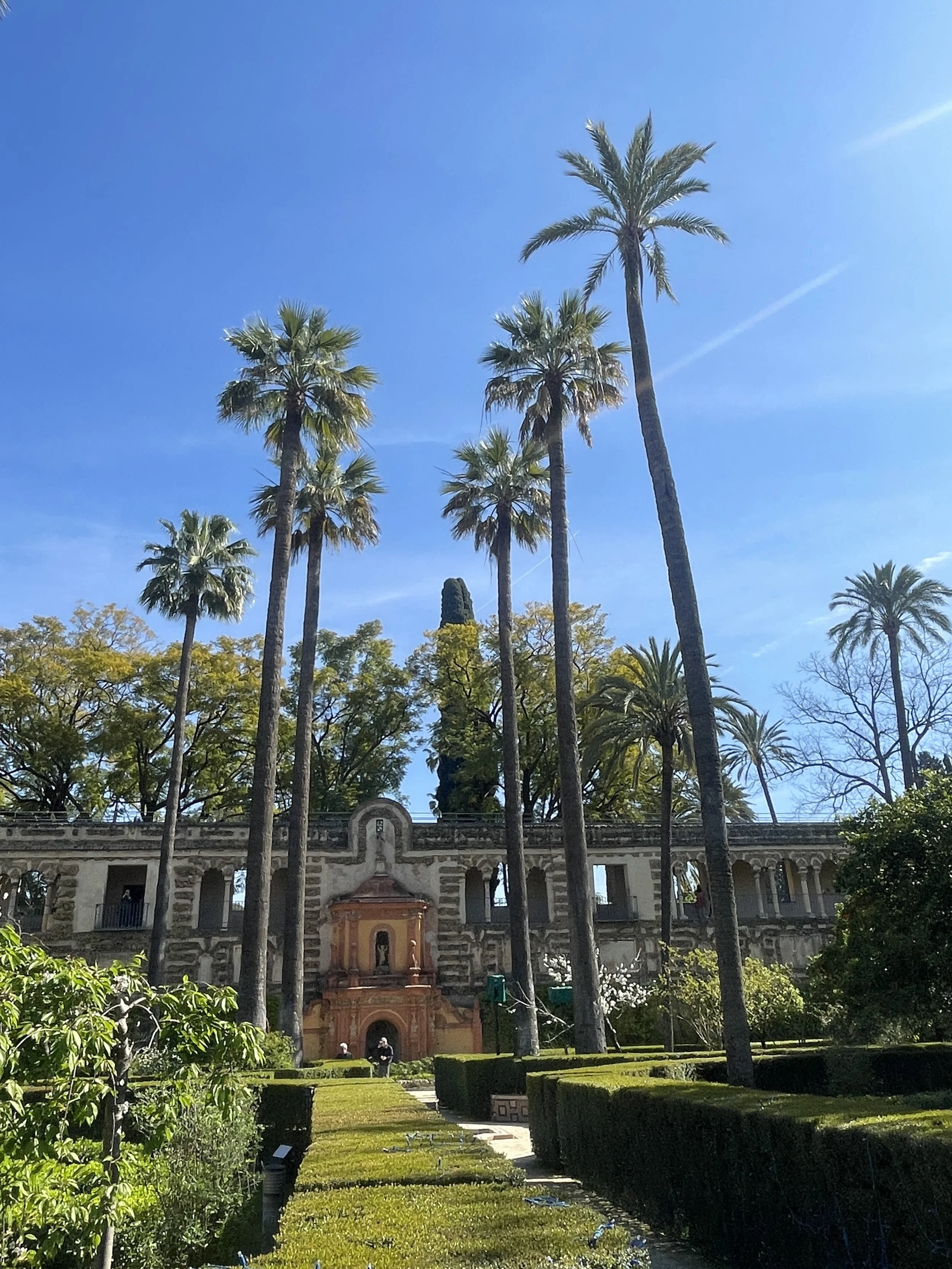
The gardens of the Real Alcazar, a royal palace still in use by the Spanish royal family, are among the finest examples of Moorish garden design in the world. Laid out across a series of enclosed spaces, they move between intimate patios of orange trees and fountains and grander terraces of topiary and pools, all shaped by the Islamic vision of the garden as earthly paradise. The Mercury Pond and the Patio de las Doncellas are the centrepieces, but it is the accumulated effect of water, shade and fragrance that stays with you.
Explore Seville as a wider journey to explore the Moorish history, architecture and magnificent monuments of Andalusia. Contact Wild Herz Travel to start planning.
Alhambra and Generalife Gardens, Granada
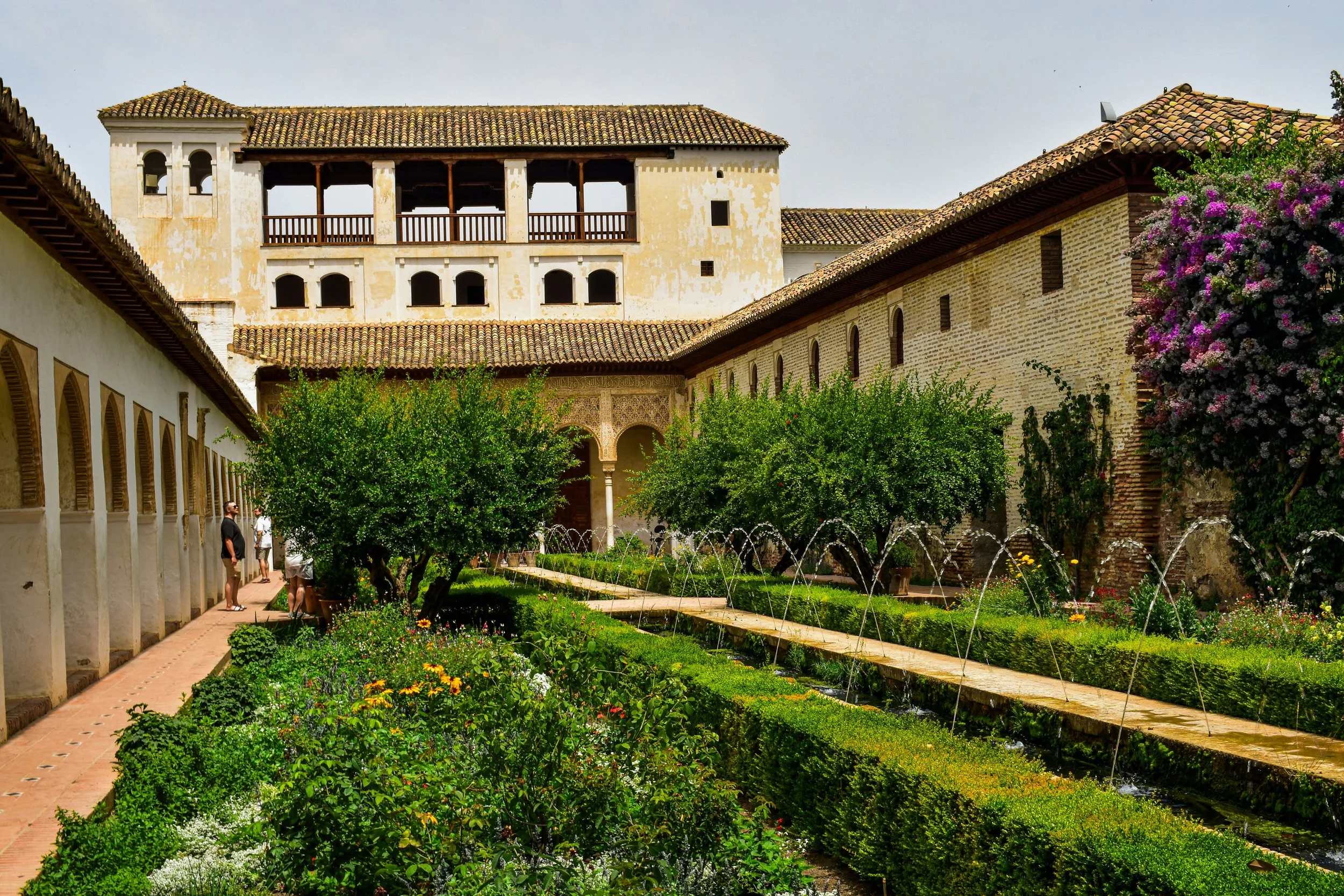
The summer palace and gardens of the Nasrid sultans, set above the Alhambra on the hillside of the Sabika, represent the finest surviving example of a medieval Islamic garden. The Patio de la Acequia, a long reflecting pool flanked by fountains and flowers, is the defining image, though the gardens extend through terraced sections of cypress and rose that feel, in the right light, ancient and barely touched. The Alhambra below, the Sierra Nevada above: the Generalife earns its UNESCO listing on setting alone, quite apart from the extraordinary heritage it carries.
A visit to Granada’s Alhambra pairs perfectly with Seville’s Alcazar. Speak to us about exploring more of Andalusia; Ronda, Cordoba and surrounds.
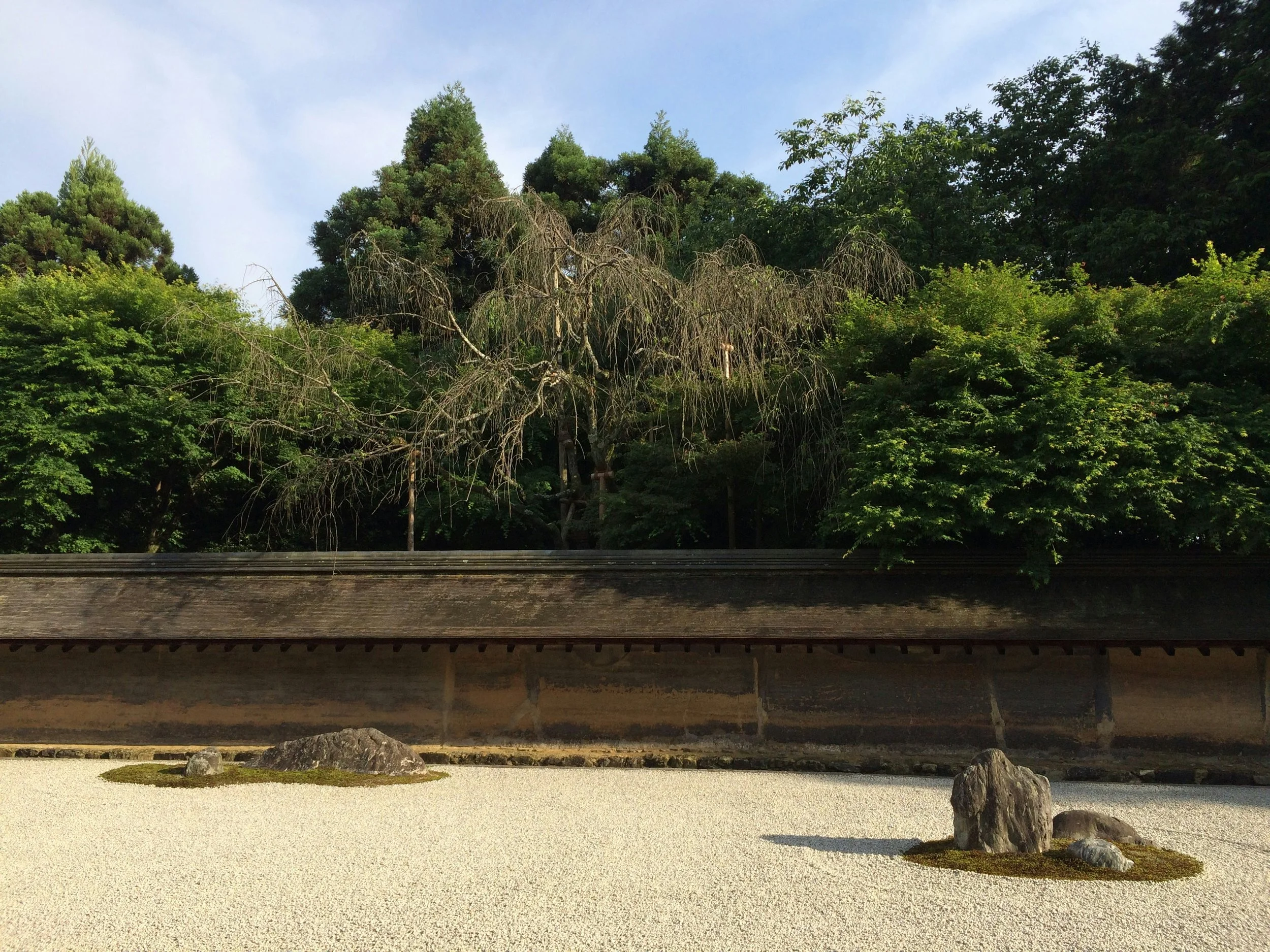
Ryoan-ji, Kyoto
The rock garden at Ryoan-ji is one of the most studied spaces in the history of design. Fifteen stones arranged in raked white gravel, enclosed by an oil-darkened clay wall. From no angle within the garden can all fifteen stones be seen simultaneously. Created in the late fifteenth century, its meaning has never been definitively established, which may be something close to the point. You sit on the wooden viewing platform and let it work on you. In a city of extraordinary gardens, Ryoan-ji remains the most quietly radical.
Kyoto is a must-visit city for every first visit to Japan. Contact Wild Herz Travel to start planning your wider journey, to discuss where else would suit your party.
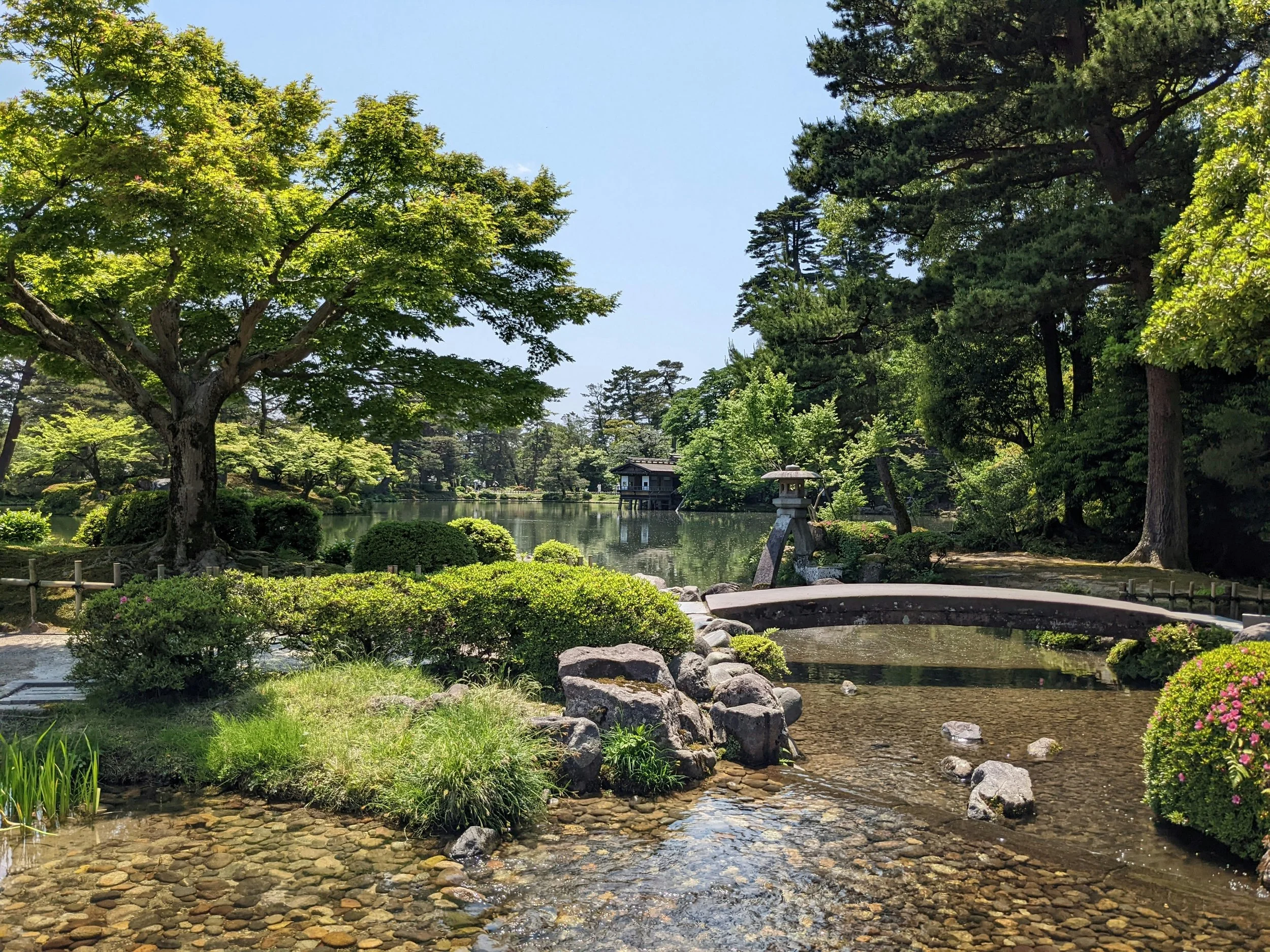
Kenrokuen, Kanazawa
One of Japan's three great landscape gardens, developed over two centuries by the Maeda clan as the outer garden of Kanazawa Castle. Its name translates as the garden of six qualities: spaciousness, seclusion, artifice, antiquity, water and panoramic views. All six are present in extraordinary abundance. Winding paths cross streams and ponds fed by an ingenious network of canals, passing beneath mature pines and through groves of plum and cherry that have been shaped and tended for generations. The Kasumigaike pond, with its two-legged stone lantern reflected in still water, is one of the most photographed scenes in Japan but the garden is large enough, and layered enough, that you will find quieter corners of your own.
Kanazawa is one of Japan's with a beautifully preserved samurai quarter, a working geisha district, and traditional crafts. It sits well between Tokyo and Kyoto. Speak to us to plan your Japanese journey.
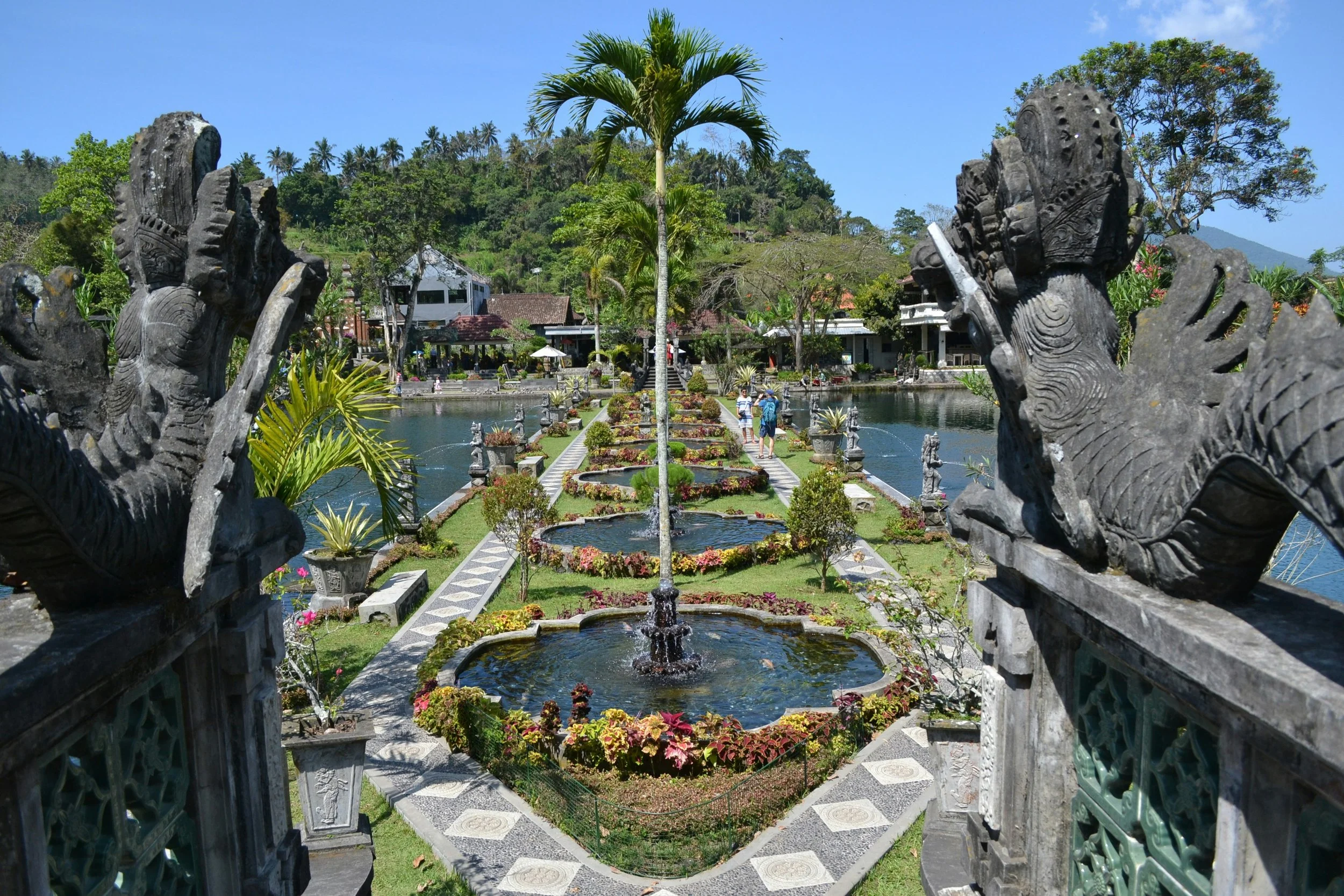
Tirta Gangga, Bali
Built in 1948 by the last Raja of Karangasem as a water palace and place of ritual, Tirta Gangga sits in the lush river valleys of east Bali, with rice terraces rising behind and Gunung Agung, Bali's sacred volcano, visible on a clear morning. Stepping stone paths cross lily-covered pools fed by sacred spring water; stone carvings of nagas and deities guard the fountain spouts. It remains a working place of Hindu ritual.
Visit Tirta Gangga as part of your time in Bali. For inspiration of how to include Bali into a wider itinerary for Indonesia, read our comprehensive island guide.
GARDENS AT THE EDGE OF THE WILD
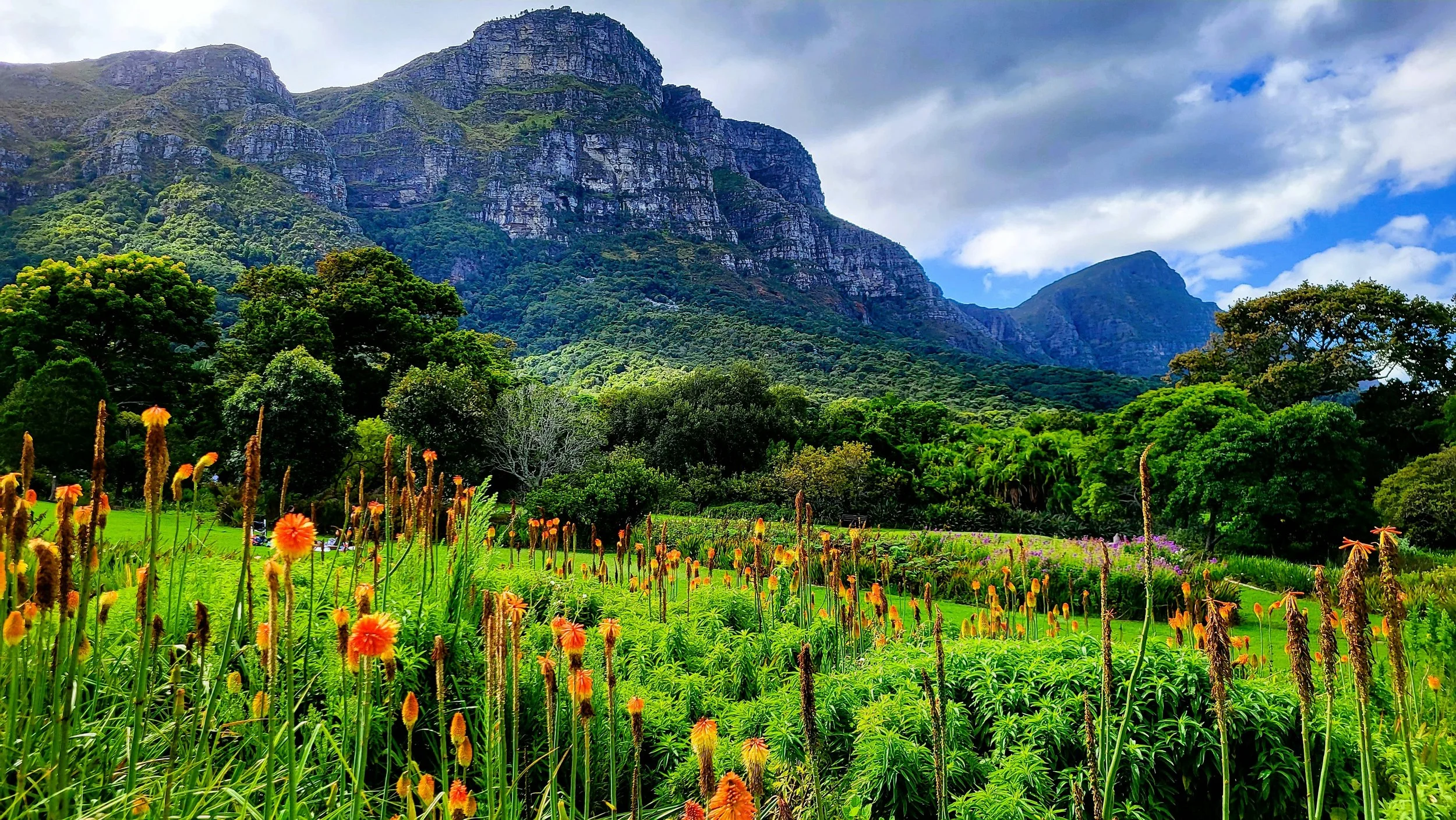
These gardens did not impose themselves on their landscapes. They grew from them. Set against mountain wilderness and terrain of extraordinary biological diversity, they are as much about what lies beyond the boundary as within it. Come here not for formality or artifice, but for the particular pleasure of standing at the edge of something vast.
Kirstenbosch Botanical Gardens, Cape Town
Established in 1913 on the eastern slopes of Table Mountain, Kirstenbosch is dedicated almost entirely to the flora of southern Africa, and in particular to the fynbos, the extraordinarily diverse shrubland unique to the Western Cape. Walking through it in spring bloom, with the mountain's rock face rising behind and the Cape Flats stretching below, is one of the great garden experiences on earth. The Centenary Tree Canopy Walkway, a curving steel and timber bridge through the treetops, offers a perspective unlike any other botanical garden in the world. UNESCO World Heritage listed and without equal on the continent.
Cape Town works as the perfect city within a wider trip including coastline, winelands and safari - or as part of a multi-country itinerary. Contact Wild Herz Travel to start planning.
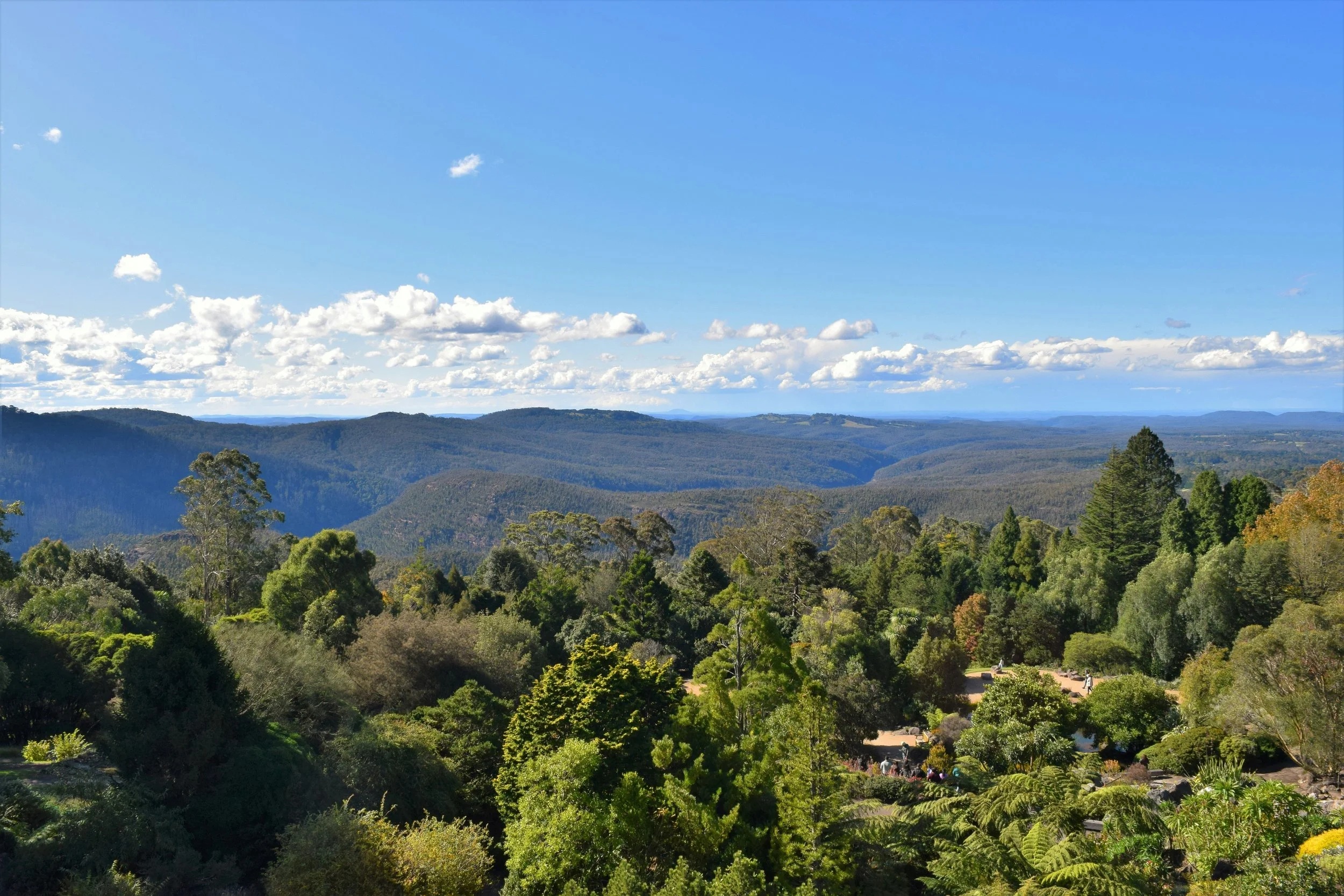
Blue Mountains Botanical Garden Mount Tomah, NSW
Set on a volcanic plateau at 1,000 metres in the Blue Mountains World Heritage Area, Mount Tomah is the cool-climate annexe of the Royal Botanic Garden Sydney, and one of Australia's most beautiful and least-known gardens. The formal sections give way to bushland walks through southern beech and eucalypt, with the Grose Valley, one of the most dramatic wilderness landscapes in New South Wales, visible across the boundary fence. In autumn, the cool-climate trees turn in colours that feel improbable in Australia. A garden that more than justifies the journey from Sydney.
The Blue Mountains is worth a day away from Sydney, the landscape is vast. Talk to us about how to include Sydney and the Blue Mountains into a wider journey around Australia. We know this land well.